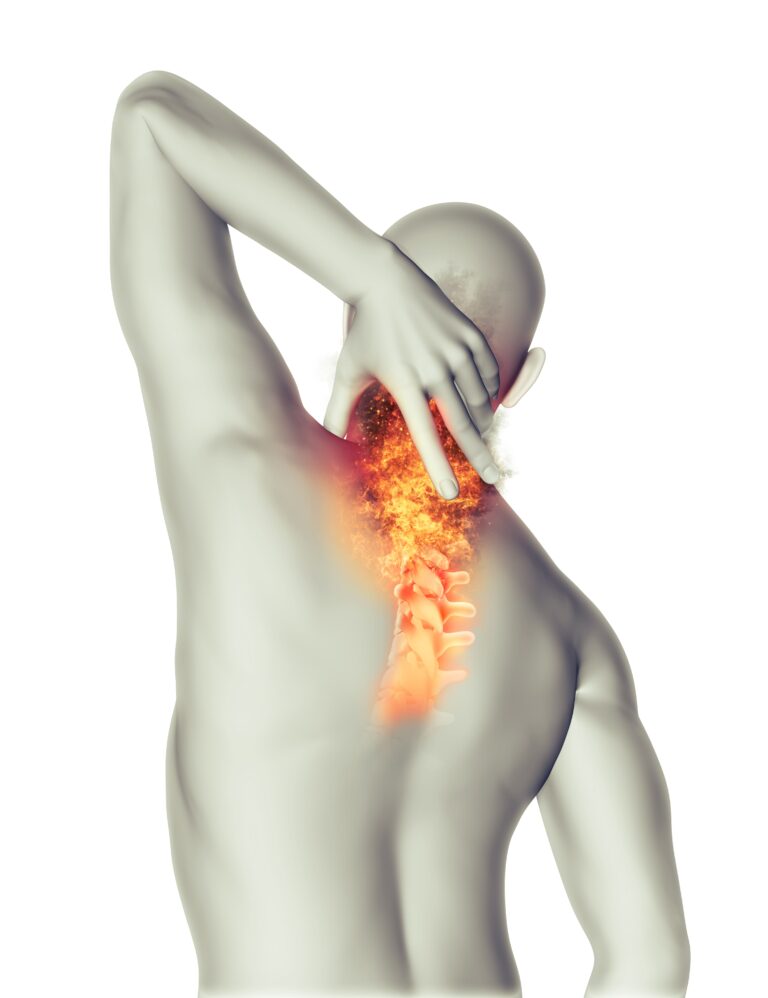

Sadly, orthopedic specialists and pain management physicians can’t always solve certain chronic pain problems, even with a multitude of pain relief options at their fingertips, from safe prescription medication and epidural steroid injections to regenerative treatments like stem cell therapy and platelet-rich plasma treatment.
Fortunately, the groundbreaking option of pain pump treatment is now available to help patients whose chronic pain remains challenging and has multiple causes. These devices are implanted in your body for long periods, and they’re programmed to send medication in certain amounts and at specified times, around the clock.
At Advanced Spine and Pain, our team is concerned, first and foremost, with providing relief to our patients, so if you’re at the end of your rope dealing with chronic pain, you can rest assured that Dr. Randy Davis, Dr. Brian Lee, Dr. Alfred Correa, and Dr. Thomas Raley create treatment plans that bring long-term relief.
Why might I need a pain pump?
If all other treatment measures have been exhausted and you’re still suffering, you may be the ideal pain pump treatment candidate.
There are multiple reasons that a pain pump might be the best solution for you, especially if you face:
- Botched back surgery
- Problems associated with nerve damage
- Diseases of the nervous system, such as Parkinson’s disease and multiple sclerosis
- Cancer-related pain
The unique feature about pain pumps is that they must be tested before they’re considered a feasible treatment option. Fortunately for you, we specialize in pain pump treatment and management and have helped many patients finally get relief.
How does pain pump treatment work?
Pain pumps are a rarity in the standard treatment menus of many medical practices, so we’re proud to offer this option. Pain pump treatment is technically known as intrathecal drug delivery implantation, and it enables pain-relieving medications to be sent directly to your cerebrospinal fluid, which happens to be filled with an abundance of pain receptors.
Pain pump treatment is a two-part process
The key to pain pump treatment is that we must determine exactly the right location to deliver the treatment, and this requires that you have a trial period with your pump.
During this time, we test your ability to tolerate pain pump treatment, determine your dosage needs, and see if the method truly reduces your pain. To prepare, you must lower your intake of any other medication you take by at least half, but you’re not alone. Your Advanced Spine and Pain provider guides you through all of this.
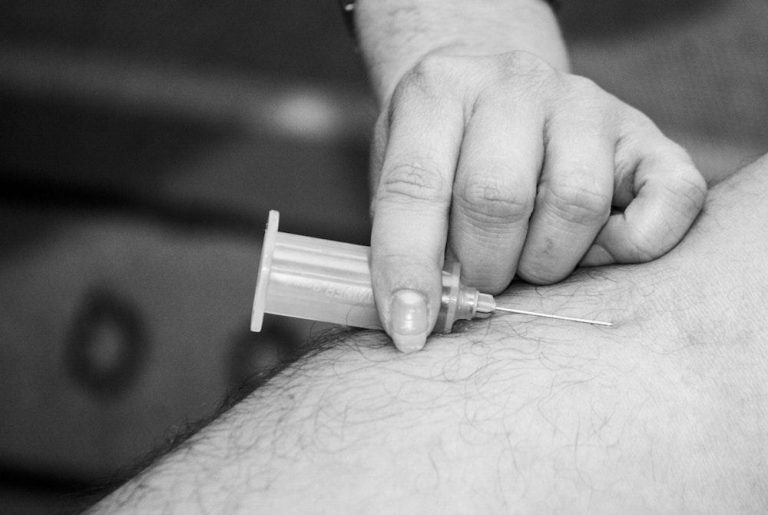
The trial procedure itself involves the insertion of a catheter in your spinal fluid via a small needle, and often an X-ray image of your treatment site is used to make certain that placement is correct. Then we deliver a small dose of pain medication into your intrathecal area and the fluid within it. The procedure itself is brief and takes only about half-an-hour.
During your trial, you wear the other end of the catheter and the pump itself outside your body, while you get small medication doses at planned times over several days. This trial period is critical because it supplies us with the data we need to place your pump permanently.
If your trial goes well, the next step is the long-term implantation, which is an outpatient procedure. During this minimally invasive surgery, our surgeon implants the pump in your abdomen and connects it to the catheter.
The miraculous nature of pain pump treatment
Hands down, the most life-changing aspect of pain pump treatment is the immediate relief patients experience, after seemingly unrelenting periods of severe pain. Another benefit pain pumps offer is that you end up using significantly less medication compared to your pre-pump days.
This new freedom from discomfort makes it easier to move, so you can now enjoy activities that you may not have been able to engage in for a very long time.
Call the Advanced Pain and Spine office nearest you to schedule an appointment or use our convenient online booking tool. You may very well be a candidate for pain pump treatment.
]]>