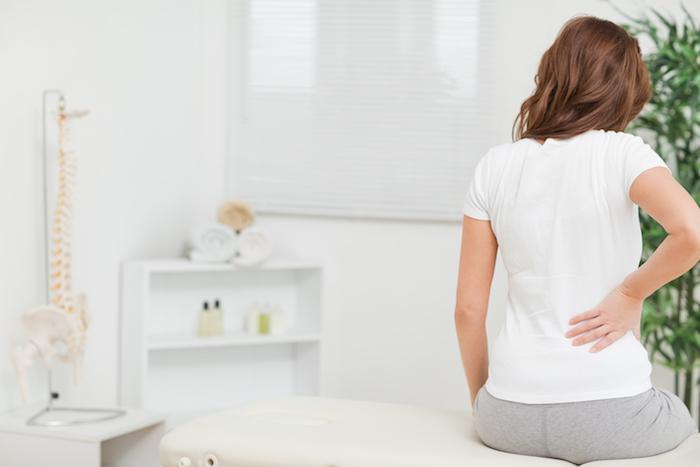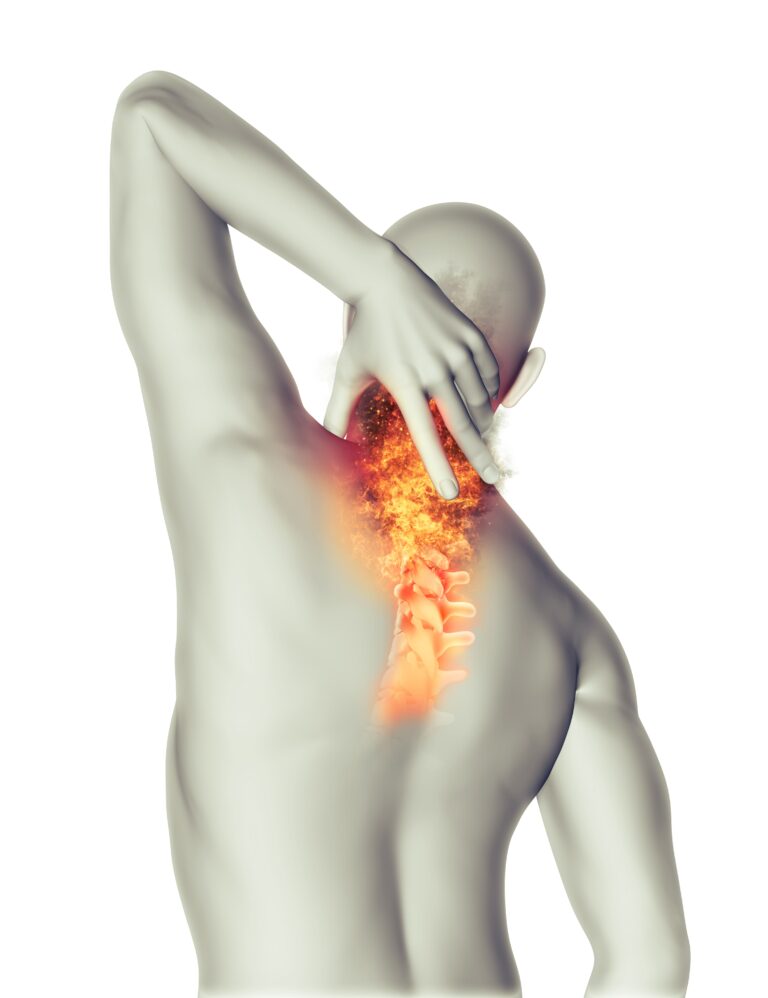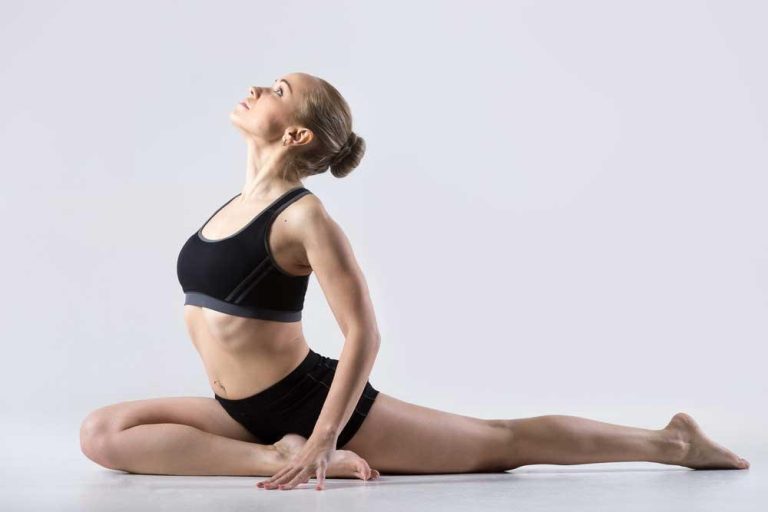

Teachers and parents often bark, “Stand up straight!” because you just look better when you’re not hunched over and slouching. But did you know that your posture also impacts your physical comfort?
Many people work sitting at desks or standing for long periods, and it’s easy to let good posture slide.
Although our caring team at Advanced Spine and Pain treats patients suffering from back, hip, shoulder, and other types of chronic pain, our services also include educating you on how lifestyle practices can prevent or relieve pain and support your overall health.
What is proper posture?
Maintaining good posture doesn’t mean standing or sitting rigidly or uncomfortably. On the contrary, it means working with how your body is designed, so you’re comfortable. Doing better with your posture can make you more comfortable and less likely to develop pain in multiple areas of your body.
There are two types of posture to consider, even though we use “posture” as a general term. Your dynamic posture refers to how you hold your body when you’re moving, and static posture is your body’s position when you’re still.
The part of your body that’s critical to good posture is your spine, which has three curves. One is at your neck, another at the middle of your back, and one in your lower back. Standing correctly means these curves aren’t strained or compromised.
When you’re standing, working to have better posture looks like:
- Standing tall
- Keeping your shoulders back
- Putting our weight mainly on the balls of your feet
- Pulling your stomach in
- Making sure your head is level
- Allowing your arms to hang comfortably
- Keeping your feet about shoulder-width apart
When sitting, you should:
- Sit up and straight with shoulders back
- Keep your knees at a right angle
- Keep your elbows naturally at your sides
- Position your feet flat on the floor
When sitting, it’s also important to maintain those natural back curves, so buying an ergonomic chair can help, as can rolling up a towel and putting it behind your lower back to offer lumbar support.
How can maintaining my good posture ward off pain?
Now that you’re aware of what good posture is, it’s easy to understand how and why being mindful of it can help keep you free from pain.
You have a lower likelihood of developing chronic pain when your bones and joints are properly aligned, since the surfaces of your joints don’t become worn in unusual ways. The ligaments that hold your spinal joints together also experience less stress when you stand or sit properly.
Your muscles benefit, too. Good posture averts problems associated with overuse and muscle strain and pain.
Even though you may not associate your posture with the potential for developing headaches, bad posture can cause muscle tension at the back of your neck, upping your chances of developing tension headaches.
Another painful condition that affects some 10 million individuals is temporomandibular joint disorder, or TMJ. Symptoms include jaw pain, vertigo, headaches, and jaw locking and clicking, among others. Being careful not to let your head lean forward removes the neck, shoulder, and back stress that contributes to TMJ.
In addition to ways that good posture can help prevent pain problems like these, it also helps with your breathing, circulation, and digestion. All in all, correcting your posture makes you feel better all over and prevents strain, overuse, and other issues that develop into pain.
In addition to remembering to stand, move, and sit correctly, we can give you advice on exercises that can help you maintain healthy posture. It’s also easier to do this when you’re not struggling with your weight, so keeping it in check allows you to practice better posture more easily.
We are just as committed to preventive approaches to support your long-term health as we are to delivering advanced treatments for pain. Call the Advanced Spine and Pain office nearest you — we have three offices in Maryland and four in Virginia — to schedule a consultation to discuss this or any pain issue you’re dealing with, or book one online.
]]>