If you’re struggling with a stubborn tendon or ligament injury that just won’t heal, you’re not alone. Many people turn to PRP for tendon injuries when rest, therapy, or other treatments fail to bring lasting relief. But what exactly is PRP therapy for tendons and ligaments — and what should you expect if you choose this non-surgical option?
In this article, you’ll learn how PRP works, which conditions it helps, what the treatment involves, and what recovery is really like.
What Is PRP for Tendon and Ligament Injuries?
Platelet-Rich Plasma (PRP) is a therapy that uses a concentrated portion of your own blood to speed up healing in damaged tissues. By injecting a high concentration of platelets directly into an injured tendon or ligament, PRP aims to deliver growth factors that help repair tiny tears and chronic inflammation.
Many clinics, including ours, recommend PRP for chronic conditions like tennis elbow, Achilles tendon pain, and other hard-to-heal soft tissue injuries. Learn more about PRP from Mayo Clinic.
Common Tendon and Ligament Injuries Treated with PRP
PRP for Tennis Elbow
Tennis elbow is one of the most common overuse injuries. Tiny tears in the tendons around the elbow can linger for months. PRP injections deliver extra platelets to the area to help rebuild tissue and reduce pain when traditional rest and therapy don’t work.
PRP for Achilles Tendon Injuries
The Achilles tendon is prone to chronic inflammation, especially for runners or active people. Research suggests PRP may reduce pain and speed up recovery when compared to steroid shots alone.
PRP for Rotator Cuff Tears
Partial rotator cuff tears can cause nagging shoulder pain. PRP is sometimes used when physical therapy alone hasn’t healed the injury, helping boost healing alongside exercise.
PRP for Plantar Fasciitis
This stubborn heel pain often resists basic treatments. For patients who don’t find relief with rest, stretching, or orthotics, PRP for plantar fasciitis may help heal the inflamed tissue.
How PRP Treatment Works for Tendon and Ligament Injuries
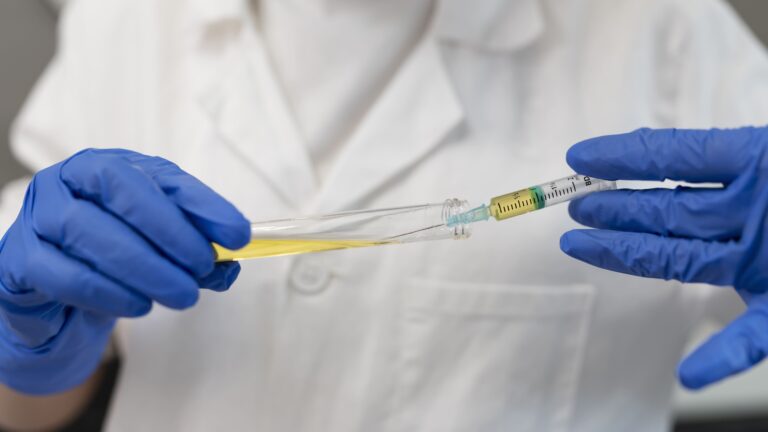
So how does it work? First, your doctor draws a small amount of your blood. Next, that blood is spun in a centrifuge to separate and concentrate the platelets. This rich solution is then injected right into the injured tendon or ligament using ultrasound guidance for precision.
Most patients need one to three sessions, spaced several weeks apart. Because PRP uses your own blood, there’s a low risk of complications or rejection.
What to Expect After PRP Treatment
Recovery Timeline
After a PRP injection, you may have mild soreness or swelling for a few days. Most people can return to light activity within a week, but high-impact exercise should be avoided until your doctor gives the green light. Full healing can take weeks to months, depending on the injury and your overall health.
Possible Side Effects
PRP is generally safe but may cause temporary pain, swelling, or bruising at the injection site. Rare risks include infection or nerve irritation, but these are uncommon when PRP is done by an experienced specialist.
Success Rates and Outcomes
Studies show PRP may help certain tendon and ligament injuries heal better than steroid injections or rest alone. For example, research suggests PRP can be more effective than cortisone for tennis elbow in the long term. However, results vary, and PRP isn’t guaranteed to work for everyone.
If PRP fails to bring enough relief, your doctor might recommend alternative treatments or surgery, depending on the severity of your injury.
Related: PRP vs Steroid and Hyaluronic Acid Injections: Which Is Best?
Is PRP Right for You?
If you’ve tried rest, physical therapy, and medications but still deal with daily tendon or ligament pain, PRP may be worth discussing with a specialist. Not every patient is a good fit — factors like overall health, the extent of the injury, and your healing goals will help your doctor decide.
Keep in mind, insurance may not always cover PRP. Many patients consider the potential for lasting pain relief worth the out-of-pocket cost.
Final Thoughts
PRP for tendon and ligament injuries can offer hope for patients who want to avoid surgery and speed up healing naturally. Talk to your doctor about whether this innovative therapy fits your needs. If you’d like to learn more, read our What Is PRP Therapy? Benefits for Joint & Soft Tissue Healing guide to see how PRP works for different conditions.