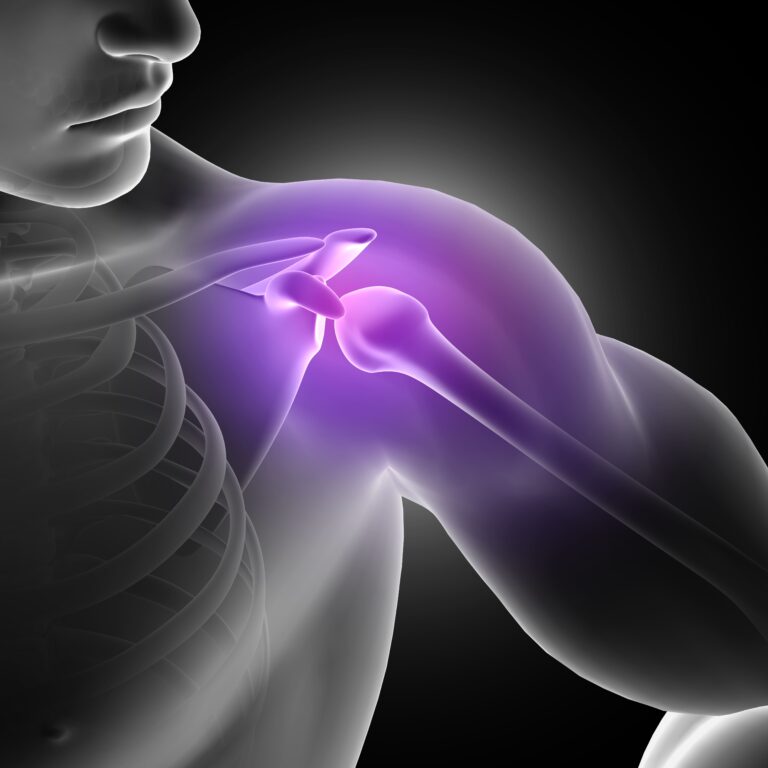
Shoulder pain is one of the most common complaints among adults, whether from daily activities, sports, or aging. But knowing the shoulder pain causes is crucial—different conditions require different treatments. Some causes are minor and improve with rest, while others can indicate more serious issues.
In this article, we’ll explore the most common reasons your shoulder may hurt, why pain sometimes worsens when lifting your arm, and the warning signs you shouldn’t ignore.
Common Causes of Shoulder Pain
The shoulder is a complex joint with muscles, tendons, ligaments, and bones all working together. Pain can result from injury, overuse, or degeneration. Here are some of the most frequent culprits:
Rotator Cuff Injuries and Pain
The rotator cuff is a group of muscles and tendons that stabilize your shoulder. When these tissues become inflamed or torn, you may feel dull aches, weakness, or sharp pain when lifting your arm. Rotator cuff tears are common in athletes, manual workers, and older adults.
Early treatment, like physical therapy or injections, can prevent worsening damage. Learn more about rotator cuff pain to stay active and avoid long-term issues.
Shoulder Impingement Syndrome
Shoulder impingement happens when tendons or bursae are pinched during arm movement. It often causes pain when reaching overhead, lifting, or even sleeping on the affected side.
Common in swimmers, painters, and anyone doing repetitive overhead activities, impingement can lead to chronic pain if untreated.
Bursitis and Tendonitis
Bursae are small sacs that cushion your shoulder joint. When they become irritated (bursitis) or tendons swell (tendonitis), pain can make everyday tasks uncomfortable. Overuse, repetitive motions, or injury are typical triggers.
Most cases respond well to rest, ice, and physical therapy, but severe cases may need injections.
Arthritis in the Shoulder
Wear-and-tear osteoarthritis or autoimmune conditions like rheumatoid arthritis can damage shoulder cartilage, leading to stiffness, grinding, and pain.
Though less common than knee or hip arthritis, shoulder arthritis can limit movement and affect quality of life. Early diagnosis is key to slowing progression.
What Causes Shoulder Pain When Lifting Up?
Many people notice pain when raising an arm to reach, throw, or lift. Why does this happen?
- Rotator cuff irritation: When you lift your arm, the space in the joint narrows, sometimes pinching tendons.
- Impingement: Inflamed tissues can rub against the shoulder blade during upward motion.
- Weakness or imbalance: Muscles around the joint may not support movement correctly.
If lifting your arm causes sharp or persistent pain, or if your shoulder feels weak, it’s time to seek medical advice. Untreated injuries can worsen over time.
When Shoulder Pain Signals Something Serious
Most shoulder discomfort is from musculoskeletal issues, but some symptoms point to larger problems:
- Sudden pain with chest tightness, sweating, or shortness of breath (possible heart or lung issue).
- Numbness, tingling, or weakness down the arm (nerve involvement).
- Visible deformity or inability to move the shoulder after trauma.
If you have these signs, seek medical care immediately. For more information, visit the Mayo Clinic’s shoulder pain resource.
Diagnosis and Next Steps
Doctors use a mix of history, physical exams, and imaging (like X-rays, MRI, or ultrasound) to find the source of pain.
Specialists such as orthopedic doctors or pain management experts can recommend treatments like injections, minimally invasive surgery, or regenerative therapies.
Managing and Preventing Shoulder Pain
Most cases improve with simple measures:
- Rest and activity changes: Avoid painful movements temporarily.
- Physical therapy: Strengthening and stretching exercises restore function.
- Injections or medications: Reduce inflammation and pain.
- Advanced options: For chronic cases, treatments like PRP (platelet-rich plasma) or surgery may help.
To prevent shoulder problems:
- Maintain good posture.
- Warm up before exercise.
- Strengthen your shoulder and upper back muscles.
Explore more on shoulder pain and common shoulder problems to stay informed and protect your joint health.
Key Takeaways
- Shoulder pain causes range from mild overuse injuries to serious conditions.
- Common problems include rotator cuff injuries, impingement, bursitis, tendonitis, and arthritis.
- Pain while lifting can mean a tendon or impingement issue.
- Red flags—like chest pain or sudden weakness—require urgent care.
Ready to Get Relief?
Don’t let shoulder pain keep you from doing what you love. At Advanced Spine and Pain Center, our team specializes in diagnosing and treating shoulder conditions with personalized care—from noninvasive therapies to advanced procedures.
Schedule an appointment today or call your nearest location in Virginia, Maryland, or Delaware to find relief fast.