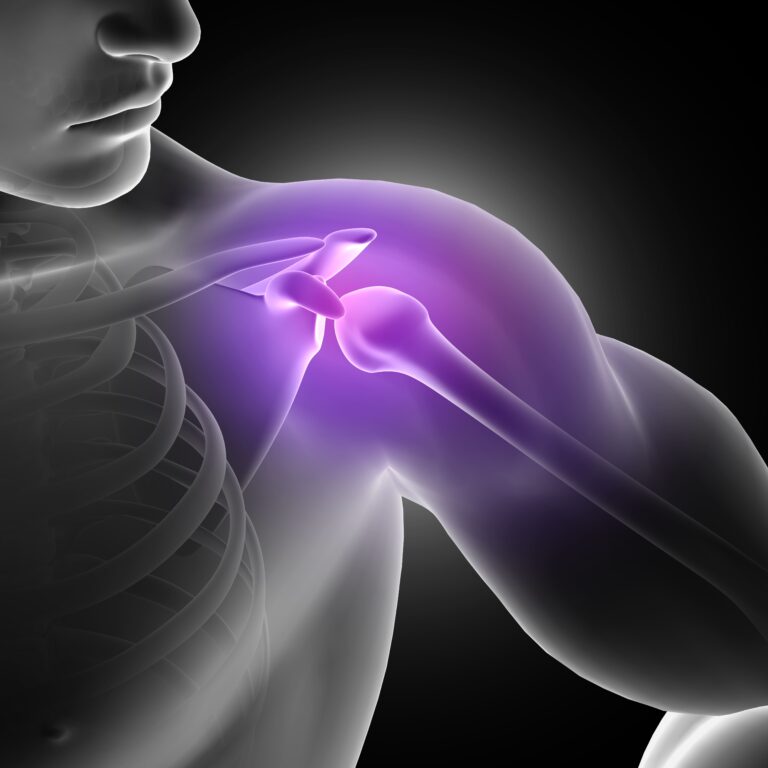
Shoulder pain can make everyday tasks like lifting groceries or reaching for something on a shelf surprisingly difficult. While surgery can sometimes be necessary, many people are able to find relief with non-surgical shoulder pain treatments. These options are designed to reduce pain, restore function, and help you return to your normal activities without the long recovery that comes with surgery.
In this article, we’ll look at some of the most effective non-surgical treatments available today, including PRP therapy, ultrasound-guided steroid injections, and other regenerative solutions.
Why Consider Non-Surgical Options for Shoulder Pain?
Shoulder pain often develops from conditions such as rotator cuff injuries, bursitis, arthritis, or impingement. Surgery can help with severe damage, but it is not always the first or best choice.
Non-surgical treatments are popular because they offer:
- A shorter recovery time compared to surgery
- Minimally invasive procedures with lower risks
- Relief for people who may not be good candidates for surgery
👉 Learn more about what might be behind your pain in our guide: What’s Causing Your Shoulder Pain? Common Triggers & Red Flags.
PRP Therapy for Shoulder Pain Relief
What Is PRP and How Does It Work?
Platelet-rich plasma, or PRP, uses a small sample of your own blood. The blood is processed so that growth factors are concentrated, then injected directly into the injured part of your shoulder. Instead of only masking symptoms, PRP encourages your body to repair damaged tissue.
Conditions PRP Can Help With
Studies suggest PRP may benefit people with:
- Rotator cuff tears or tendonitis
- Early shoulder arthritis
- Chronic inflammation or overuse injuries
What to Expect from PRP Treatment
The process is simple. Blood is drawn, processed in a centrifuge, and then injected into the shoulder using imaging for accuracy. You may feel sore for a few days, but improvement typically builds over weeks as healing takes place. Some patients need more than one session.
For more details, the Mayo Clinic offers a helpful overview of how PRP works.
Ultrasound-Guided Steroid Injections
How They Differ from Standard Injections
Steroid injections have been used for years to ease inflammation in the shoulder. What makes ultrasound guidance different is the ability to see exactly where the medicine is going. This improves accuracy and helps provide faster relief.
Who Benefits Most?
Patients with bursitis, frozen shoulder, or impingement often respond well. The relief may last for weeks or even months, though results vary.
Regenerative Shoulder Injections Beyond PRP
PRP is only one part of the growing field of regenerative medicine. Other treatments, such as stem-cell based injections, are being studied for their ability to repair tissue and restore shoulder function.
These options may be especially helpful for people with early arthritis, long-term tendon injuries, or those who have not improved with physical therapy or steroid injections.
In addition to injections, several other non-surgical therapies are showing promise:
- Hydrodilatation to improve mobility in frozen shoulder
- Shockwave therapy to stimulate tissue repair
- Low-level laser therapy to ease inflammation
- Wearable supports combined with physical therapy to reduce pain and improve stability
How to Know Which Treatment Is Right for You
The right choice depends on your diagnosis, the severity of your symptoms, and your overall health and activity level. A specialist can evaluate your condition and recommend a plan that may include one or more of these treatments.
Often, combining therapies provides the best outcome. For example, some patients pair PRP with physical therapy to both heal tissue and rebuild strength.
FAQs on Non-Surgical Shoulder Pain Treatments
Is PRP covered by insurance?
Most insurance plans do not cover PRP because it is still considered experimental by many providers.
How long do steroid injections last?
Relief can last from several weeks to a few months. Repeat injections may be needed.
Do regenerative treatments help people avoid surgery?
Yes, in many cases they can delay or even prevent the need for surgery.
Are these treatments safe for older adults?
Yes. Most of these therapies are low-risk, though your doctor will evaluate your overall health before recommending them.
Conclusion
Non-surgical options such as PRP therapy for shoulder pain, regenerative shoulder injections, and image-guided techniques give patients new hope. They provide relief with fewer risks and allow many people to return to their normal activities sooner.
If shoulder pain is interfering with your life, talk to a specialist about these innovative treatments and find out what approach is best for you.