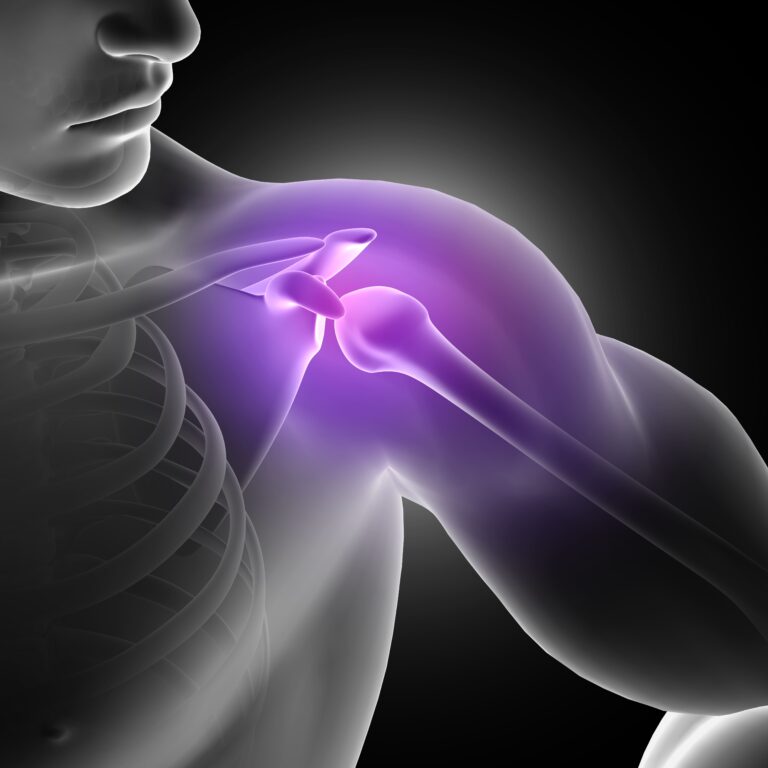
Shoulder pain is one of the most common reasons people visit orthopedic specialists. While rest, medication, and physical therapy often help, there are times when these approaches are not enough. That’s when it becomes important to explore your shoulder surgery options. Knowing when surgery is appropriate and what choices exist can help you make a confident, informed decision.
When to Consider Shoulder Surgery?
Not all shoulder pain requires surgery. In many cases, non-surgical treatments like physical therapy, medications, or corticosteroid injections provide relief. However, surgery may be recommended if:
- Pain lasts longer than 6–12 months despite conservative care
- You struggle to lift your arm, dress, or perform daily activities
- Imaging shows a significant tear or joint damage
- Your shoulder frequently feels unstable or weak
If you’re asking yourself, “when to consider shoulder surgery?” these signs are often a clear indicator that it may be time to consult a specialist.
👉 Learn more about common causes of shoulder pain in our guide: What’s Causing Your Shoulder Pain? Common Triggers & Red Flags.
Common Shoulder Surgery Options
There are several types of procedures, each designed to address specific injuries or conditions. Let’s look at the most common shoulder surgery options.
Rotator Cuff Repair
Rotator cuff tears are one of the leading reasons people undergo shoulder surgery. The procedure can be performed arthroscopically (minimally invasive), through a mini-open incision, or as open surgery. It involves reattaching torn tendons to the bone. Recovery often requires several months of physical therapy, but many patients regain strength and function.
Shoulder Joint Replacement
When arthritis or massive rotator cuff tears severely damage the joint, replacement surgery may be the best option. Types include:
- Total shoulder replacement – replacing the ball and socket with artificial parts.
- Reverse shoulder replacement – used when rotator cuff tendons are too damaged.
- Hemiarthroplasty – replacing only part of the joint.
This type of shoulder surgery is highly effective for reducing pain and restoring mobility in patients with advanced arthritis.
AC Joint Surgery
The acromioclavicular (AC) joint can develop arthritis or instability. In these cases, surgeons may remove a small part of the collarbone (distal clavicle excision) to eliminate pain. Recovery is generally quicker than with larger shoulder procedures.
Arthroscopy and Other Procedures
For conditions such as shoulder impingement, labral tears, or instability, minimally invasive arthroscopy is often performed. Tiny instruments and a camera allow surgeons to repair or clean damaged tissue with smaller incisions, resulting in faster recovery times.
What to Expect After Shoulder Surgery
Recovery depends on the type of procedure, but most surgeries require rest followed by structured physical therapy. Here’s what to expect:
- Rotator cuff surgery recovery may take 4–6 months
- Shoulder replacement surgery often takes 6–12 months for full results
- Some patients may experience stiffness, re-tear risk, or infection, though these complications are rare
The key to long-term success is committing to rehabilitation exercises, which strengthen the shoulder and restore mobility.
Comparing Surgical vs Non-Surgical Pathways
Surgery is usually the last option after non-surgical treatments fail. Physical therapy, medications, and injections are often tried first. However, waiting too long in some cases—like a complete rotator cuff tear—can lead to worse damage.
👉 Explore alternatives before surgery in our blog: Non-Surgical Treatments for Osteoarthritis: Effective Pain Relief Options.
Making the Right Choice for Your Shoulder Health
Choosing surgery is a personal decision that depends on your lifestyle, goals, and the severity of your condition. An experienced orthopedic specialist can walk you through your options and help you weigh the benefits and risks.
For more insights, check out the Mayo Clinic’s overview of shoulder surgery options.
Conclusion
If shoulder pain is limiting your life and non-surgical treatments aren’t helping, it may be time to consider surgery. From rotator cuff surgery to full joint replacement, modern procedures can restore movement and significantly reduce pain.
At ASAP, we provide advanced diagnostics, conservative care, and surgical expertise tailored to your needs. Don’t let shoulder pain control your life—schedule a consultation today to explore the best treatment path for you.