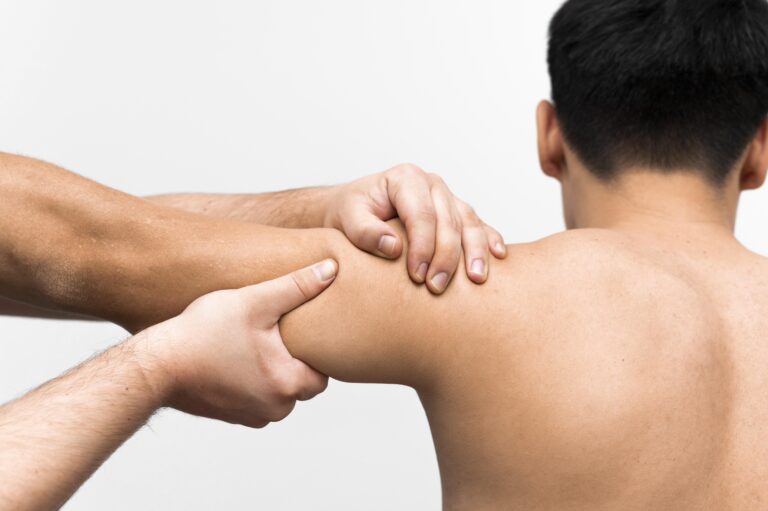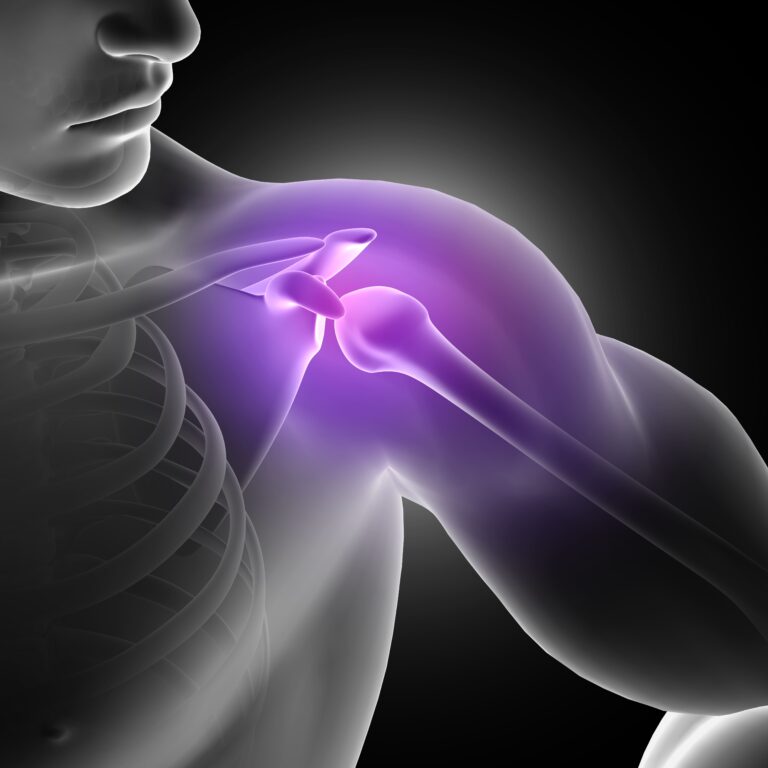
Shoulder injuries can make even simple movements like lifting your arm or reaching for something painful and frustrating. Whether your injury came from sports, exercise, or an accident, following the right shoulder rehab exercises can help you rebuild strength, improve mobility, and get back to your normal routine with confidence.
Rehabilitation is not just about easing the pain. It’s about retraining your muscles, improving flexibility, and preventing future injuries. With the right approach, you can recover faster, move comfortably again, and protect your shoulder from long-term damage.
Why Shoulder Rehabilitation Matters After an Injury
After a shoulder injury, muscles and tendons often become weak, tight, or unbalanced. This can lead to stiffness, pain, and limited movement. Without proper rehabilitation, those issues may linger or even turn into chronic shoulder problems.
Structured rehab for shoulder pain helps you rebuild strength in a safe, gradual way. It restores flexibility, improves joint stability, and teaches your body how to move correctly again. Taking the time to heal properly reduces the chances of re-injury and helps you return to your regular activities feeling stronger than before.
If you’d like to understand more about common causes of shoulder pain and how to identify serious issues, check out this helpful Blog.
Early-Stage Shoulder Rehab: Restoring Motion Safely
During the first few weeks after your injury, the goal is to gently regain movement without putting too much stress on the shoulder. Slow, controlled exercises encourage healing and prevent stiffness from setting in.
Passive Motion Exercises (Phase 1)
- Pendulum swings: Lean forward and let your injured arm hang naturally. Move it in small, gentle circles to boost circulation.
- Assisted arm elevation: Use your other arm or a towel to slowly lift the injured arm upward.
- Wall or table slides: Slide your hand up a wall or across a table to help restore movement.
Tips for Early Recovery
- Move slowly and avoid forcing the motion.
- Practice these exercises two to three times daily in short sessions.
- Stop if you feel sharp or increasing pain.
- Stay consistent. Gentle repetition helps your shoulder heal faster.
You can also explore more examples from the Mayo Clinic’s shoulder rehabilitation exercises.
Mid-Stage Shoulder Rehab: Building Strength Gradually
Once your shoulder feels more flexible, it’s time to start strengthening the muscles that support it. This stage of shoulder mobility work focuses on restoring balance, stability, and control.
Resistance Band and Light Weight Exercises (Phase 2)
- External and internal rotations: Attach a resistance band at elbow height. Slowly rotate your arm outward and inward to activate shoulder stabilizers.
- Shoulder blade squeezes: Gently pull your shoulder blades together to strengthen your upper back.
- Front and side raises: Use light weights (1–3 pounds) and lift your arms forward or to the side in slow, steady motions.
Posture and Core Support
Your posture affects how your shoulder moves and feels. Add simple exercises like wall angels and seated back stretches to support better alignment. A strong core also helps take pressure off the shoulder joint, making movements smoother and safer.
Advanced Shoulder Strengthening and Functional Training
When your pain has eased and your range of motion is back, you can move on to more advanced strengthening. These exercises are often considered the best rehab exercises after shoulder injury because they prepare your shoulder for everyday movements and sports.
Dynamic and Stability Exercises (Phase 3)
- Plank shoulder taps: Build strength and stability while keeping your core engaged.
- Push-up progressions: Start with wall push-ups, then move to kneeling or full push-ups when ready.
- Overhead resistance pulls: Use a resistance band or cable to strengthen your upper back and shoulder.
- Medicine ball tosses: Lightly throw and catch a ball against a wall to improve coordination.
When You’re Ready for Advanced Work
- You can move through your full range of motion without pain.
- Both shoulders feel stable and equally strong.
- Your physical therapist or doctor gives you the go-ahead for more challenging exercises.
When to Seek Professional Help
If your shoulder still feels weak, stiff, or painful after several weeks of rehab, it may be time to see a professional. Ongoing pain, popping sounds, or loss of strength could mean there’s an underlying issue that needs medical attention.
A physical therapist can customize a program to fit your recovery needs. They’ll make sure you’re doing each movement correctly and progressing safely. For more advanced or surgical cases, professional supervision can make recovery smoother and prevent setbacks.
You can also explore when surgery may be needed for shoulder pain if your pain is severe or persistent.
Tips to Prevent Future Shoulder Injuries
Once your shoulder has healed, prevention becomes just as important as recovery. Here are a few easy habits that can help you stay pain-free:
- Warm up your shoulders before exercise or physical activity.
- Stretch regularly to keep your muscles flexible.
- Maintain good posture, especially if you sit for long hours.
- Do light strength and mobility work each week to keep your shoulders balanced.
- Avoid lifting heavy objects or performing jerky movements too soon after recovery.
Consistency and good form are the best ways to keep your shoulders healthy for life.
Conclusion
Recovering from a shoulder injury takes patience and care, but with the right plan, it’s completely achievable. Focusing on shoulder rehab exercises that improve strength, stability, and motion will help you get back to doing what you love.
At Advanced Spine And Pain, our specialists create personalized rehabilitation programs designed to fit your specific injury and recovery goals. Whether you’re healing from a recent injury or managing ongoing shoulder pain, our team is here to help you move freely and confidently again.
Book your consultation today and take the first step toward a stronger, healthier shoulder.