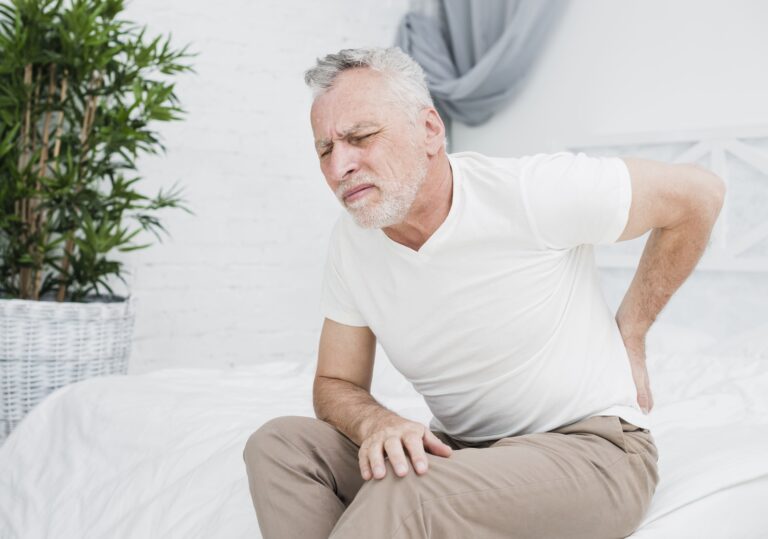
Lower back pain is one of the most common reasons people seek medical care, and for many, the idea of surgery can feel overwhelming or unnecessary. The good news is that most cases improve with non surgical lower back pain treatments, especially when care starts early and is tailored to the cause of the pain.
In this guide, we break down the most effective non-surgical options available today, explain who they work best for, and help you understand when conservative care is enough and when further evaluation is needed.
What Does “Non-Surgical” Lower Back Pain Treatment Mean?
Non-surgical treatment refers to medical and therapeutic approaches that relieve pain, restore movement, and improve function without an operation. These treatments focus on reducing inflammation, strengthening supportive muscles, and addressing movement patterns that contribute to pain.
They are often the first line of care for both acute and chronic lower back pain and can prevent the condition from worsening over time.
Why the Cause of Lower Back Pain Matters
Not all back pain is the same, which is why treatment varies from person to person. Some people experience pain after lifting or sudden movement, while others develop symptoms gradually.
Acute pain usually lasts a few days to weeks and often improves with rest and basic care. Chronic pain lasts longer than three months and often needs a more structured treatment plan.
Lower back pain may come from muscle strain, disc problems, joint irritation, or nerve compression. Identifying the source helps guide the most effective therapy.
For a deeper look at causes, see our guide on What Causes Lower Back Pain? Common Triggers and Signs.
Physical Therapy and Exercise Based Treatments
Physical therapy is one of the most effective non-surgical back pain relief options and is supported by strong clinical evidence.
Core Strengthening and Stabilization
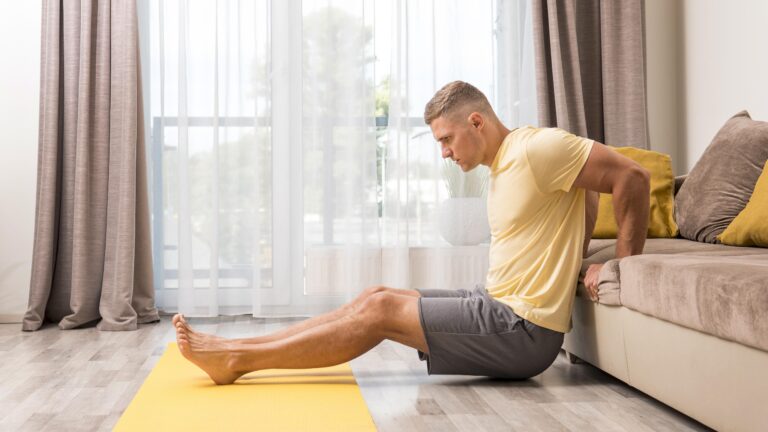
Weak core muscles place extra stress on the spine. A physical therapist can guide you through exercises that strengthen the abdominal and back muscles, improving spinal support and reducing future flare-ups.
Stretching, Mobility, and Posture Training
Tight hips, hamstrings, and poor posture often contribute to ongoing pain. Targeted stretching and posture education help improve movement and reduce strain during daily activities.
According to Physio-Pedia, structured exercise programs play a key role in long-term lower back pain management.
Manual Therapy and Hands-On Treatment Options
Manual therapies are commonly used as part of broader lower back pain therapy options.
Chiropractic Care and Spinal Manipulation
Chiropractic adjustments aim to improve joint movement and reduce stiffness. Some patients experience short-term pain relief, especially for mechanical lower back pain. This approach is not suitable for everyone and should be guided by proper evaluation.
Massage Therapy
Massage can help relieve muscle tension, improve circulation, and reduce stress-related pain. It works best when combined with active treatments like exercise and physical therapy.
Pain Relief Modalities and Supportive Therapies
These treatments help manage symptoms and support recovery but are usually not standalone solutions.
Heat and Cold Therapy
Ice helps reduce inflammation during acute flare-ups, while heat relaxes tight muscles and improves blood flow in chronic pain cases.
TENS and Ultrasound Therapy
Transcutaneous electrical nerve stimulation and ultrasound therapy may reduce pain signals and muscle tension for some patients. Results vary, but they can be useful as part of a broader plan.
Injection-Based Non-Surgical Treatments
When pain does not improve with therapy alone, injections may be considered.
Epidural Steroid Injections
These injections reduce inflammation around irritated nerves and are often used for sciatica or disc-related pain. Relief may last weeks to months, allowing patients to progress with rehabilitation.
Facet Joint and Nerve Block Injections
Facet joint injections target arthritis-related pain in the spine. Nerve blocks may help identify the source of pain and provide temporary relief.
Spine-Health provides detailed clinical guidance on when these injections are appropriate.
Lifestyle Changes That Support Long-Term Relief
Daily habits play a major role in whether back pain improves or returns.
Ergonomics and Movement
Proper sitting posture, supportive mattresses, and safe lifting techniques reduce spinal strain. Regular movement throughout the day helps prevent stiffness.
Weight Management and Inflammation
Excess weight increases pressure on the lower spine. Balanced nutrition and low-impact activities like walking or swimming can reduce inflammation and support healing.
Choosing the Right Non-Surgical Treatment
The best treatment depends on your symptoms, pain duration, and daily demands.
Muscle-based pain often responds well to physical therapy and exercise. Nerve pain may benefit from targeted injections combined with rehabilitation. Many people see the best results from combining multiple non-surgical treatments rather than relying on one approach alone.
When Non-Surgical Care May Not Be Enough
While most lower back pain improves without surgery, some symptoms need urgent evaluation. These include severe weakness, loss of bladder control, unexplained weight loss, or pain that worsens at night.
Learn more in When Is Lower Back Pain Serious? Warning Signs to Watch.
Final Thoughts
Surgery is rarely the first step for lower back pain. With the right combination of non-surgical treatments, many people experience meaningful pain relief and improved quality of life. Early care, consistency, and a personalized plan make the biggest difference.
If your pain is persistent or interfering with daily activities, a professional evaluation can help you choose the safest and most effective path forward.