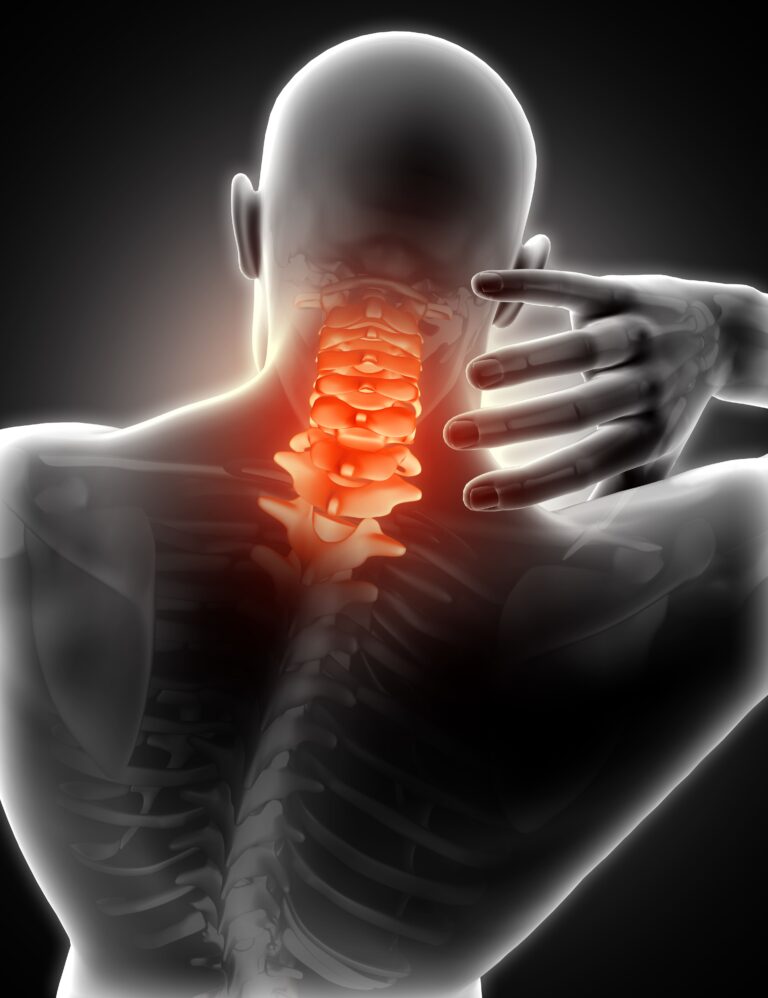
Neck pain is one of the most common reasons people seek medical care, especially in today’s screen-heavy world. Poor posture, stress, and repetitive movements can all take a toll on the cervical spine. The good news is that non-surgical neck pain treatments are highly effective for most people and can significantly reduce pain without the risks of surgery.
This guide explains the most common non-invasive options, how they work, and how to determine what may be best for you.
Why Neck Pain Happens in the First Place
Neck pain often develops gradually and may feel stiff, achy, or sharp. In many cases, it is caused by everyday habits rather than a serious condition.
Common causes include muscle strain from poor posture, prolonged phone or computer use, and sudden movements. Degenerative changes such as arthritis or disc wear can also contribute, especially with age.
In some cases, neck pain is related to nerve irritation, which may cause pain to travel into the shoulders or arms. While this can feel alarming, it does not always mean surgery is needed.
If you’re exploring your options, our guide on Neck Pain Treatment Options: Physical Therapy, Medications & More explains the full range of conservative approaches available.
When Neck Pain Can Be Treated Without Surgery
Most people with neck pain are good candidates for conservative care. If pain is mild to moderate, not worsening, and not associated with progressive weakness or loss of coordination, non-surgical treatment is typically the first step.
These approaches focus on reducing inflammation, restoring movement, and strengthening the muscles that support the neck. Early treatment often leads to faster recovery and helps prevent chronic issues.
According to the Mayo Clinic, most cases of neck pain improve with conservative treatments such as physical therapy, activity modification, and pain management.
Physical Therapy for Neck Pain Relief
Physical therapy is one of the most effective non-surgical neck pain treatments available. Rather than masking symptoms, it addresses the underlying causes of pain.
A physical therapy program helps improve posture, increase flexibility, and strengthen the muscles of the neck and upper back. This reduces strain on the cervical spine and lowers the risk of recurring pain.
Treatment may include guided stretching, strengthening exercises, hands-on manual therapy, and education on ergonomics. Over time, patients often notice better mobility, reduced stiffness, and improved daily function.
Pain Therapies That Support Neck Pain Recovery
Pain therapies play an important role, especially during the early stages of treatment. They help control discomfort so patients can stay active and participate fully in physical therapy.
Medication-based pain therapies may include short-term use of anti-inflammatory drugs or muscle relaxants. These are typically used carefully to avoid dependence or side effects.
Non-medication pain therapies are also commonly recommended. Heat and cold therapy can reduce muscle tension and inflammation. Electrical stimulation, such as TENS, may help interrupt pain signals, while therapeutic massage can relieve tight muscles and improve circulation.
Used together, these pain therapies can significantly improve comfort during recovery.
Spinal Injections for Neck Pain
When neck pain persists despite conservative care, spinal injections may be considered. These are still classified as non-surgical neck pain treatments and are often used to reduce inflammation around irritated nerves.
Spinal injections deliver medication directly to the source of pain. This targeted approach can provide stronger relief than oral medications alone.
Common types include epidural steroid injections, facet joint injections, and nerve blocks. These treatments are especially helpful for people with radiating pain, inflammation, or nerve compression.
While injections do not fix structural problems, they can provide enough relief to allow continued physical therapy and long-term improvement.
Comparing Non-Surgical Neck Pain Treatments
Choosing the right treatment depends on the cause and severity of your symptoms.
Muscle-based pain often responds best to physical therapy and posture correction. Inflammatory or nerve-related pain may require a combination of pain therapies and spinal injections. Chronic or recurring neck pain usually benefits from a personalized plan that combines several approaches.
Recovery timelines vary. Some people feel better within a few weeks of physical therapy, while others need longer-term care. Spinal injections may provide relief for weeks or months, depending on the condition being treated.
What Is the Best Non-Surgical Treatment for Neck Pain?
Many patients ask, what is the best non-surgical treatment for neck pain? The honest answer is that there is no single solution that works for everyone.
The most effective care is individualized. For some, physical therapy alone is enough. For others, combining therapy with pain management or spinal injections leads to better results.
A comprehensive evaluation helps determine which treatments will offer the most benefit while minimizing unnecessary interventions.
When to See a Specialist for Neck Pain
While most neck pain improves with conservative care, some symptoms should not be ignored. Pain lasting longer than a few weeks, worsening discomfort, or numbness and weakness in the arms may require further evaluation.
Seeing a specialist early can help rule out serious issues and guide you toward the most appropriate non-surgical options.
How ASAP Helps Treat Neck Pain Without Surgery
ASAP offers a coordinated approach to non-surgical neck pain treatments. Care plans are tailored to each patient and may include physical therapy, pain therapies, and advanced spinal injections when needed.
By focusing on long-term relief rather than temporary fixes, ASAP helps patients return to normal activities safely and confidently.
Conclusion
Neck pain can be disruptive, but surgery is rarely the first or best option. With the right combination of physical therapy, pain therapies, and spinal injections, most people can find meaningful relief.
If neck pain is affecting your daily life, exploring non-surgical care early can improve outcomes and help you avoid more invasive treatments in the future.