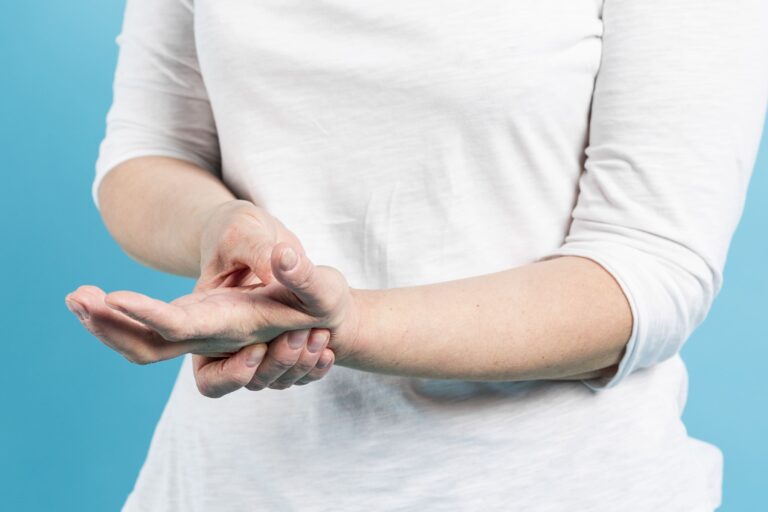
Hand pain can make simple tasks feel surprisingly difficult. Opening a jar, typing on a keyboard, or even holding a pen may become uncomfortable when arthritis affects the joints in the hands.
Many people search for arthritis hand pain relief because the hands are used constantly throughout the day. When joints become stiff or inflamed, everyday activities can quickly turn frustrating.
The good news is that several effective treatments can help. Options such as hand arthritis therapy, occupational therapy, medications, and simple lifestyle changes can reduce pain and improve how your hands function.
This guide explains what causes hand arthritis, the most helpful therapy options, and practical ways to manage symptoms.
What Causes Hand Pain From Arthritis?
Arthritis develops when the protective cartilage inside a joint begins to break down or when inflammation affects the joint lining. The hands contain many small joints, which makes them particularly vulnerable to arthritis-related pain.
Over time, joint damage can cause stiffness, swelling, and limited mobility.
Types of Arthritis That Affect the Hands
Several forms of arthritis may lead to hand pain.
Osteoarthritis
This is the most common type. It occurs when cartilage gradually wears down, causing bones to rub together.
Rheumatoid arthritis
An autoimmune condition that causes the immune system to attack joint tissue, leading to inflammation and swelling.
Post-traumatic arthritis
This type can develop after a previous injury, such as a fracture or ligament damage in the hand.
Common Symptoms of Hand Arthritis
Symptoms can develop slowly and may worsen over time. Common signs include:
- Joint stiffness, especially in the morning
- Swelling around finger joints
- Tenderness or aching pain
- Reduced grip strength
- Difficulty gripping objects
Many people also notice small bony growths around finger joints as osteoarthritis progresses.
Joints Most Often Affected
Arthritis in the hands most frequently affects:
- The base of the thumb (carpometacarpal joint)
- The middle joints of the fingers
- The joints closest to the fingertips
Pain in these areas often makes everyday activities more challenging.
Arthritis Hand Pain Relief Options That Actually Help
Managing arthritis usually involves combining several treatment approaches. The goal is to reduce inflammation, improve joint mobility, and protect the joints from further stress.
Lifestyle Changes for Pain Management
Small adjustments in daily habits can make a big difference.
Helpful strategies include:
- Avoiding repetitive gripping tasks
- Using both hands to lift objects
- Taking breaks during activities that strain the hands
- Using ergonomic tools designed for joint comfort
These changes help reduce pressure on already sensitive joints.
Medications That May Reduce Pain
Some people benefit from medications that reduce inflammation and discomfort.
Common options include:
- Over-the-counter anti-inflammatory medications
- Topical creams that target joint pain
- Prescription medications recommended by a doctor
Medication plans should always be discussed with a healthcare professional.
Heat and Cold Therapy
Temperature therapy can provide temporary pain relief.
Heat therapy helps loosen stiff joints and improve flexibility. Warm compresses or paraffin wax baths are commonly used.
Cold therapy reduces swelling and inflammation. Applying a cold pack to painful joints may help during flare-ups.
How Hand Arthritis Therapy Improves Daily Function
Structured rehabilitation is often one of the most effective ways to manage arthritis symptoms.
Hand arthritis therapy focuses on improving mobility, strengthening the muscles around the joints, and protecting the hands during daily activities.
Therapy programs are often guided by occupational or physical therapists.
Goals of Hand Arthritis Therapy
Therapeutic programs typically aim to:
- Reduce joint pain and inflammation
- Improve finger flexibility and movement
- Maintain grip strength
- Support independence in everyday tasks
Consistent therapy can slow functional decline and make daily activities easier.
The Role of Occupational Therapy
Occupational therapy plays an important role in helping people adapt to arthritis.
Therapists teach practical techniques that reduce strain on the joints while performing routine activities.
These may include:
- Joint protection strategies
- Activity modification techniques
- Workstation adjustments
- Use of assistive tools
These strategies help patients stay active while minimizing discomfort.
Best Occupational Therapy for Hand Arthritis
Occupational therapy programs often include exercises and supportive tools designed to protect the joints.
Hand Exercises Recommended by Therapists
Gentle exercises help maintain flexibility and prevent stiffness.
Examples include:
- Finger bending exercises
- Thumb stretches
- Soft ball squeezing for grip strength
- Tendon-gliding exercises
These movements should be performed slowly and without pain.
Adaptive Tools That Reduce Hand Strain
Assistive devices can make many tasks easier.
Examples include:
- Jar openers
- Large-grip kitchen utensils
- Ergonomic pens
- Button hooks for clothing
These tools reduce the force required from the small joints in the hands.
Splints and Supports
Some patients benefit from supportive splints.
Splints help stabilize joints, reduce pain, and prevent excessive movement that may worsen inflammation.
A therapist may recommend:
- Thumb stabilization splints
- Resting splints during flare-ups
- Custom-fit supports for specific joints
When to Consider Advanced Treatments
Conservative treatments work well for many people. However, more advanced options may be considered when pain becomes severe.
Corticosteroid Injections
Injections can help reduce inflammation inside painful joints.
Relief may last several weeks or months, depending on the severity of arthritis.
Referral to a Hand Specialist
Medical evaluation may be necessary if symptoms worsen. Understanding when symptoms require specialist attention is similar to recognizing warning signs in other musculoskeletal conditions, such as knowing when lower back pain becomes serious and requires medical care A specialist may recommend additional imaging or targeted treatments.
Surgical Options
Surgery is usually considered only when other treatments fail.
Procedures may include:
- Joint fusion
- Joint reconstruction
- Joint replacement
These options aim to restore function and reduce severe pain.
Everyday Tips to Protect Arthritic Hands
Daily habits can help reduce strain on painful joints.
Consider these simple tips:
- Avoid gripping objects too tightly
- Use larger handles whenever possible
- Take breaks during repetitive tasks
- Maintain gentle hand movement throughout the day
Protecting your joints can help prevent symptoms from worsening.
When to See a Doctor for Hand Arthritis Pain
Medical evaluation is recommended if symptoms continue or worsen.
Seek care if you experience:
- Persistent pain lasting several weeks
- Increasing swelling in the joints
- Difficulty performing basic daily tasks
- Sudden loss of grip strength
Early treatment can help slow joint damage and improve quality of life.
For more information about arthritis care and treatment recommendations, the Mayo Clinic provides detailed guidance on managing arthritis symptoms.
Conclusion
Living with hand arthritis can be challenging, but effective treatments are available. A combination of arthritis hand pain relief strategies, therapy, and lifestyle adjustments can significantly improve daily comfort.
Programs such as hand arthritis therapy and occupational therapy help strengthen the hands, protect joints, and restore function.
If hand pain is interfering with your daily activities, consulting a healthcare professional can help you find the most appropriate treatment plan.