
Your spine keeps you upright, enables bending and other movements, and protects your spinal cord, the long cluster of nerves that allows your brain and your body to communicate and facilitate your mobility.
Certain conditions, and even just getting older, compromise the integrity of your spine and you can end up suffering from a condition called spinal stenosis. SInce there is more than one type of spinal stenosis, symptoms are diverse, and though the condition can’t be cured, it can be treated successfully through several means.
The clinical expertise, surgical skill, and sensitive approach at Advanced Spine and Pain team mean that you get a personalized treatment plan based on your history of pain, specific symptoms, and your goals. Dr. Randy Davis, Dr. Brian Lee, and Dr. Thomas Raley have one goal: to rid you of spinal stenosis pain using the most advanced methods possible.
Why does spinal stenosis occur?
In a word, spinal stenosis is the result of narrowing. When the bony openings in your spine (foramina) constrict, there’s less room for your nerves. As they’re compressed, a wide range of painful symptoms emerge.
How the location of your spinal stenosis affects your symptoms
There are two main types of spinal stenosis, and each is defined by where your foramina are being crowded:
- Lumbar stenosis is more common, and caused by narrowed nerves in your lower back
- Cervical stenosis’ pain happens in your neck as a response to crowded nerves there
The aging process can fuel spinal nerve damage, or your spine might have been narrow all your life. Other causes of spinal stenosis include traumatic injury, osteoarthritis, herniated discs, thickened ligaments, genetic diseases, and tumors.
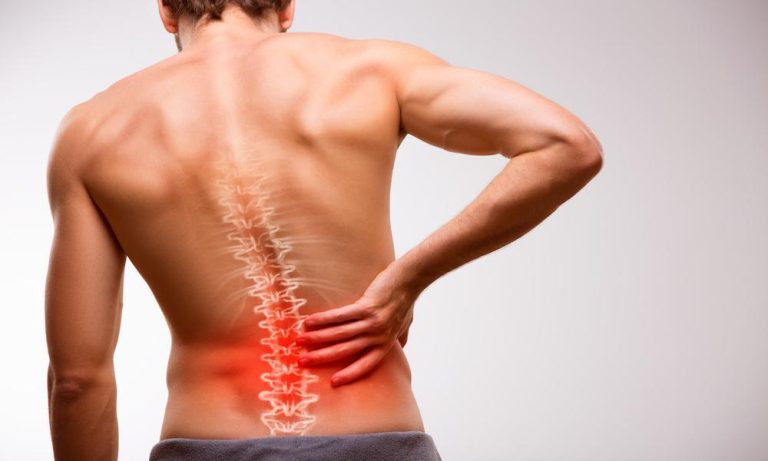
If you have lumbar spinal stenosis, your symptoms typically range from dull to sharp lower back pain, sciatica (pain that originates in your buttox and travels down your leg to your foot), and tingling or a lack of feeling in your leg, foot, or buttocks.
You may also experience foot and leg cramps, heaviness, and in the worst cases, bladder and bowel control problems. Lumbar spinal stenosis pain can also ease when you perform certain activities, like walking uphill, or just sitting down.
Cervical spinal stenosis discomfort includes neck pain, balance issues, and a hampered ability to use your hands for fine motor skills tasks, like buttoning a shirt.
As with lumbar spinal stenosis, you can also have problems controlling your bladder and bowels if your case is severe. Finally, you might experience arm, hand, leg, and foot weakness, tingling, and numbness.
Interestingly, you can have spinal stenosis and suffer no symptoms at all. If you do have symptoms, however, they can limit your quality of life significantly.
How can I get relief from spinal stenosis?
Unfortunately, you can suffer from one or both types of spinal stenosis, but the good news is that we have a range of treatments we offer that give you long-term relief. These include both conservative approaches and surgical interventions:
- Pain medications
- Targeted physical therapy
- Epidural steroid injections (injections infused with steroids and anesthetic)
- Laminectomy surgery
- CoflexⓇ decompression surgery
The surgical options help your condition in different ways. A laminectomy makes more room for your nerves in your spinal canal by actually removing the lamina, which is the rear portion of your vertebrae. The procedure frees your nerves and eliminates your pain by giving them the room they need.
During Coflex decompression surgery, we open your spinal canal, again eliminating the pressure that has accumulated on your nerves and spinal cord. We then place a small Coflex titanium implant that serves to support your spine.
Each procedure relieves the pressure on your nerves, thereby eliminating your pain and inflammation.
Since we know that chronic pain has negative effects not just on your physical comfort, but on your emotional health as well, we try to tailor your treatment solutions as closely as possible to your spinal stenosis symptoms.
Call the Advanced Spine and Pain office most convenient to you and schedule an appointment to discuss your spinal stenosis pain, or book one online.
]]>