Osteoarthritis is the most common form of arthritis, often affecting people as they age. But here’s the good news: it’s not an inevitable part of growing older. With the right steps, you can reduce your risk and support long-term joint health.
This guide offers real-world advice on preventing osteoarthritis and gives you the tools to protect your joints for years to come.
What Causes Osteoarthritis?
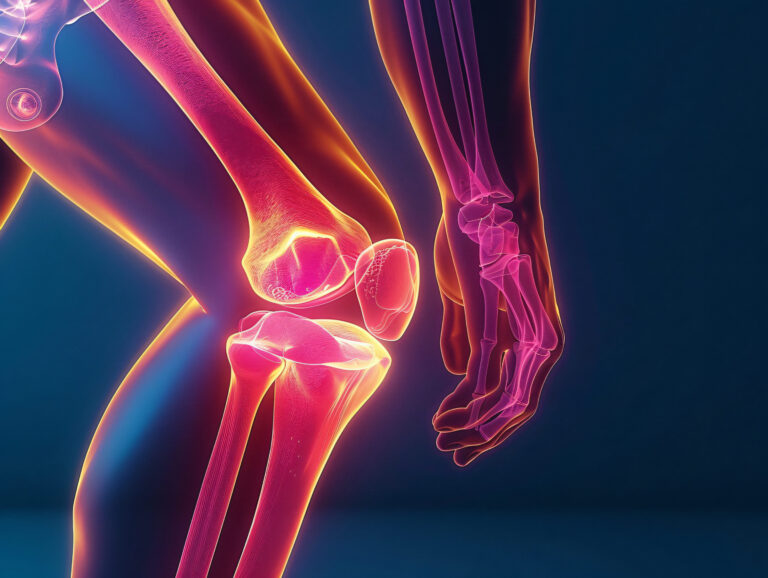
Osteoarthritis happens when the cartilage in your joints wears down over time. Cartilage acts like a cushion between bones. When it’s damaged, bones begin to rub against each other, causing pain, stiffness, and swelling.
Some factors are out of your control, like age or genetics. But many lifestyle choices—such as how you move, eat, and care for your body—play a big role in prevention.
1. Maintain a Healthy Weight
Extra weight puts additional pressure on weight-bearing joints like the knees and hips. In fact, every pound you gain can add up to four extra pounds of pressure on your knees.
What you can do:
- Set realistic weight goals with your doctor.
- Focus on balanced meals with vegetables, lean protein, and whole grains.
- Try tracking your progress with a food journal or app.
2. Keep Moving, but Move Smart
Regular exercise helps strengthen muscles around your joints, keeping them stable and protected. But not all workouts are created equal.
Choose joint-friendly activities:
- Swimming or water aerobics
- Walking on soft surfaces
- Cycling or using a stationary bike
- Strength training with proper form
Avoid high-impact activities that cause pain or strain. If something doesn’t feel right, don’t push through it—adjust your routine.
3. Protect Your Joints in Daily Life
Small habits in your daily routine can either support or harm your joints.
Try these practical tips:
- Use both hands to lift heavy objects instead of just one.
- Carry bags close to your body to reduce joint strain.
- Take breaks during repetitive tasks to avoid overuse.
- Adjust your posture while sitting, standing, or working at a desk.
The more you become aware of how you use your body, the more control you’ll have over joint stress.
4. Eat for Joint Health
Nutrition plays a powerful role in joint protection. Certain foods can help reduce inflammation, improve bone strength, and support overall joint function.
Include more of the following in your meals:
- Fatty fish (like salmon or sardines) for omega-3s
- Colorful fruits and vegetables rich in antioxidants
- Whole grains for steady energy
- Nuts and seeds for healthy fats
At the same time, try to cut back on processed foods, excess sugar, and red meat—these can increase inflammation over time.
5. Avoid Joint Injuries
Injuries early in life can increase the risk of osteoarthritis later on. Taking care during physical activity can go a long way in prevention.
How to stay safe:
- Warm up before and cool down after exercise.
- Wear proper footwear that supports your arches and alignment.
- Use braces or supports if you’ve had a past injury.
- Never skip rest days; recovery is part of prevention.
6. Don’t Ignore Early Joint Pain
If you’re starting to notice stiffness or discomfort, especially in the morning or after activity, don’t brush it off. Early action is key.
Speak with a pain specialist or primary care provider who can evaluate your joints and recommend a plan—before it gets worse.
At Advanced Spine and Pain, we help patients every day manage joint pain before it becomes a larger issue. Contact us to learn about your options.
7. Supplements: Helpful or Hype?
Some supplements, like glucosamine or chondroitin, may support joint health, though results vary. Always speak with a healthcare provider before adding anything to your routine.
What matters more than supplements is consistency in your lifestyle: staying active, eating well, and listening to your body.
Final Thoughts
Preventing osteoarthritis starts with the choices you make today. While some risk factors are out of your hands, many are within your control. By moving with purpose, eating with awareness, and treating your joints with care, you can build a strong foundation for long-term joint health.