Osteoarthritis is one of the most common joint conditions worldwide, but the good news is that you can lower your risk. Preventing osteoarthritis is not about making one big change, it is about building everyday habits that protect your joints, improve flexibility, and keep you moving comfortably. Whether you are concerned about family history, aging, or an active lifestyle, these strategies will help you protect your joints for the long run.
Why Osteoarthritis Prevention Matters
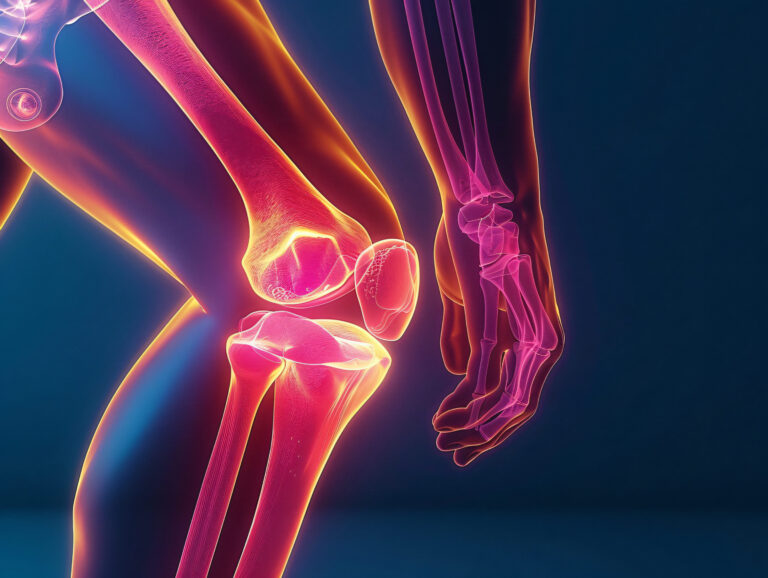
Osteoarthritis happens when cartilage, the smooth tissue that cushions the ends of bones, slowly wears away. Once the damage sets in, it cannot be reversed, which makes prevention so important. By focusing on simple joint health tips early on, you can lower the stress on your joints, reduce the chances of degeneration, and stay active in the activities you enjoy.
1. Maintain a Healthy Weight
Carrying extra weight puts extra pressure on your hips and knees. Even a small reduction in weight can ease this burden. Research shows that losing just 10 pounds can lower the risk of knee osteoarthritis by nearly half.
- Focus on gradual, sustainable weight management
- Pair a balanced diet with regular activity
- Ask your doctor or wellness coach for guidance if needed
Related Blog: What Is Osteoarthritis? Causes, Symptoms, and Risk Factors
2. Prioritize Nutrition for Joint Health
The food you eat plays a direct role in keeping your joints healthy. The right nutrients can protect cartilage and keep inflammation under control.
- Omega-3 fatty acids in fish, walnuts, and flaxseeds help calm inflammation
- Calcium and Vitamin D support strong bones and mobility
- Colorful fruits and vegetables rich in antioxidants protect against tissue damage
Tip: Cut back on processed snacks and added sugars, which may trigger inflammation.
3. Stay Active With Joint-Friendly Exercise
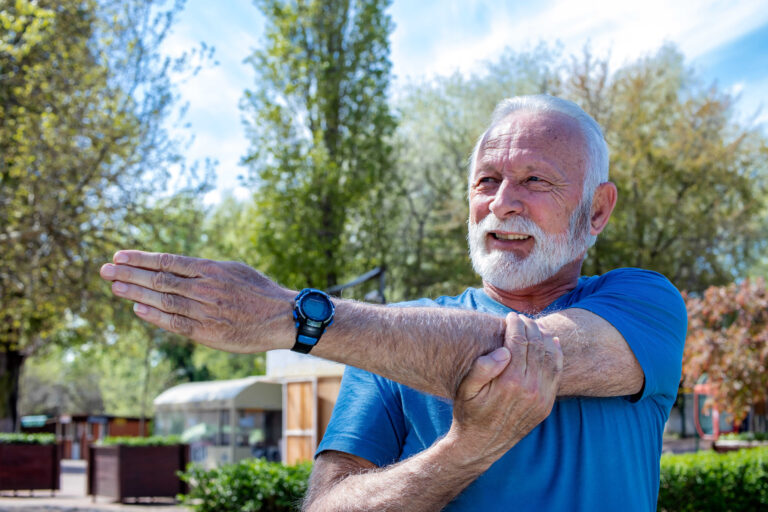
Movement is essential for joint protection. Exercise strengthens muscles, improves flexibility, and helps prevent stiffness. The key is choosing activities that are gentle on your joints.
- Walking or swimming builds endurance without straining joints
- Cycling and yoga improve stability and flexibility
- Strength training protects joints by supporting the muscles around them
Aim for at least 150 minutes of moderate activity each week. Do not forget to stretch to keep your joints moving freely.
Related Blog: Non-Surgical Treatments for Osteoarthritis: Effective Pain Relief Options
4. Protect Your Joints from Injury
Old injuries can increase your chances of osteoarthritis later in life. Taking steps to protect your joints today can pay off in the future.
- Practice good form when lifting or exercising
- Wear supportive shoes, especially during workouts
- Warm up before activity and cool down afterward
- Use protective gear if you play sports
Small habits like these help reduce strain and keep your joints safe.
5. Pay Attention to Early Warning Signs
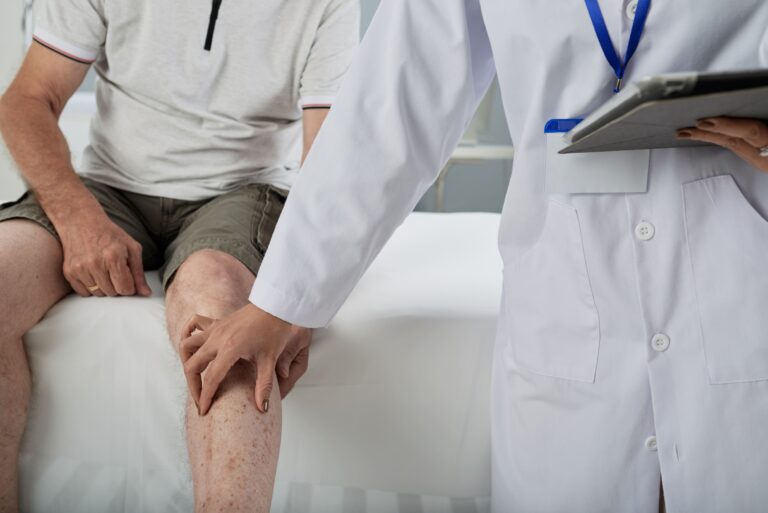
Sometimes your body gives you signals before a bigger issue develops. Do not ignore stiffness, mild joint pain, or limited flexibility. Getting checked early can prevent further damage.
- Schedule regular check-ups if you know you are at higher risk
- Ask about physical therapy or strengthening programs
- Get evaluated if you have a history of joint injuries
Lifestyle Habits That Last
Prevention is about consistency, not quick fixes. Focus on building a lifestyle that supports your joints every day.
- Stay hydrated so your cartilage stays healthy
- Balance movement with enough rest
- Pay attention to posture at home and work
These habits not only lower your risk of osteoarthritis but also make you feel healthier and more energetic overall.
Take Charge of Your Joint Health
Preventing osteoarthritis is possible with the right approach. From keeping a healthy weight to choosing the right foods and exercises, small steps can make a big difference. If you are starting to notice stiffness or discomfort, do not wait. The earlier you take action, the better your outcome.
At ASAP, we offer wellness and physical therapy programs designed to protect your joints, improve mobility, and help you stay active at every stage of life.