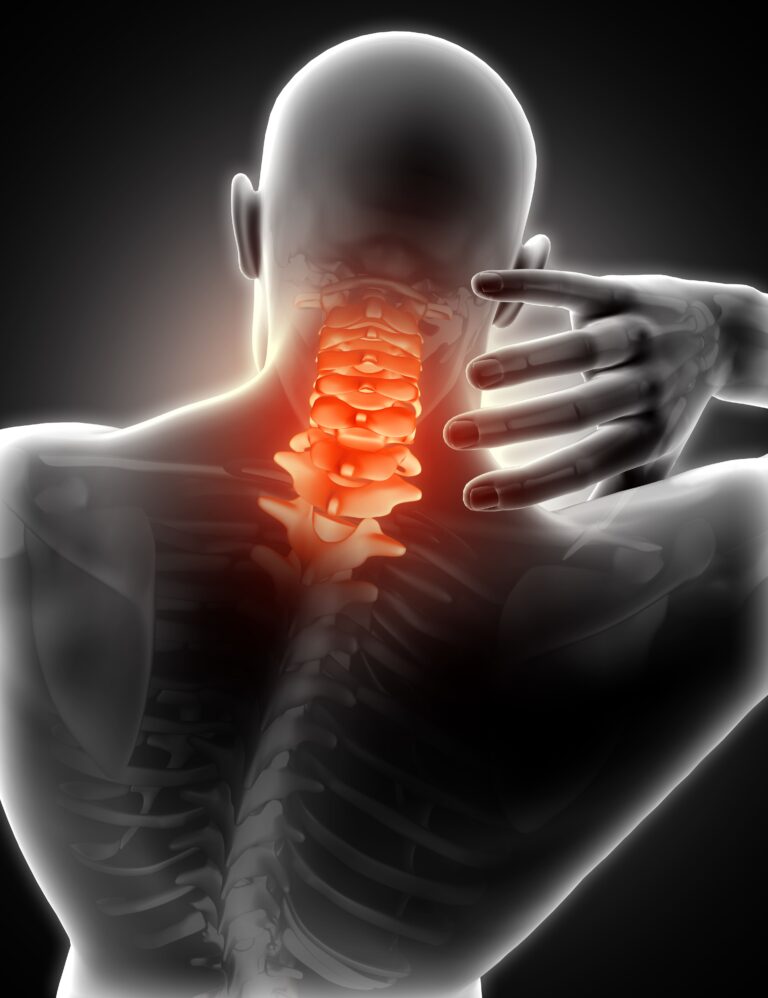
Neck pain is a common issue, and in many cases, it can improve with rest, physical therapy, posture changes, and medication. However, some individuals may begin to wonder, do I need neck surgery? Surgery is rarely the first step, but in certain situations, it becomes an important option to protect nerve function and restore quality of life. Knowing the difference can help you make confident decisions about your health.
What Causes Neck Pain?
The neck is made up of vertebrae, discs, nerves, and muscles that all work together to support your head and allow movement. When any of these structures become strained or damaged, pain and stiffness can occur. Conditions that may eventually lead to a discussion about surgery include:
- Herniated or bulging discs pressing on nerves
- Cervical spinal stenosis causing narrowing of the spinal canal
- Degenerative disc disease from aging or wear
- Bone spurs affecting nerve pathways
- Injury or trauma to the neck
Not all of these require surgery. Many people experience relief with conservative treatment when given enough time and the right care.
Signs You May Need to Consider Neck Surgery
Surgery is considered when pain or functional problems do not improve or when nerve compression becomes more serious. The following signs may indicate it is time to speak with a spine specialist:
Pain That Doesn’t Improve After Conservative Care
If your neck pain continues for 8 to 12 weeks or longer, even after physical therapy, medication, stretching, injections, or lifestyle changes, it may be time to explore other options.
Numbness, Tingling, or Arm Weakness
Radiating pain down the arms, tingling in the hands, or noticeable weakness when gripping objects can suggest pressure on the nerves. When nerve function is affected, surgery may help prevent long-term damage.
Difficulty with Coordination or Balance
In certain cases, spinal cord compression can affect walking, balance, or fine motor control, such as buttoning clothing. This is considered more urgent and should be evaluated promptly.
Pain Interfering with Daily Life
If pain makes it difficult to work, sleep, drive, or complete routine activities, relief becomes about more than just comfort—it becomes about living normally again.
Conservative Treatments to Try Before Surgery
Most treatment plans start with non-surgical options. These approaches aim to reduce inflammation, restore movement, and strengthen muscles that support the neck.
Physical Therapy
Therapists guide exercises that improve posture, strengthen stabilizing muscles, and increase flexibility.
Medications and Anti-Inflammatories
NSAIDs and muscle relaxers can reduce pain and help calm muscle spasms.
Injection Therapy
Steroid injections or nerve blocks can decrease inflammation and improve mobility.
Posture and Lifestyle Adjustments
Correcting workstation setups, limiting phone screen time, and choosing supportive pillows can make a meaningful difference.
These treatments often work, and surgery is only considered when symptoms persist despite committed effort over time.
When Surgery Becomes the Best Option
Surgery may be recommended if one or more of the following applies:
- Progressive nerve symptoms, such as worsening weakness
- Persistent pain that limits life activities
- Structural issues clearly visible on imaging tests
- Multiple conservative treatments have already been attempted
The goal of surgery is not simply to reduce pain but to protect nerves and prevent permanent loss of function.
Common Neck Surgery Options
Understanding your options can help reduce fear and confusion. Surgeons will recommend a procedure based on your specific condition.
Cervical Disc Replacement
A damaged disc is replaced with an artificial one, allowing the neck to keep its natural motion.
Cervical Spinal Fusion
Two or more vertebrae are joined together to reduce painful movement and stabilize the spine.
Foraminotomy or Nerve Decompression
Small areas of bone or tissue are removed to relieve pressure on nerves.
For a clear medical overview, visit the Mayo Clinic resource on cervical spine surgery:
https://www.mayoclinic.org/tests-procedures/pediatric-cervical-spine-surgery/about/pac-20385060
What to Expect from Recovery
Recovery time varies depending on the procedure and the individual. Most patients can:
- Return home the same day or next day for many minimally invasive procedures
- Begin guided physical therapy within weeks
- Resume normal activities gradually over a period of months
Your surgeon will provide personalized instructions to support healing and safe movement.
When to See a Spine Specialist
If your symptoms align with the signs discussed above, scheduling an evaluation is the best next step. A spine specialist can determine whether continued conservative care or surgical consultation is appropriate.
Get Personalized Neck Pain Care at ASAP
At Advanced Spine and Pain (ASAP), our providers focus on effective, patient-centered care. We begin with the least invasive treatment approaches and only consider surgery when medically necessary. Our goal is to help you move comfortably, confidently, and without fear.
To schedule a consultation, contact your nearest ASAP location or request an appointment online.