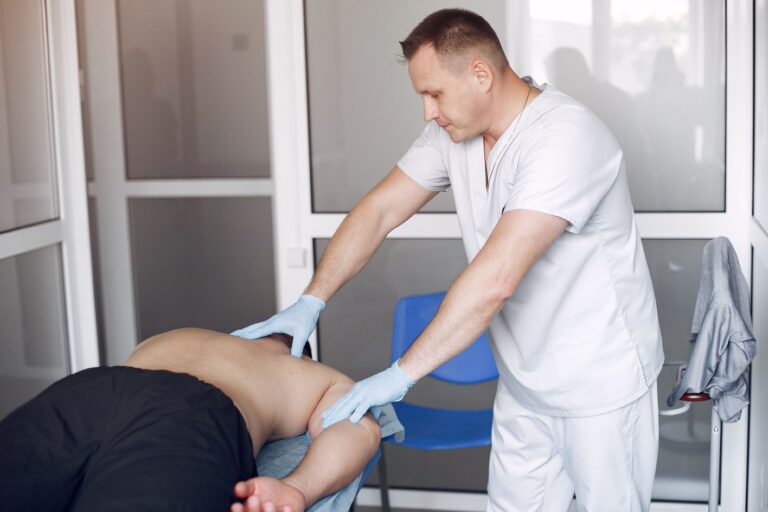
Lower back pain is one of the most common reasons people seek medical care. If you are wondering about lower back pain causes, you are not alone. Nearly everyone experiences it at some point, whether from daily habits, an injury, or an underlying condition. Understanding why your lower back hurts is the first step toward proper treatment and long-term relief.
Why Does My Lower Back Hurt?
The lower back, also known as the lumbar spine, supports most of your body weight. It also allows bending, twisting, and lifting. Because of this constant demand, it is especially vulnerable to strain and injury.
Lower back pain can appear suddenly after an activity or develop gradually over time. It may feel dull and achy or sharp and intense. In some cases, pain may spread into the hips or legs.
Understanding the most common lumbar pain causes can help you recognize what your body is telling you.
Common Lower Back Pain Causes
Muscle Strain and Soft-Tissue Injury
Muscle strain is the most frequent cause of lower back pain. It often happens due to lifting heavy objects, sudden movements, or overuse.
Even simple actions like bending awkwardly or prolonged sitting can overstretch muscles and ligaments. This type of pain usually feels sore, tight, or stiff and may worsen with movement.
Disc Issues: Herniated or Bulging Discs
Spinal discs act as cushions between the vertebrae. When a disc bulges or herniates, it can press on nearby nerves.
This often causes sharp pain, tingling, or numbness that may travel down one leg. Disc-related pain is a common reason people search for lower back pain causes score pain, especially when pain increases with sitting or bending.
Nerve Impingement and Sciatica
When nerves in the lower spine become compressed, pain can radiate from the lower back into the buttocks or legs. This is commonly known as sciatica.
Symptoms may include burning pain, weakness, or a pins-and-needles sensation. Nerve pain is often more intense and persistent than muscle-related discomfort.
Joint and Spine Conditions
Several structural conditions can lead to chronic lower back pain, including:
These conditions often worsen with age and may cause stiffness, reduced mobility, and pain during prolonged standing or walking.
Lower Back Pain Symptoms to Watch For
Lower back pain symptoms can vary widely depending on the cause. Common signs include:
- Persistent aching or stiffness
- Sharp pain with movement
- Pain that worsens after sitting or standing too long
- Reduced range of motion
- Pain that improves with rest but returns with activity
When Lower Back Pain Signals Something More Serious
While most lower back pain improves with time and conservative care, certain symptoms should not be ignored.
Seek medical evaluation if you experience:
- Pain lasting longer than two weeks
- Progressive weakness in the legs
- Numbness or tingling that worsens
- Difficulty walking or standing upright
- Loss of bladder or bowel control
These red flag signs may indicate nerve damage or a more serious spinal condition.
Lifestyle Factors That Contribute to Lumbar Pain
Daily habits play a significant role in lower back pain causes.
Poor posture, weak core muscles, lack of physical activity, excess weight, and repetitive movements all increase strain on the lumbar spine. Jobs that involve prolonged sitting or heavy lifting can also raise your risk.
Stress and poor sleep may contribute as well by increasing muscle tension and slowing recovery.
How Lower Back Pain Is Diagnosed
A proper diagnosis starts with a detailed medical history and physical exam. Your provider may assess posture, mobility, and muscle strength.
If needed, imaging such as X-rays or MRI scans can help identify disc problems, joint issues, or nerve compression. Accurate diagnosis allows for more effective and personalized treatment.
Treatment Options at Advanced Spine and Pain
At ASAP, we focus on identifying the root cause of your pain rather than masking symptoms.
Conservative Care Options
Many cases respond well to non-surgical treatments, including:
- Physical therapy and guided exercise programs
- Manual therapy and spinal mobilization
- Anti-inflammatory strategies
- Lifestyle and ergonomic guidance
You can learn more about recovery strategies in our article on lower back pain prevention and recovery.
Advanced Treatments When Needed
For persistent or severe pain, advanced options may include diagnostic imaging, targeted injections, or interventional pain management techniques.
Our goal is always to reduce pain, restore function, and help you return to daily activities safely.
When to See a Specialist
If your pain interferes with work, sleep, or quality of life, it is time to seek professional care. Early intervention often leads to faster recovery and helps prevent chronic issues.
Scheduling an evaluation at Advanced Spine and Pain allows our specialists to create a personalized plan based on your symptoms and goals.
Take Control of Your Lower Back Health
Lower back pain is common, but it does not have to control your life. By understanding lower back pain causes and recognizing warning signs early, you can take proactive steps toward lasting relief.
If you are experiencing ongoing discomfort or have questions about your symptoms, the team at ASAP is here to help you move forward with confidence.