
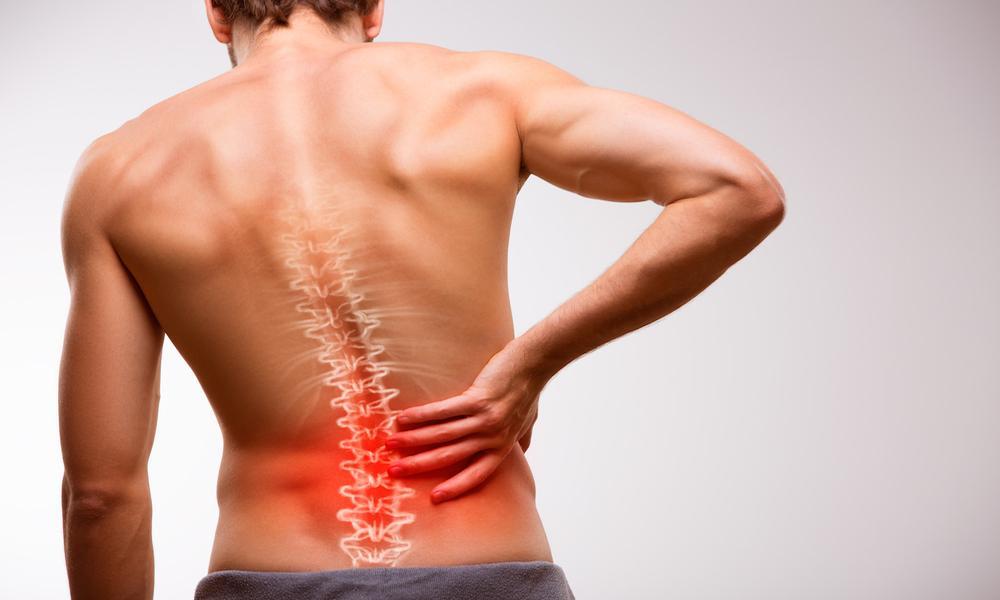
Low back pain is one of the most common medical problems Americans adults face. About 80% of adults will experience low back pain that lasts for six weeks or less — called acute low back pain — at least once. A smaller percentage will develop chronic low back pain, which lasts for longer than six weeks.
About 10% of chronic low back pain is discogenic, which means it’s related to the discs between your vertebrae. If your low back pain is discogenic, radiofrequency intradiscal biacuplasty (IBD) may be a treatment option. IBD is a specific type of radiofrequency ablation, which is a technique that heats up parts of the nerves causing your pain and stops them from sending pain signals.
An alternative to surgery
Often, discogenic pain is treated with surgical interventions such as spinal fusion or disc replacement. Such surgeries are invasive, require extensive recovery time, and are not always successful. IBD is a possible alternative that is far less invasive and has shown good results.
If you have a damaged disc between your vertebrae, you feel pain every time the vertebrae around that disc move. Torn or otherwise damaged discs are unlikely to heal. Removing the damaged disc and fusing two or more vertebrae together is the most common solution, but IDB offers another option.
IBD is nerve ablation inside the disc
Radiofrequency ablation uses energy to heat up the nerves that send pain signals and make them stop. IBD does the same thing, but to the nerves within the damaged disc. Along with the heating, IBD uses a cooling radiofrequency technology, which allows more nerves to be treated.
When you have IBD, your doctor places two electrodes on your damaged disc. Energy is delivered to stop the nerves from working, so they no longer send pain signals. Then the electrodes are cooled, and your doctor can continue working without damaging the healthy tissue.
The procedure is much less invasive than surgery and requires 1-2 days of recovery time, rather than several weeks. You may experience some swelling or discomfort, but far less than would be expected with spinal surgery.
Studies show IBD works
In 2013, researchers compared the results from patients treated with IBD with those of patients who received a sham treatment. Neither the researchers nor the patients knew who was getting which treatment. The results showed that IBD helped many of the participants who received it.
Twelve months after the 2013 study, the researchers followed up with the patients who’d gotten IBD and learned that they still had less pain than before the treatments. Another study compared conservative conventional treatment, such as anti-inflammatory medications and rehabilitation, to conservative conventional treatment plus IBD. The patients who received both conservative conventional treatment and IBD had better results.
The team at Advanced Spine and Pain specialize in pain management, including low back pain, and they stay at the forefront of new techniques and developments that could benefit you. If you’re interested in IBD and would like to learn whether or not you’re a candidate, schedule a consultation today by calling one of our offices or clicking the “appointment request” button.
]]>