Most people have heard of a herniated disc, but how well do you understand the condition? It’s not as simple as it sounds, because the pain and discomfort of a herniated or bulging disc can affect either your cervical (upper) or lumbar (lower) spine.
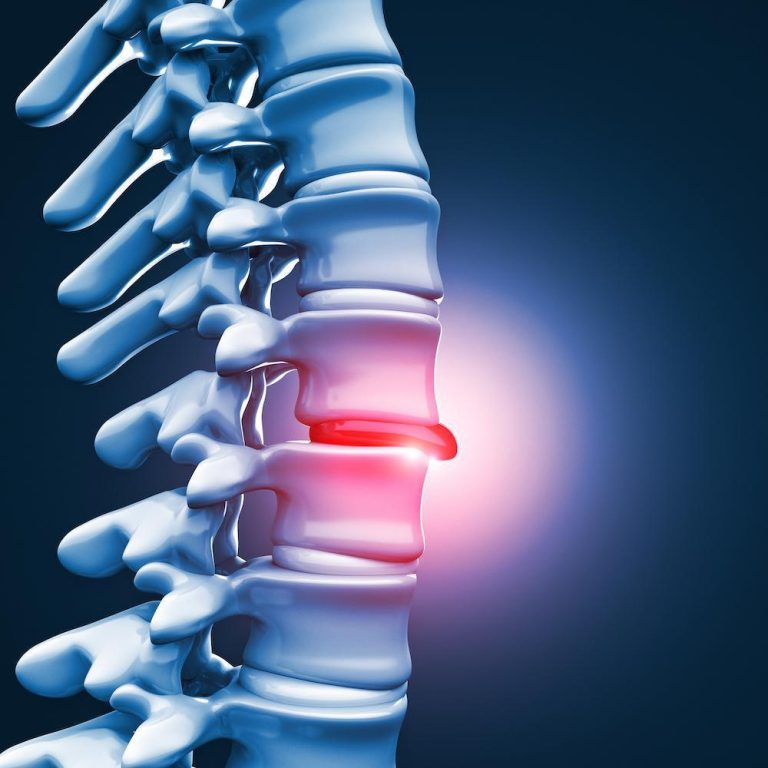
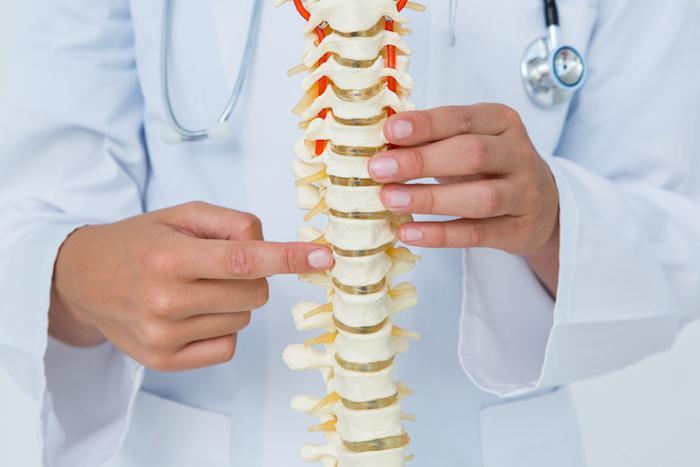
First, it helps to understand what your discs are and what they do. They’re soft cushions that act as shock absorbers for your vertebrae. When the jelly-like part of your disc shifts and places pressure on a nerve root extending from your spinal cord, pain results, and it can be excruciating.
The talented orthopedics team at Advanced Spine and Pain has extensive experience treating patients living with herniated discs. Through thorough evaluation and detailed discussion about how your condition developed, they can create a customized treatment plan for you that addresses your pain and limited movement.
How do I know if I have a herniated disc?
You may not be aware if you have a herniated disc because sometimes the condition causes no symptoms — if you’re lucky. However, some aren’t so fortunate, and pain and stiffness are constant reminders that their aging discs have become brittle or that their traumatic injury did some real damage.
Symptoms can differ depending on what part of your spine is affected by a herniated disc, so we’ve compiled a list of five signs of a herniated disc — some are hallmarks, others more unusual:
1. If a disc is herniated in your cervical spine, you may feel sharp, shooting pain throughout your arm, as well as pain and loss of sensation in your fingers, forearm, or elbow. Pain can even emerge in your neck or your shoulder blade.
2. If you suffer from a lumbar spine herniated disc, you notice weakness, numbness, and pain in the lower half of your body: hip, buttocks, leg, calf, and even the sole of your foot.
3. Any jarring motion, even if it’s brief, such as a sneeze or a cough, can cause a wave of pain that’s indicative of a herniated disc.
4. Because of pressure on your nerve, you may find it impossible to stay in any one position for too long before pain erupts.
5. A burning sensation, numbness, and tingling can also be signs of a herniated disc, in addition to pain.
Whether you’re experiencing one or two of these symptoms or more, this is no way to live. It’s time to seek treatment when symptoms are causing chronic pain and limited mobility.
What treatments can help with my herniated disc?
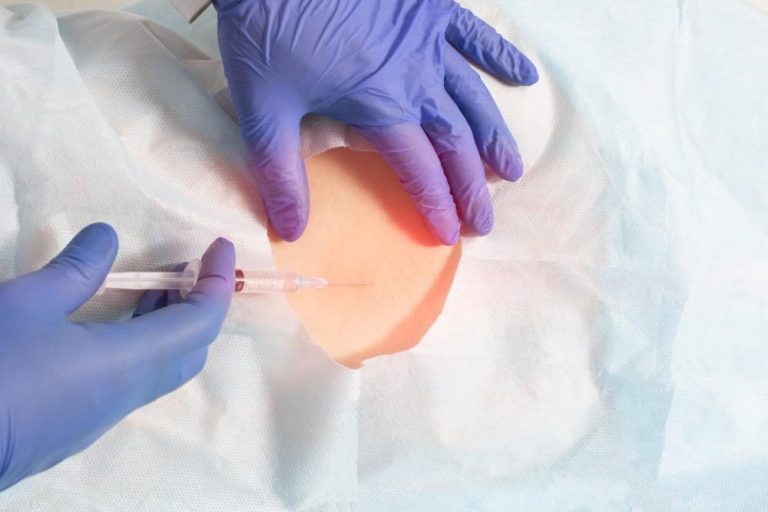
Fortunately, we’ve got treatment options that can relieve your herniated disc discomfort. We might first suggest a conservative approach, like medications or a course of physical therapy. Epidural steroid injections are another option that can rid you of pain for several months.
If none of these treatments resolve your pain and limited movement, we may recommend a surgical solution. We offer two options: microdiscectomy and laser endoscopic discectomy.
With microdiscectomy, we make several small incisions right over your herniated disc. We then remove disc material with specially designed surgical instruments and the aid of a small microscope to solve your pain problem, and we can also correct other problems that we observe. After the procedure, you return home the same day and feel relief quickly.
The other surgical approach is laser endoscopic discectomy, where we make a single small incision in the area of your herniated disc. We then place a thin tube with a tiny camera in it through your incision so we can see your disc clearly. Then we’re able to remove unwanted disc pieces that are compressing your nerve and causing pain.
This is also an outpatient procedure that many patients say provides noticeable, speedy relief from herniated disc symptoms.
We favor minimally invasive procedures because they’re associated with faster healing, less pain, bleeding, and scarring, and a lower risk for post-surgical infection.
If you suspect you have a herniated disc, contact the ASAP office nearest you to schedule an appointment, or book one online.
]]>