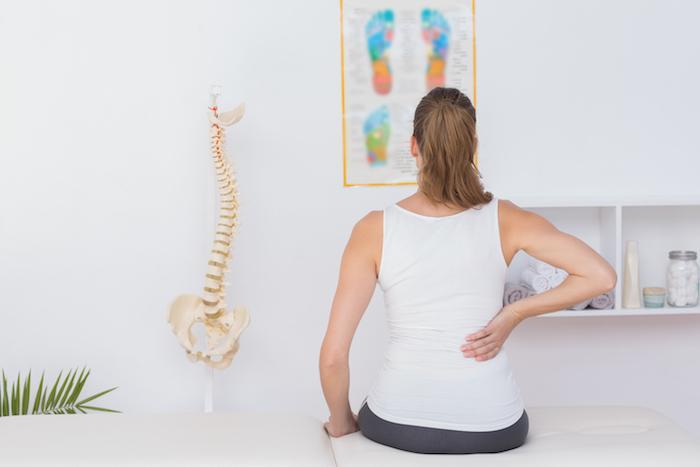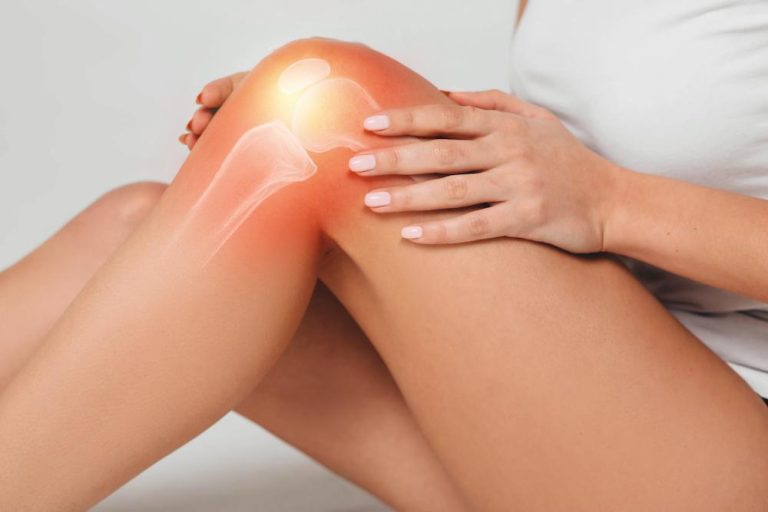

Here’s a fact many aren’t aware of: The sciatic nerve that runs the lower part of the back down both legs to below the knees is the body’s longest and thickest nerve.
Sciatica is pain caused by either pressure on the sciatic nerve or trauma to it from an injury, like a vertebral disc that ruptures. The condition affects up to 40% of adults, most typically when they’re in their forties and fifties.
Sciatica pain can be life-limiting, and the highly skilled and caring team at Advanced Spine and Pain offers a range of treatments for sciatica pain, from medications and physical therapy to steroid injections.
A question we often get from patients is when to start thinking about injections to treat their sciatica symptoms. At ASAP, our providers carefully consider your treatment options and customize them to your specific symptoms, ensuring that you receive the best care for you.
Sciatica and its effects on your wellbeing
If you live with sciatica, you know the symptoms can be pretty painful, and they can limit your mobility as well. Sciatica sufferers often complain of pain on one side of their body that can run from their lower back all the way down to their toes, as well as:
- A “pins and needles” sensation
- Loss of sensation
- Inflammation
- Muscle weakness
Unfortunately, sciatica pain can be dull or sharp and may flare up after standing, sitting, laughing, coughing, sneezing, or walking. These instances illustrate just how much sciatica can interfere with your daily life. Pain can also become so severe that it may become impossible to be very active at all.
Should I get injections for sciatica pain?
If you and your ASAP doctor have tried treatments like exercises, heat and cold therapy, oral medications, and physical therapy, all to no avail, it may be time to consider the minimally invasive option of steroid injections. This treatment delivers a combination of anti-inflammatory steroids and a local anesthetic to your targeted treatment area.
There are several types of these injections, and we consider the location of your pain to determine which one will be best for you.
When administering a steroid injection, we typically target your spinal cord and nerve roots in your lower back. At ASAP, we ensure you’re comfortable when you come for treatment and administer a local anesthetic in the area where you’ll receive the injection to numb it.
The injection process is brief, usually 10 or 15 minutes, and if you need more than one injection, your appointment will take a bit longer. After you receive your injection, you rest comfortably, and we make sure you don’t have any reaction to treatment. Afterward, you can go home and use a cold compress to relieve discomfort at the injection site.
The benefits of steroid injections
Steroid injections are effective because they cause your body to reduce the amount of inflammatory chemicals, and they make your nerve fibers less sensitive to pain. Not as many pain signals are generated, so you feel relief. In addition, your lower back and legs function better, and your mobility improves.
For some patients, steroid injections provide instant relief, but it’s also normal to feel improvement anywhere from two to four days after the procedure. Don’t be worried if you experience an increase in pain right after your injection either; that’s normal for some patients.
Another benefit of steroid injection treatment is that you and your doctor no longer have to be concerned about the risks associated with using pain medications.
If your pain and movement problems ease after a steroid injection, you and your ASAP doctor determine if and when you need another. Steroid injection results last for several months.
No matter which treatment you choose to address your sciatica, you must seek treatment.
Complications from untreated chronic sciatica include bowel and bladder problems, intensification of pain, worsening of muscle weakness, and drop foot, a problem that renders you unable to lift the front part of your foot. Drop foot makes walking difficult, if not impossible, and makes you more prone to falls.
Don’t live with sciatica pain and problems any longer. Call the ASAP office closest to you to schedule a consultation, or book one with us online.