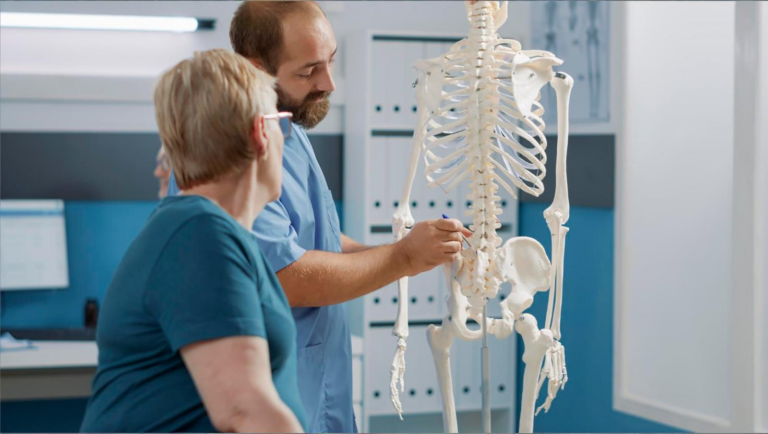
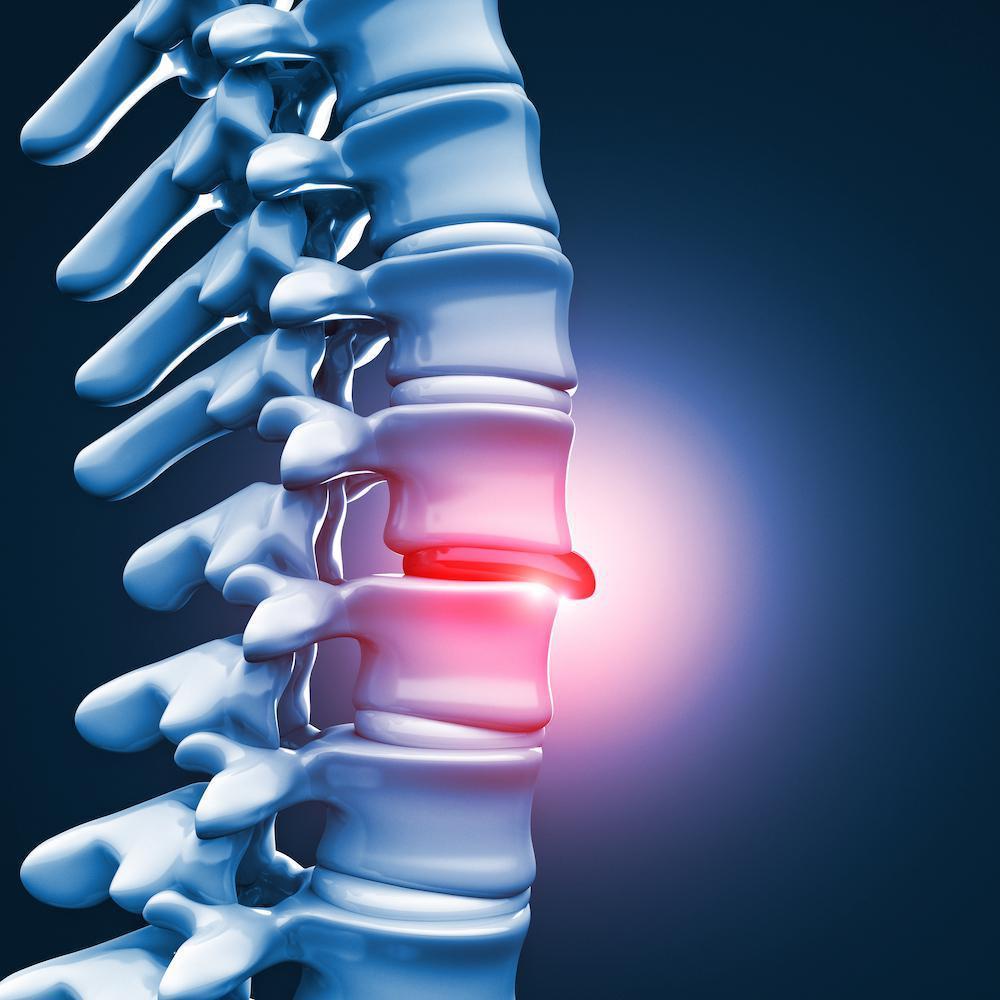
The most relatable way to describe your discs’ jobs is that they work like shock absorbers for your spine. Round and soft, they provide cushioning, but their outer layers are tough and sturdy. They are located between each of your vertebrae.
One of the most common and painful problems people experience is a herniated disc, which can happen anywhere along your spine. This is when the disc leaks or tears due to trauma, age, stress, or disease.
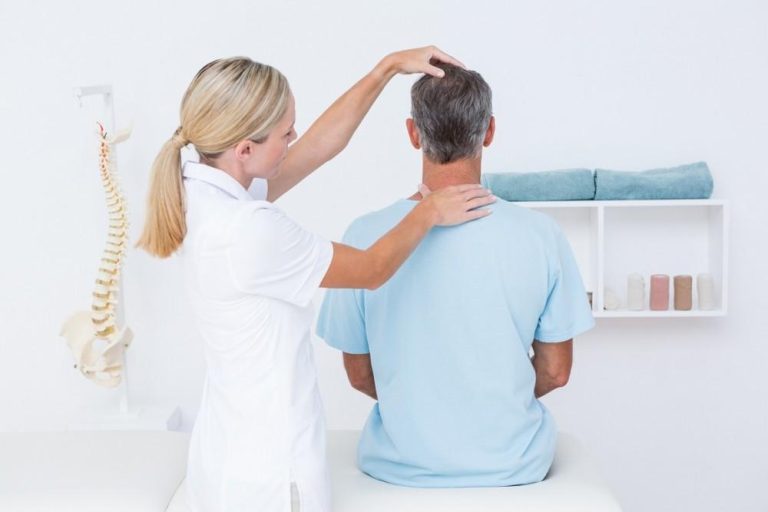
Our expert care team at Advanced Spine and Pain offers the most advanced treatments for herniated discs and a wide range of other orthopedic conditions, from sciatica to scoliosis. You can rest assured that the treatment plan we create for you will be customized and complemented by of one-on-one consultations and the most advanced treatments to relieve your pain and restore your mobility.
More about your discs
Up to 2% of the population suffers from a herniated disc each year, and the problem isn’t only painful; it’s limiting. The discs allow your spine to bend and stretch, but with a herniated disc, your mobility can become compromised, and your overall quality of life suffers.
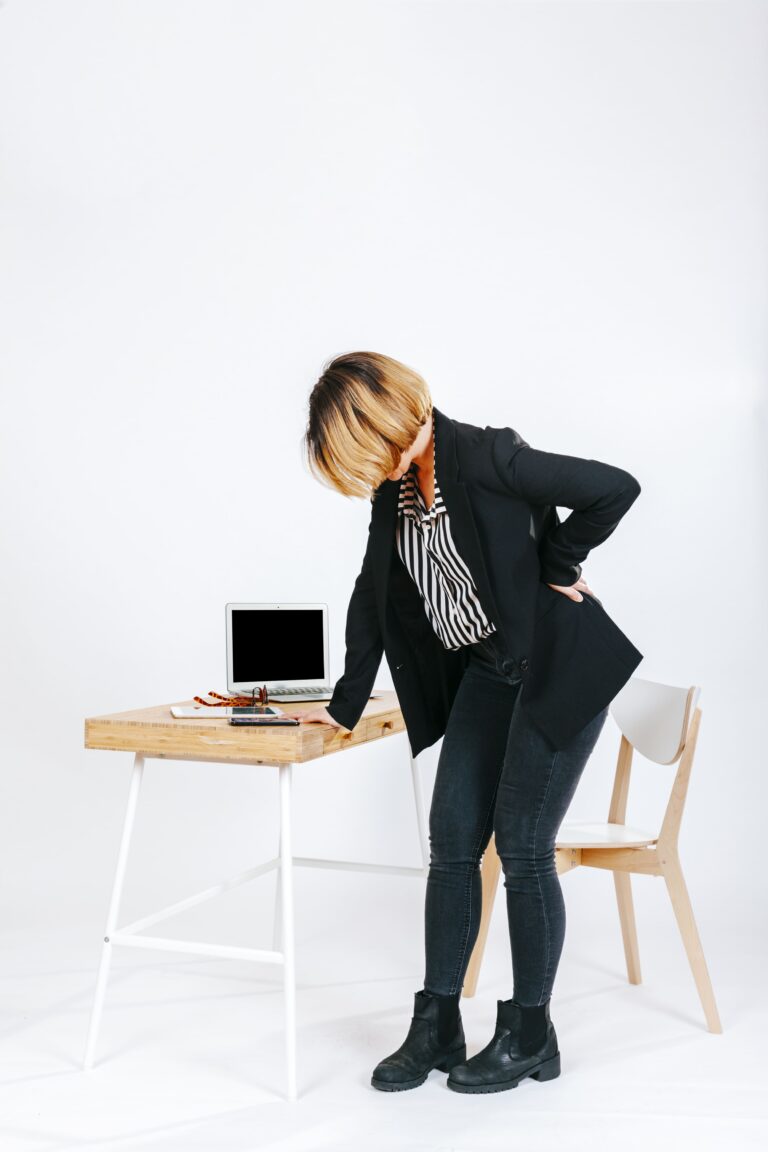
A herniation happens when your disc forms a bulge at its center, which puts pressure on your spinal cord or nerves. The resulting pain ranges from mild to debilitating. Unfortunately, a herniated disc can happen anywhere, but your neck and lower back areas are most often affected.
You’re more likely to get a herniated disc if you’re older, overweight, or a smoker. Sitting in one position for long periods and lifting heavy objects or twisting awkwardly also make you more prone to a herniated disc.
Symptoms of a herniated disc affect more than just the back
Herniated disc pain is often not localized. Depending on whether your herniated disc is located in your upper, middle, or lower back, you can suffer pain, numbness, and tingling in places like your neck, arms, rib cage, abdomen, legs, and even the soles of your feet — in addition to your back.
Radiculopathy, a condition that causes pain, tingling, and loss of sensation because of a pinched nerve root, can also develop
What habits and activities exacerbate herniated disc pain?
Your symptoms may intensify by performing certain activities like sports or repetitive movements, but unexpected movements, like those caused by a sudden sneeze or a coughing fit, can really ratchet up the pain of a herniated disc. Sitting, bending forward, and even driving may also make you hurt more.
The thing that all of these movements have in common is that they put increased pressure on the nerve.
Can treatment bring relief for herniated disc pain?
Fortunately, yes, but the treatment your provider chooses for you depends on the severity of your symptoms.
Initially, we may recommend conservative treatments, like medication or a course of physical therapy. An epidural is another option. This is when we administer an injection containing both steroids and an anesthetic to reduce inflammation and provide pain relief.
Sometimes surgical intervention is necessary, but these minimally invasive procedures are often outpatient ones and offer relief when other options have failed:
Microdiscectomy
During this procedure, we takes out the part of your disc that is causing pain and other problems with the help of a microscope and specially designed surgical tools that he uses to access your treatment area through several small incisions. We also have the opportunity to make any other corrections needed while performing this surgery.
Patients report that pain is relieved and mobility restored very quickly following post-procedure healing.
Laser endoscopic discectomy
This is also a minimally invasive procedure, where we make a small incision to access the affected disc. We work through a narrow tube equipped with a small camera inserted into the incision.
After removing any disc material that’s causing pain and putting pressure on your nerve, we close the incision, and healing starts. Many feel virtually instant relief after this surgery.
Don’t endure the pain and life limitations brought on by a herniated disc any longer. Call the Advanced Spine and Pain office nearest to you and schedule a consultation about the treatment that’s right for you, or book an appointment online.
]]>