
Your spine has little “shock absorbers,” cushion-like discs that nestle between each vertebra to soften the force on your back when you walk, run, jump, and more.
Unfortunately, daily wear and tear, age, and excess weight can damage them. Playing sports and traumatic injuries also cause disc pain.
Herniated discs are common and typically occur in the neck or lower back area. When a disc bulges or ruptures, part of its soft core passes through a tear or vulnerable part of the tough outer core, which leads to nerve compression, pain, and mobility problems.
Fortunately, our team at Advanced Spine and Pain (ASAP) has you covered. Not only do we consider your specific symptoms when creating a customized treatment plan, but we also complement our expertise with sensitivity and compassion.
I have a herniated disc — now what?
If you’re between 30 and 50, you’re at high risk for a herniated disc, but it doesn’t mean you’re immune if you fall outside this age range.
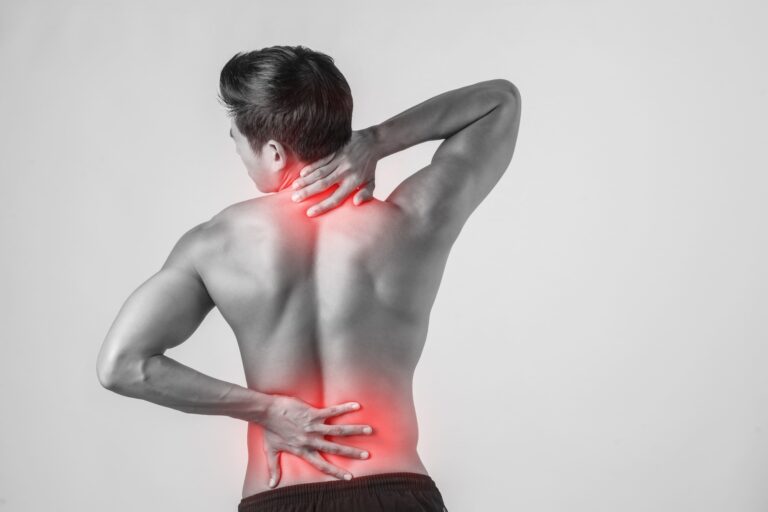
A slipped, ruptured, or herniated disc in the lower back can cause tingling, numbness, and pain in your feet or leg, hips, buttocks, and even the soles of your feet. You may also experience muscle weakness.
If your damaged disc is in your neck area, expect pain in your neck and shoulder blade area and discomfort, weakness, and tingling that can travel down your arm to your hands and fingers. The symptoms might worsen when you bend your neck or twist your body.
Sitting for long periods without changing position, being overweight or obese, and smoking increase your risk of a herniated disc, so addressing those issues can help you prevent the problem. Other disc risks include jobs that require you to lift heavy objects or twist frequently and sports that involve forceful contact and spinal contortions.
Fortunately, we have a treatment arsenal to combat a painful herniated disc, including:
- Pain medications
- Physical therapy
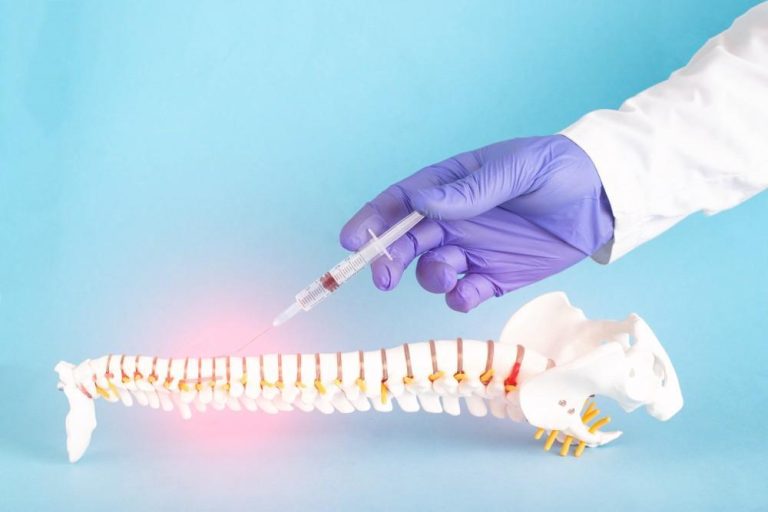
- Epidural steroid injections, which can provide relief for several months
If and when these options don’t provide adequate relief, we may recommend a surgical solution called a microdiscectomy.
Microdiscectomy: A powerful herniated disc treatment option
After making small incisions in the area above your herniated disc, we use specially designed surgical instruments and a laser to remove the damaged disc material causing nerve compression, persistent pain, and limited movement.
Microdiscectomy has multiple benefits; here are the top 5:
1. Microdiscectomy is a minimally invasive surgery
This type of procedure is much less traumatic to your body. Since it requires only tiny incisions, you heal faster and experience less pain, bleeding, and scarring than traditional open surgery.
2. With microdiscectomy, you can be back home quickly
Because this procedure is less invasive than surgery, it’s an outpatient procedure, and you can be back in the comfort of your home on the same day as your microdiscectomy.
3. Microdiscectomy success rates are impressive
The microdiscectomy success rate is generally high. One significant study found that 84% of those who underwent microdiscectomy reported good or excellent results, and the procedure resolved their herniated disc pain and mobility limitations.
4. Microdiscectomy offers quick recovery time
Microdiscectomy doesn’t put you out of commission for months. You can expect to move easily after about two to four weeks and recover completely in about eight weeks.
5. Microdiscectomy works
You’ll want to jump up and down with joy and relief when the microdiscectomy eliminates your agonizing herniated disc pain. But you’ll do more than jump; you’ll dance, play sports, and do many other things comfortably again.
Trust our Advanced Spine and Pain team to find a lasting solution to your disc pain so you can enjoy an active life again. Microdiscectomy may be the solution for you.
Contact the ASAP office most convenient to you and schedule a consultation if you’re struggling with herniated disc symptoms, or book an appointment online.
]]>