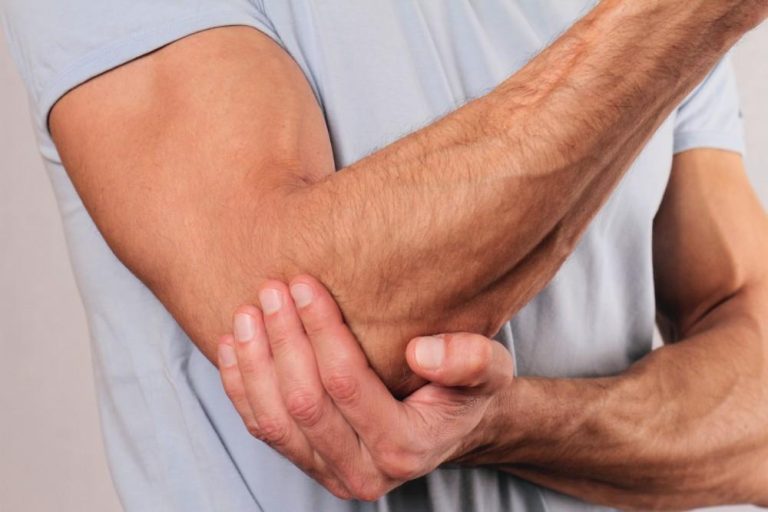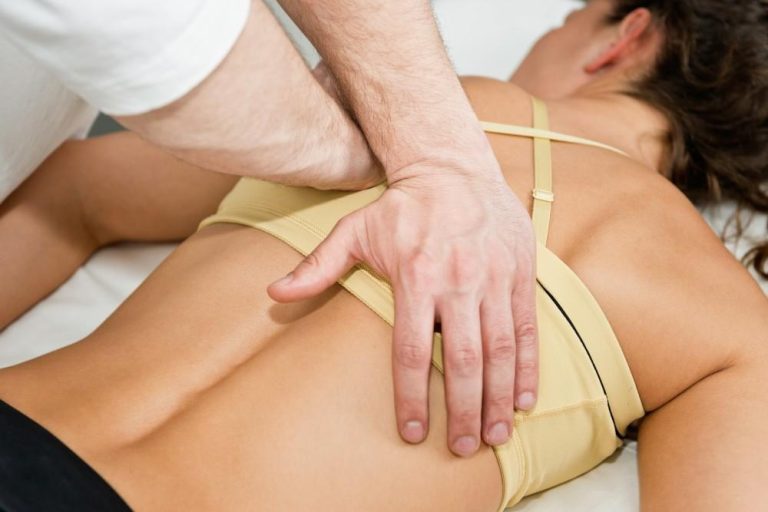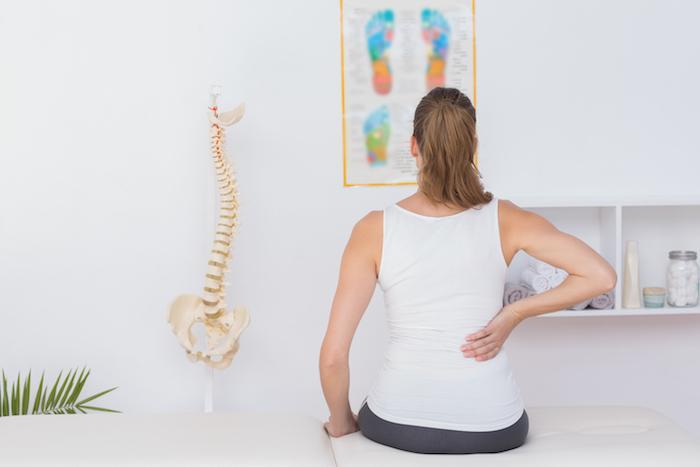
An orthopedics expert has many arrows in their treatment quiver for conditions like arthritis, sports injuries, and post-surgical pain, but an innovative one that’s proving successful for many uses is platelet-rich plasma therapy or PRP.
PRP is a type of regenerative medicine, an exciting area of treatment that harnesses the body’s own capabilities to hasten healing.
The provider team at Advanced Spine and Pain offers PRP therapy to many patients and sees its efficacy consistently. Their investment in relieving their patients’ pain and mobility issues is deep, and you can count on the team’s expertise and creativity in crafting a customized treatment plan for you.
Is PRP therapy effective?
Yes! There are many benefits to patients treated with PRP therapy, and it is appropriate for a wide range of conditions, including tendon, muscle, ligament injuries, knee osteoarthritis, and bone fractures. PRP also aids with post-surgical recovery.
Platelets in your blood are the “magic ingredient” — they have healing superpowers. Your blood contains red cells, white cells, and these protein-rich platelets, which enable your blood to clot — essential for healing from an injury.
What happens during a PRP therapy treatment session?
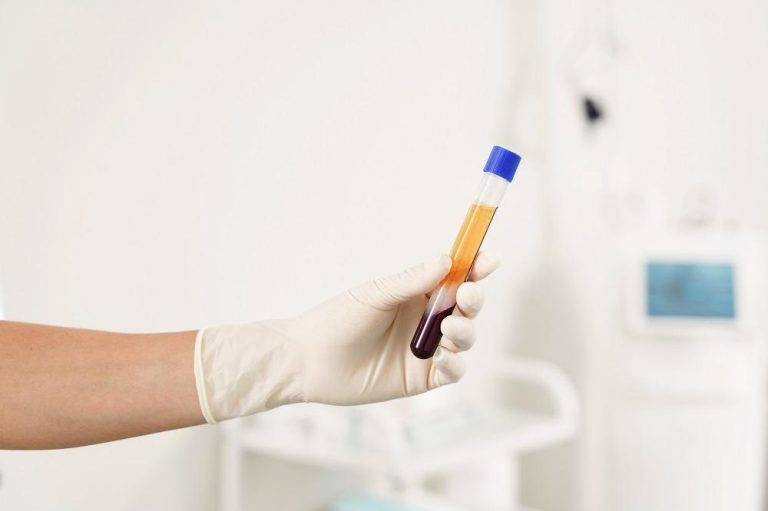
Many patients are surprised at how quick, comfortable, and easy PRP treatment is. When you arrive for treatment, your ASAP provider draws a small amount of blood and places it in a centrifuge. It spins the blood and isolates the individual components, allowing us to extract only platelets and the liquid plasma.
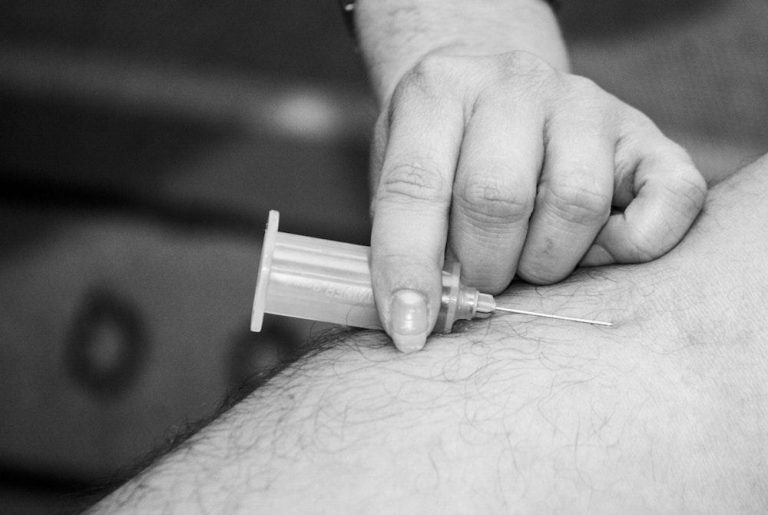
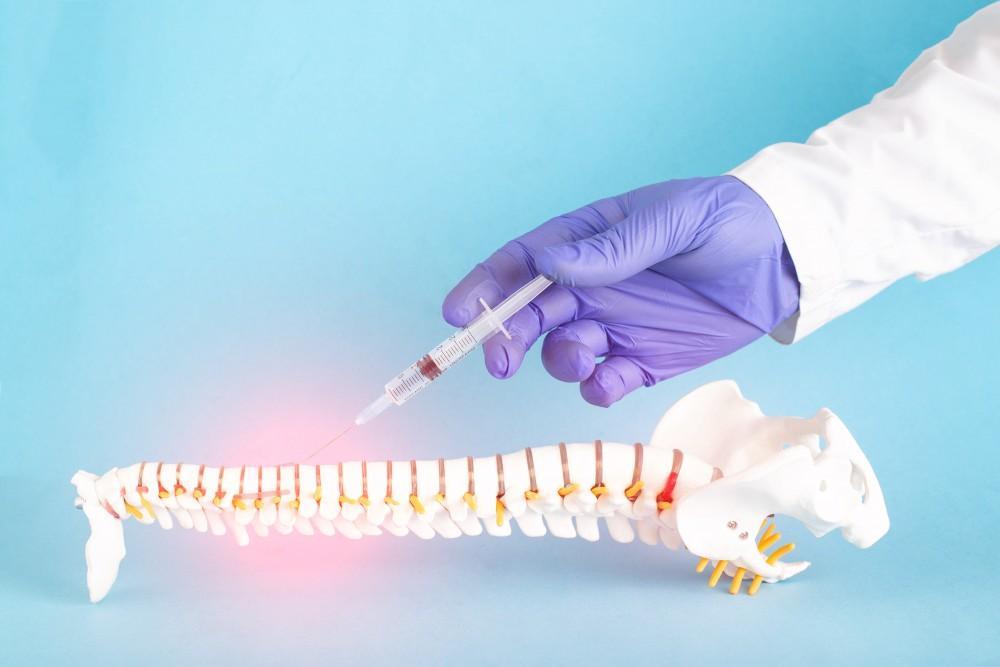
Depending on your condition, we either reinject the plasma into your treatment area using a local anesthetic to ensure your comfort, or, for those recovering from surgery, we can also apply the PRP right into the tissues where your procedure was done to optimize your healing as you recuperate.
Once the platelets meet the damaged tissue, they release growth factors that accelerate healing and reduce inflammation, so you recover faster.
Our patients have enthusiastically embraced PRP therapy thanks to its many benefits:
- Safe and minimally invasive
- Accelerates healing
- Reduces inflammation
- Relieves pain
- Complements other treatments, like physical therapy
- Drug-free
You may experience temporary post-treatment discomfort after your PRP injection, but it dissipates in a few days.
Call the Advanced Spine and Pain location that’s most convenient to you and schedule an appointment to learn more about PRP therapy, or contact us online.
]]>