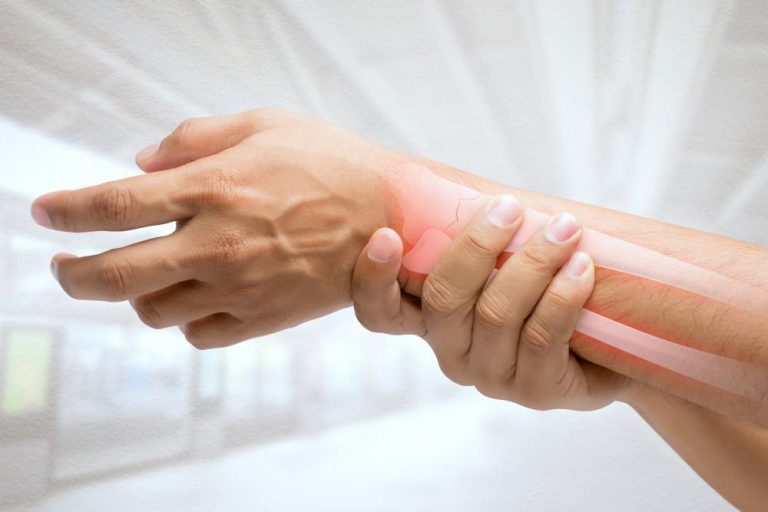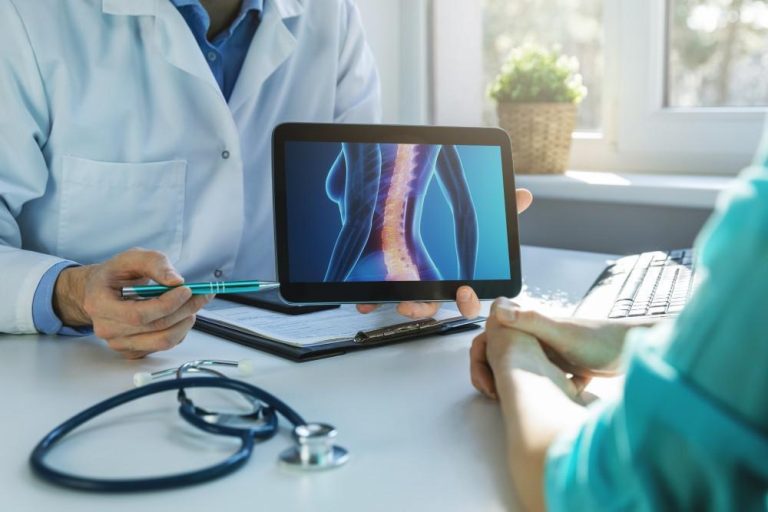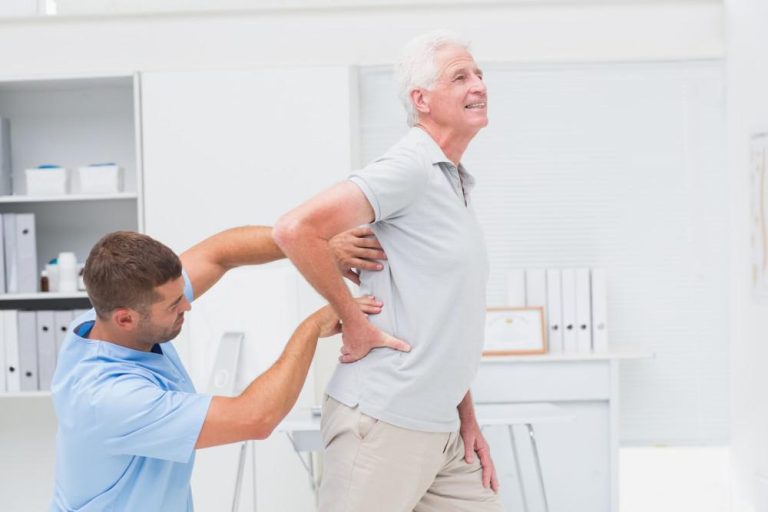
Have you been felled by mild to intense upper or lower back, shoulder blade, and neck pain, or even pain or numbness down your arm? Does it affect your elbow, fingers, or forearm? What about lower back discomfort and pain, loss of sensation, or weakness in your hip, buttocks, leg, or foot?
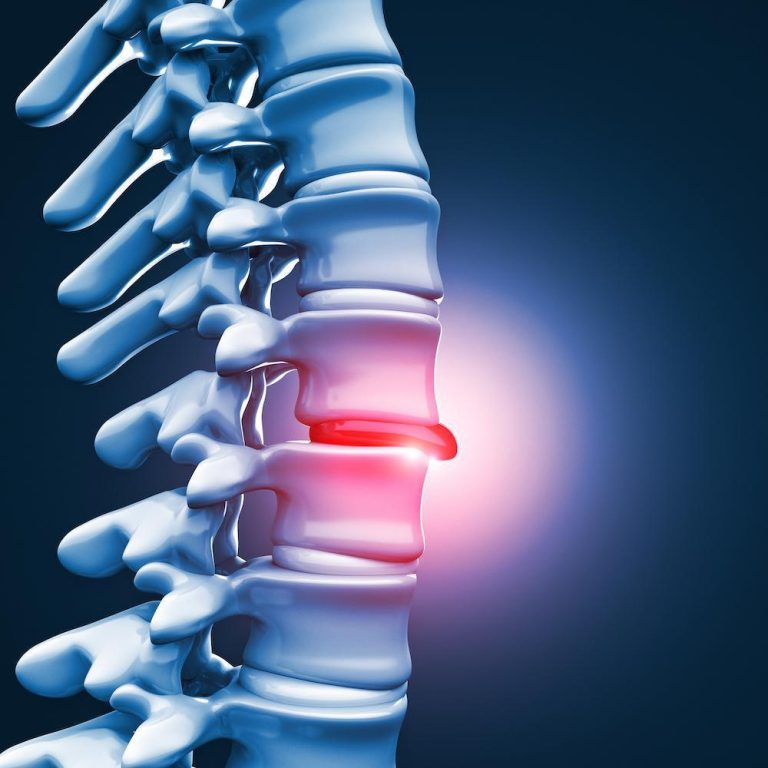
Believe it or not, all of these symptoms point to a herniated disc (the cushiony “donuts” between your vertebrae) when the bulging disc puts pressure on your spinal cord or nerves.
Fortunately, the orthopedics specialists at Advanced Spine and Pain are experts at performing microdiscectomy, a procedure that involves removing some of the excess disc material that’s causing pain and discomfort — which can become so bad that your everyday activities and movement become very limited. It’s time for treatment when a cough or a sneeze sends you into agony, which can happen with a herniated disc.
A look at the disc
As we noted, your discs perform a critical job. They act as shock absorbers and allow your spine to bend and stretch, so you can move in many different ways, from walking and running to leaping.
The problem is that as you age, the discs weaken, dry out, and deteriorate, leaving you vulnerable to a host of painful conditions, including herniated discs and spinal stenosis, when the spaces surrounding your discs narrow.
Unfortunately, the debilitating symptoms of a herniated disc can worsen when you sit, change your position, or bend.
You’re not alone if you’ve been diagnosed with a herniated disc. Most people over 40 have disc degeneration that can lead to herniation, and about 5% of them suffer from symptoms.
A surgical solution for a herniated disc: Microdiscectomy
If other, more conservative methods have failed, your ASAP provider may recommend a microdiscectomy to treat your herniated disc. These would include pain medication and physical therapy.
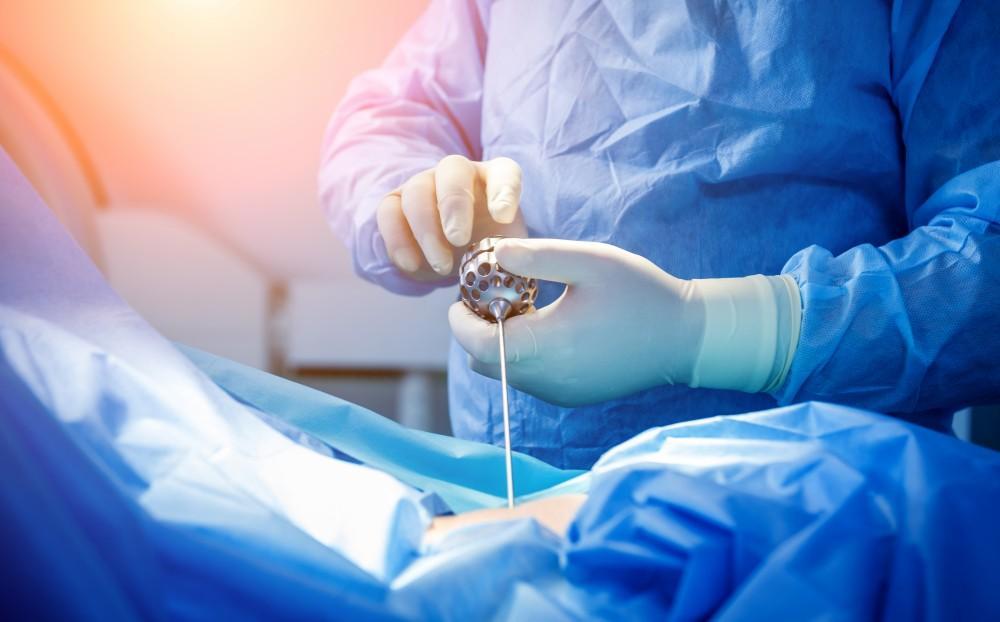
This minimally invasive procedure involves your surgeon making small incisions above your affected discs so they can remove disc material that’s compressing your disc and causing pain. They do this with the aid of a microscope and sophisticated laser technology.
Your surgeon can also troubleshoot and address any other potential problems before closing the incisions.
Many patients are pleasantly surprised to learn that the outpatient procedure is minimally invasive, meaning that because of the small incisions, they experience a faster recovery and less pain, bleeding, and scarring. There’s also a lower risk of post-surgical infection with these procedures.
Risks associated with a microdiscectomy
Like all surgical procedures, microdiscectomy involves a certain level of risk. Unfortunately, sometimes disc herniation recurs, and there is a risk of nerve damage. Your ASAP surgeon discusses minimizing those risks since microdiscectomy is considered safe and post-procedure complications are uncommon.
A microdiscectomy has lower risks of post-surgical bleeding and infection because the surgery is minimally invasive, requiring only small incisions that don’t require your surgeon to slice through muscle or tissue. Less trauma means less pain, immediate relief, and a faster recovery than traditional surgery, so the benefits outweigh the risks.
To reduce your chance of a recurrence, your doctor will discuss ways to minimize your herniated disc risk, including keeping your weight in check, avoiding smoking, using the correct form, and being careful if you work in a physically demanding job.
Call the Advanced Spine and Pain office closest to you and schedule an appointment if your herniated disc pain has worsened. You can also reach out to us through our website.
]]>