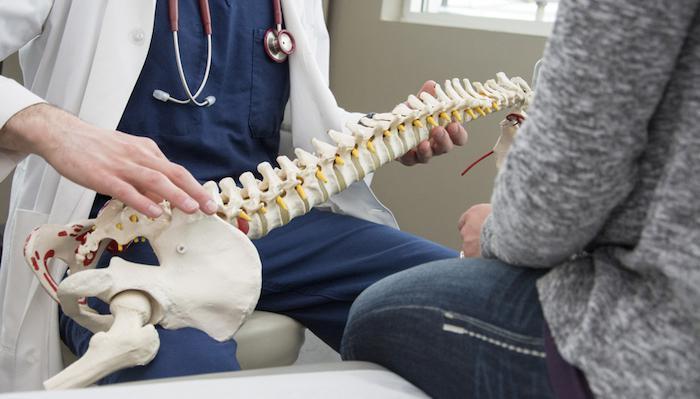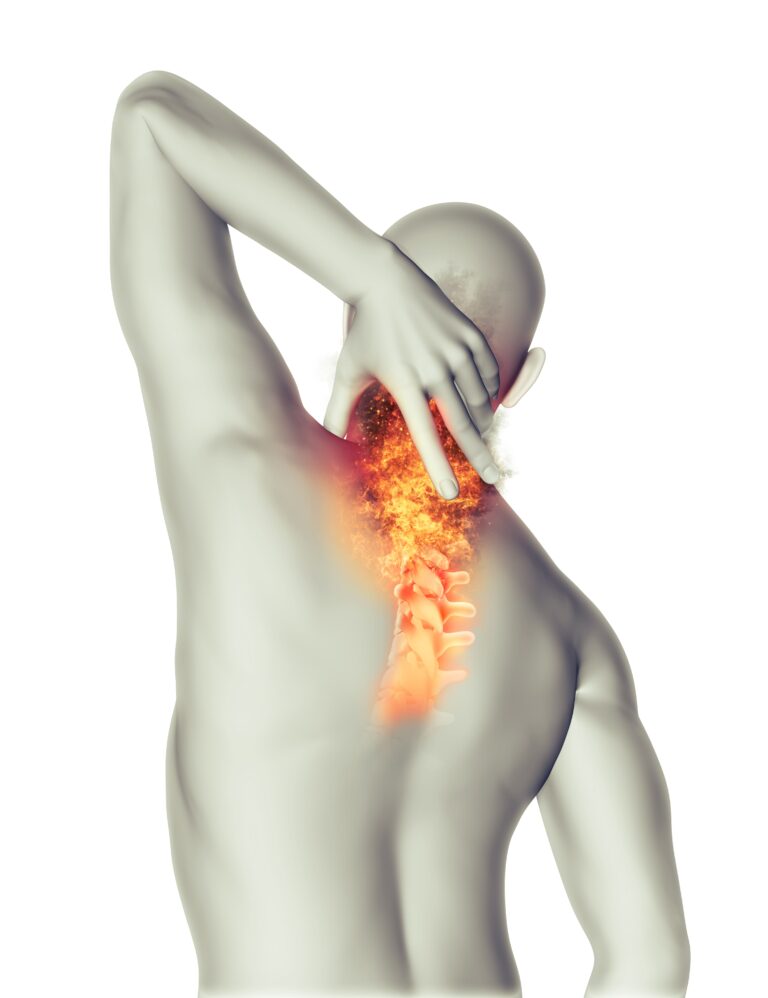
You may know that scoliosis is a disorder where the spine develops a C- or S-shaped curvature, but many don’t realize that girls receive the diagnosis much more frequently than boys.
Most scoliosis is idiopathic (80-85% of cases), meaning that the exact cause of the problem can’t be determined, but here we delve into why females are more likely to live with scoliosis.
Dr. Randy Davis, Dr. Brian Lee, and our entire care team at Advanced Spine and Pain provide compassionate and expert care for all patients challenged by scoliosis and particular sensitivity to diagnosed girls and their concerned parents. We’re for families throughout the care journey.
Our aim is to provide the most cutting-edge scoliosis treatments and to customize treatment plans for each patient so they can be relieved of pain and enjoy the freedom of movement again.
What does a scoliosis diagnosis mean?
Scoliosis manifests in different ways, but the most common symptoms include:
- An asymmetrical, uneven appearance at the shoulders and hips due to spine curvature
- Worsening spine curvature over time, especially as a result of growth spurts
- Clothing may hang unevenly due to curvature
- Lower back pain and limited mobility
- The spine can twist inward as the condition progresses
- In severe cases, trouble breathing and heart and lung issues
It’s easy to understand that when a child or adolescent is dealing with symptoms like these, they are nothing short of life-altering. Depression has been linked to scoliosis, which is understandable since the condition is painful and limiting in and of itself, but treatments or surgery can also pose emotional challenges for young women and girls.
Reasons that girls are more often diagnosed with scoliosis
Initially, similar numbers of boys and girls are diagnosed with mild scoliosis in the 10-15-year-old age group, but girls’ scoliosis curves are 10 times more likely to worsen and may require treatment.
Some theories have been put forward about why this is. One hypothesis is that the intense growth spurt that girls experience prior to puberty may contribute to the higher rate of scoliosis in girls. Also, girls who are taller than their peers are at higher risk for scoliosis.
Another is that the hormone leptin, which signals to your brain that your appetite has been satisfied, may somehow be connected to the development of scoliosis.
Leptin impacts the Sympathetic Nervous System (SNS), and studies have reflected that lower leptin levels are connected to low body mass index (BMI). Low BMI has been associated with idiopathic scoliosis diagnosed in females. Leptin can also fuel spinal changes and contribute to a girl becoming skeletally mature more quickly.
Finally, some researchers have posited that how a girl’s autonomic nervous system (ANS), which manages the functions of the internal organs, works in conjunction with the endocrine system is linked to female idiopathic scoliosis development. Puberty’s onset and skeletal growth are both impacted by this.
It’s important to remember that these are all theories and that further study is necessary to confirm them. We may also make additional discoveries about girls and scoliosis along the way.
Treatments for girls with scoliosis
If your daughter has been diagnosed with scoliosis, we want to answer all your questions and create a treatment plan tailored to her symptoms and needs. We strive to restore your daughter’s movement, eliminate pain, and improve her balance by straightening her spine effectively.
If her curvature is mild, we may recommend a brace but will advise her on how and when to wear it.
If she has severe curvature, a surgical solution may be the answer, but these procedures are minimally invasive, and patients heal faster and experience less pain, bleeding, and scarring than with traditional surgery.
We make a few small incisions and place metallic implants along points in the spine so that the vertebrae are realigned, improving the overall spinal stability.
These procedures are transformative for all scoliosis patients, as they restore their quality of life and relieve the physical and emotional challenges of scoliosis.
Call the Advanced Spine and Pain office that’s most convenient for you to schedule an appointment if you suspect your daughter suffers from scoliosis, or use our convenient online booking tool.
]]>