“I threw my back out!” It sounds terrible, but what does it mean, and how do you know if it’s happened to you?
The phrase implies that the problem’s onset is sudden, unlike a chronic back issue, but what else does it entail? You’ve come to the right place to learn what it means to throw your back out, what it feels like, and how to treat it.
The Advanced Spine and Pain team of orthopedics experts creates an individualized treatment plan for back pain so you can get rid of the discomfort and regain freedom of movement. Lower back pain is no joke, and we’re here to help.
You’re not alone if you’ve thrown out your back
First, let’s talk about the prevalence of lower back pain. The discomfort and inconvenience of lower back problems affected some 619 million people worldwide as recently as 2020, according to the University of Washington School of Medicine’s Institute for Health Metrics Evaluation (IHME).
Throwing your back out usually means that you bent your body awkwardly, lifted something too heavy, or moved in a way that caused muscle strain. If your posture is poor, your core isn’t strong, or your body mechanics are flawed, you can easily throw out back.
This type of back injury usually involves one or more of the following:
- Ligaments
- Connective tissues
- Muscles
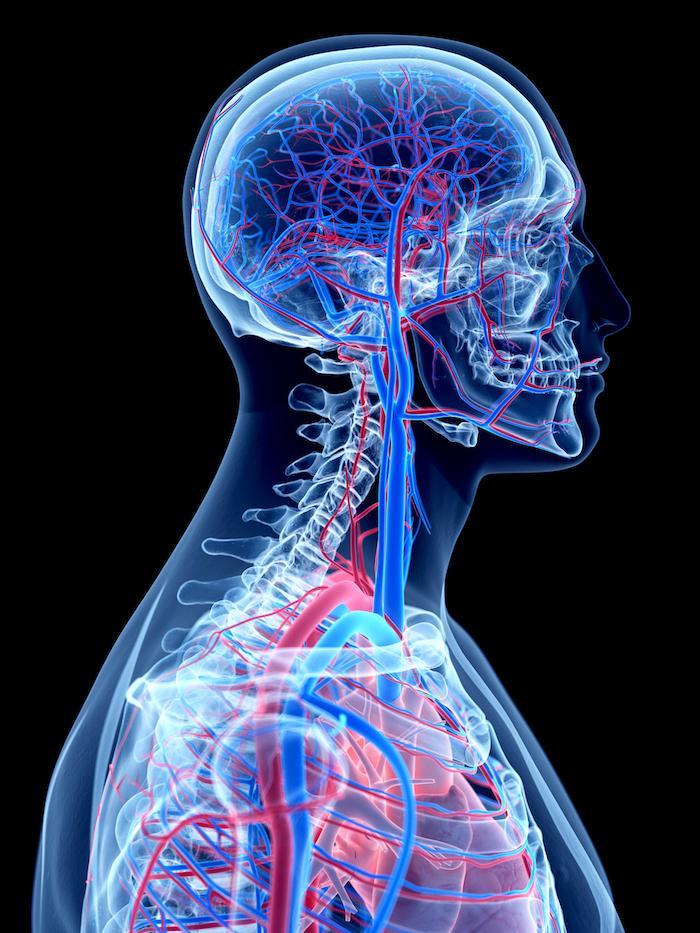
- Blood vessels
- Discs
Any form of trauma to the lower back can ignite inflammation and pain and significantly limit your ability to function. You may experience muscle spasms in your lower back, stiffness, tenderness, and problems moving. In fact, you may temporarily be unable to walk or even stand up straight. The pain can be sharp or dull and can strike when you’re moving or at rest.
What can help if you’ve thrown out your back?
Fortunately, there are things you can do at home and treatment you can get from your Advanced Spine and Pain provider that can get you up and moving — without the pain — once again.
At-home treatments include rest to reduce inflammation, ice packs, and taking anti-inflammatory over-the-counter medications such as ibuprofen.
After resting your back for a day or two, carefully start moving again to combat stiffness and encourage blood flow. Placing something under your lower back, like a rolled-up towel, can help take the pressure off your back while you sleep.
These steps may be all you need to recover, but it’s also important to seek treatment at ASAP when at-home remedies don’t help.
We may recommend imaging tests like a CT scan, X-ray, or MRI so we can make a definite diagnosis.
Once we determine the underlying cause, your treatment could include:
- Prescription pain medications
- Back brace treatment, which gives your lower back extra support
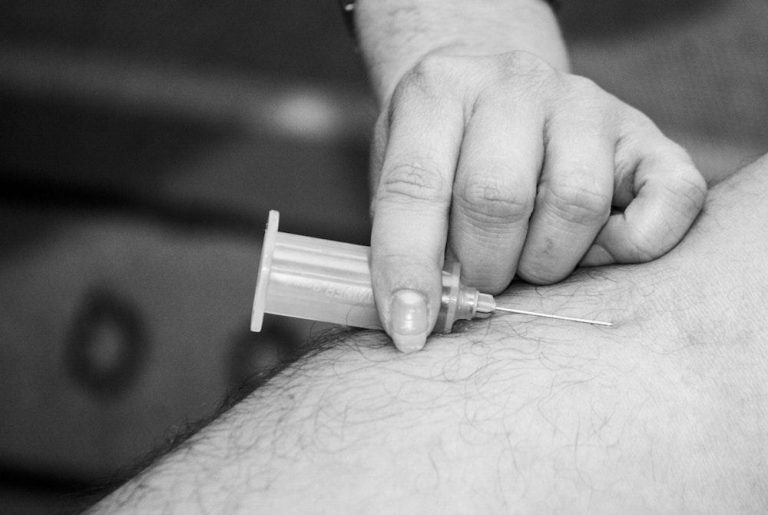
- Facet injections (steroid injections targeted to specific points)
- Epidural steroid injections containing local anesthetic
- Physical therapy
- Platelet-rich plasma (PRP) therapy, a regenerative treatment
Another innovative treatment is radiofrequency ablation, which employs heat to “shock” your nerves and reduce pain.
Sometimes, a surgical solution is necessary if other treatments are unsuccessful or if your back problems stem from severely herniated discs. Whenever possible, we perform minimally invasive surgery, which requires only several small incisions rather than a single larger one.
These procedures facilitate faster healing, less pain, bleeding, and scarring, and a reduced risk for post-surgical infection.
Don’t suffer from the pain and limitations of this type of back pain if it’s gone on for too long or gets severe. Seek treatment from the ASAP team, and we’ll have you up and moving again.
We have seven locations throughout Virginia and Maryland. Call the Advanced Spine and Pain office that’s most convenient to you and schedule a consultation, or contact us through our website.
]]>