More and more people are embracing their age — focusing on the wisdom they’ve gained, letting their hair go silver, and taking advantage of those senior discounts.
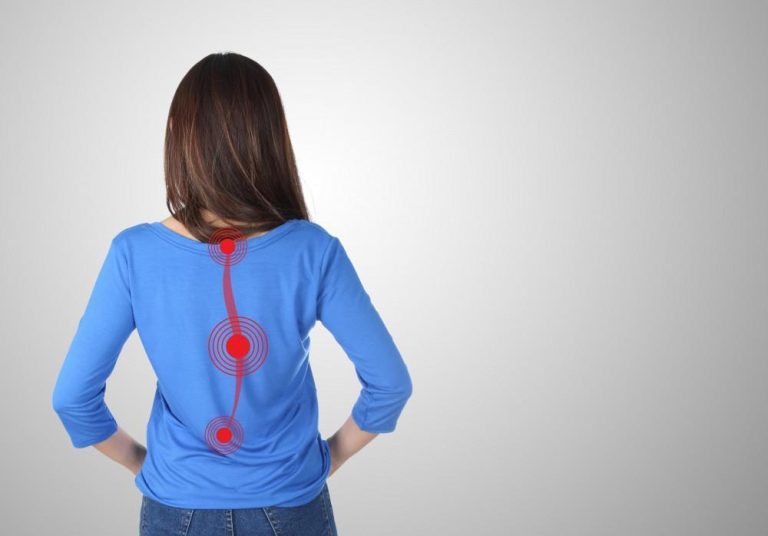
Unfortunately, one unwelcome byproduct of getting older is the likelihood of experiencing symptoms of spinal stenosis — a painful back condition caused by problems like osteoarthritis, disc herniations, and a traumatic accident like a fall, among others.
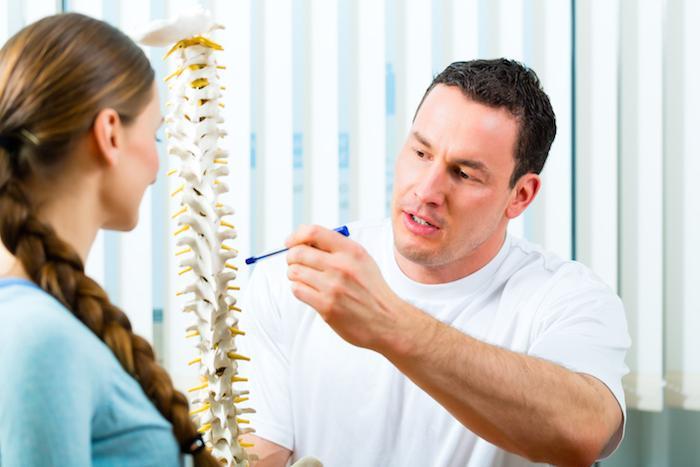
The caring provider team at all seven Maryland and Virginia locations of Advanced Spine and Pain (ASAP) approaches your care with commitment, expertise, and compassion. We create a care plan that meets your unique needs and focuses on your healing.
What is spinal stenosis?
The term “spinal stenosis” identifies the location and cause of pain: narrowing (stenosis) in your spinal column.
Some people with spinal stenosis get lucky and live without discomfort and symptoms, but others suffer from pain and other problems, like mobility challenges.
Spinal stenosis can happen in your neck (cervical area) or lower back (lumbar region).
About 250,000-500,000 people suffer from spinal stenosis, and most of them are over 50. In fact, painful back conditions, including spinal stenosis, are disproportionately affecting baby boomers, those born between 1946 and 1964.
Which is it — cervical or lumbar spinal stenosis?
The fundamental difference between cervical and lumbar stenosis is the location of the stenosis or where symptoms emerge. There is some symptomatic overlap between the two types, but each has unique signs.
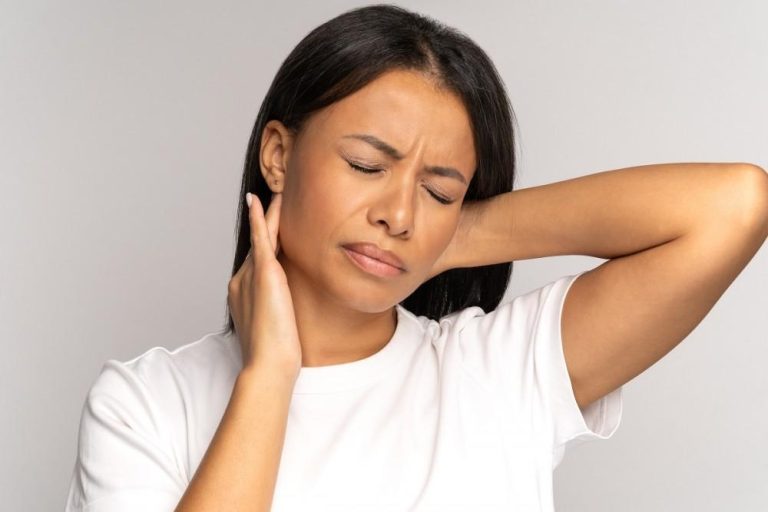
Cervical stenosis symptoms include:
- Neck pain
- Neck stiffness
- A pins and needles sensation or numbness in your extremities
- Balance issues
- Challenges with walking
- Bladder and bowel problems, if the stenosis is severe
When cervical spinal stenosis becomes chronic, it can prevent you from performing everyday tasks and enjoying your favorite activities.
Lumbar spinal stenosis symptoms include:
- Back pain
- Leg or foot numbness
- Weakness or cramping in your leg or foot
- Leg cramps, especially if you stand or walk for lengthy periods
- Sciatica, burning pain in the buttocks and down the legs
- “Foot drop,” when you have difficulty lifting the front part of your foot when you walk
Lumbar spinal stenosis can even make it hard to get up from a seated position.
Treatment options for spinal stenosis
Whether you suffer from cervical or lumbar spinal stenosis — or both types, which is called tandem stenosis — we’re here to help you find relief and get moving again.
Depending on the type of spinal stenosis you have, its severity, and other factors, your ASAP provider may recommend a combination of treatments that include:
- Medications that can ease spinal pressure
- Physical therapy that reduces pressure on your nerve roots and strengthens muscles
- Epidural injections, which contain local anesthetic and corticosteroids
- A surgical solution
There are two advanced procedures we offer to patients with spinal stenosis that haven’t responded to other treatments. Spinal decompression procedures allow your ASAP surgeon to open your spinal canal more, lessening the effects of spinal cord and nerve compression.
A procedure known as CoflexⓇ decompression involves your ASAP surgeon placing a Coflex titanium metal implant in your targeted treatment area after the decompression step, which significantly stabilizes your spine.
Another procedure that reduces pressure on your spinal nerves is a laminectomy. Your ASAP surgeon removes the back portion of a particular vertebra called the lamina, which frees up more space in your spinal canal.
Knowing that you have treatment choices for your spinal stenosis — no matter which type you live with — can reassure you that relief and a more active life are in sight.
Learn more about spinal stenosis treatment by calling the ASAP office nearest you or book an appointment with us online.
]]>