If you have been searching for a safe, natural way to heal stubborn joint or tendon pain, you might wonder what PRP therapy is and whether it could help you. PRP, or platelet-rich plasma therapy, is a treatment that uses your own blood to help repair injured tissues and ease chronic pain, often without surgery.
Understanding PRP Therapy
PRP stands for platelet-rich plasma. Your blood is mostly liquid plasma but it also contains tiny solid parts like red cells, white cells and platelets. Platelets help blood clot but they also carry special proteins called growth factors. These growth factors are what help your body heal wounds and injuries.
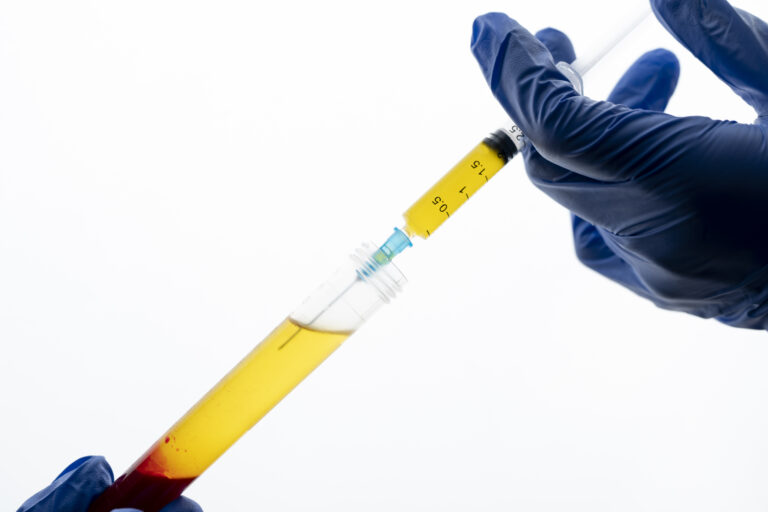
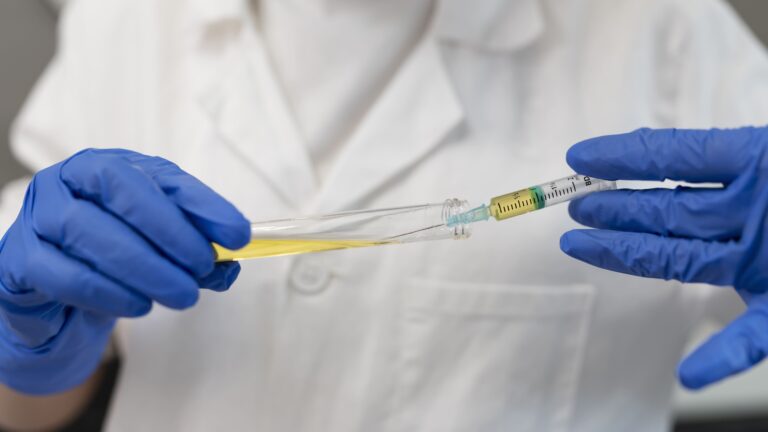
In PRP therapy, a small amount of your blood is drawn and spun in a machine to make the platelets more concentrated. This powerful liquid is then carefully injected right where your body needs help healing. By boosting your body’s natural repair tools, PRP can help speed up recovery and relieve pain.
How PRP Is Done
The process is simple. First, a healthcare provider takes a sample of your blood. Next, the blood goes into a centrifuge, a machine that spins it very fast to separate the platelets from other parts. Once the platelet-rich plasma is ready, your doctor injects it into the area that needs treatment. A numbing medicine may be used to keep you comfortable.
Some people notice mild soreness or swelling afterward. This usually fades in a few days and means the healing response has started.
What Conditions Can PRP Treat?
Doctors use PRP for a wide range of problems, especially for people who want to avoid surgery if possible.
Arthritis and Joint Pain
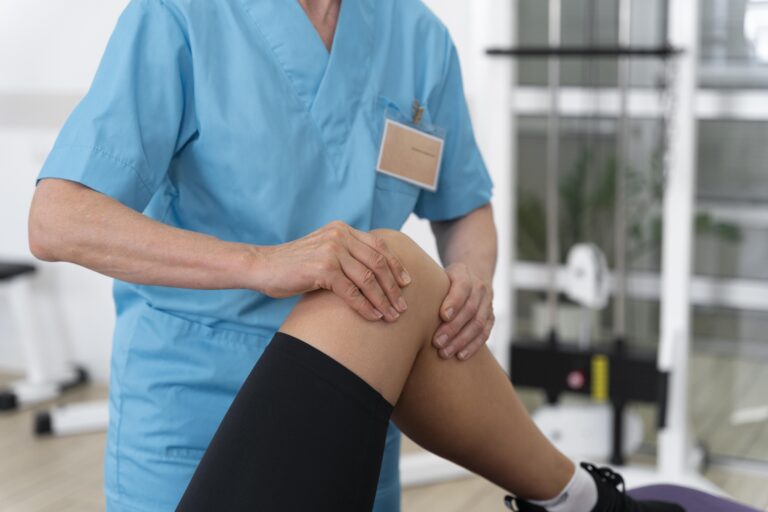
PRP injections are often used for knee arthritis or hip pain. The goal is to reduce swelling and stiffness and help you move with less pain.
Tendon and Ligament Injuries
PRP has become a popular option for injuries like tennis elbow, golfer’s elbow or rotator cuff problems. Athletes and active people often choose PRP when rest and physical therapy are not enough.
Helping You Heal After Surgery
Sometimes, PRP is used during or after surgery to help tissues repair themselves more quickly and fully. For example, it may be added to an area where a tendon has been repaired.
Key Benefits of PRP Therapy
Natural and Safe
Since PRP comes from your own blood, it is a very safe treatment with very low risk of side effects. Unlike drugs or steroids, PRP works with your body’s own healing tools.
Lasting Pain Relief
Research suggests that PRP may lower pain and swelling and help people get back to daily activities sooner. Many people see improvements after just one or two treatments.
What You Can Expect
Results vary from person to person. Some people feel relief within weeks while for others it takes a few months for new healthy tissue to form. Some patients may need more than one injection to get the best results. Talk with your doctor about what is realistic for you.
Is PRP Therapy Right for You?
PRP might be a good option if you have tried rest, physical therapy or medication but still have pain. It is popular among people who want to stay active without relying on surgery right away.
However, PRP is not for everyone. People with certain blood disorders or infections may not be able to use it. Your doctor will explain what works best in your case.
To learn about other options, visit our articles on Advanced Osteoarthritis Treatments and Non-Surgical Treatments for Osteoarthritis.
What Happens Before and After PRP Treatment
Before your treatment, your doctor will go over your health history and what to expect. After your injection, you may need to rest for a day or two. Follow any care instructions to help the healing process. Most people can return to daily life quickly but may need to avoid heavy lifting or sports for a short time.
For more helpful details, see the Mayo Clinic’s PRP page.
Final Thoughts
If you are tired of dealing with joint or tendon pain that just will not heal on its own, PRP therapy may be worth exploring. At Advanced Spine and Pain Centers, we offer trusted PRP treatments designed to help you heal faster and live more comfortably.
If you are curious about whether PRP is right for you, our team is here to help you understand your options and create a plan that fits your needs. Book your appointment today and take your first step toward better healing.