Living with chronic pain or a slow-healing injury can take a toll on your quality of life. Platelet-Rich Plasma (PRP) therapy is an innovative treatment that harnesses your body’s own healing abilities to promote faster recovery and reduce pain naturally.
Whether you’re an athlete dealing with a tendon injury or someone struggling with arthritis, PRP may offer a safe, non-surgical option for relief.
What Is PRP Therapy?
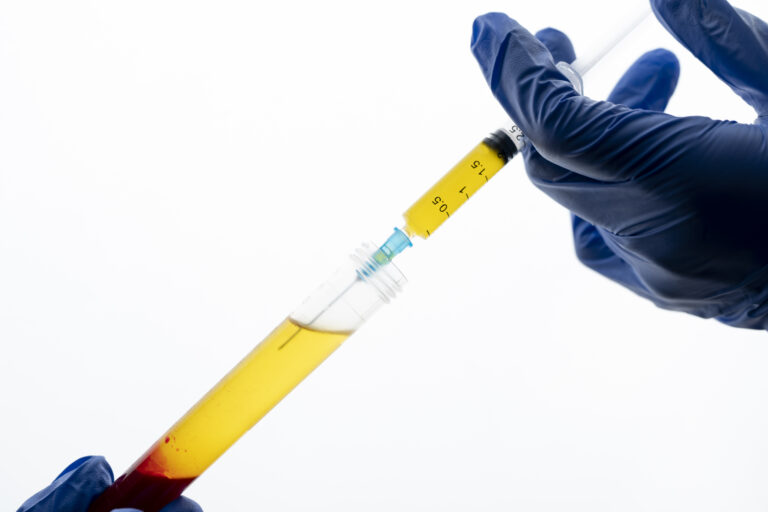
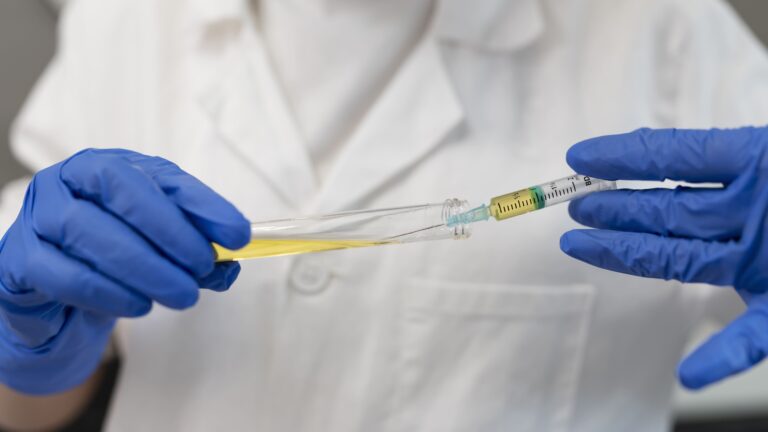
PRP therapy involves drawing a small amount of your blood, processing it in a centrifuge to concentrate the platelets, and then injecting it into the injured or inflamed area. Platelets are rich in growth factors that stimulate tissue repair and regeneration.
The entire procedure takes about an hour and can be done right in your doctor’s office. Since it uses your own blood, PRP therapy is considered safe with minimal risk of adverse reactions.
How Does PRP Work?
Platelets play a key role in the healing process. When injected directly into the site of injury or pain, PRP releases growth factors that:
- Promote new tissue growth
- Reduce inflammation
- Stimulate collagen production
- Improve circulation
These mechanisms make PRP therapy particularly effective for conditions where healing has stalled or pain has become chronic.
Conditions PRP Can Treat
PRP therapy is used across many fields including orthopedics, sports medicine, and pain management. Some of the most common uses include:
1. Joint Pain and Arthritis
PRP injections have shown promising results in reducing pain and stiffness caused by osteoarthritis, especially in the knees and hips.
2. Tendon and Ligament Injuries
PRP is frequently used for tennis elbow, rotator cuff injuries, and Achilles tendinitis to speed up the recovery process.
3. Muscle Injuries
Athletes use PRP to treat pulled hamstrings, groin strains, and other muscle tears to get back on the field faster.
4. Back and Neck Pain
PRP can help reduce inflammation and regenerate tissue in areas affected by degenerative disc disease, herniated discs, and facet joint pain.
5. Post-Surgical Healing
Some doctors use PRP therapy after surgery to promote healing and reduce scar tissue formation.
What to Expect During PRP Treatment
Here’s a quick overview of what the procedure involves:
- Blood Draw: A small amount of your blood is drawn—typically between 15–50 ml.
- Processing: The blood is placed in a centrifuge to separate and concentrate the platelets.
- Injection: Using ultrasound or fluoroscopic guidance, your provider injects the PRP into the targeted area.
There may be mild discomfort at the injection site for a day or two, but most patients return to normal activity shortly after the procedure.
How Many Sessions Do You Need?
Most patients see noticeable results after 1–3 sessions spaced a few weeks apart, depending on the severity of the condition. Your provider will create a personalized plan based on your specific needs and response to the treatment.
PRP vs. Cortisone Injections
While cortisone offers temporary relief by reducing inflammation, it doesn’t promote healing and may weaken tissue over time. PRP, on the other hand, works with your body’s natural healing processes for longer-lasting results.
Is PRP Therapy Right for You?
PRP therapy may be a good option if:
- You have chronic pain that hasn’t responded to conventional treatments
- You want to avoid surgery or long-term medication use
- You prefer natural, regenerative therapies
A consultation with a pain specialist or orthopedic physician can help determine if PRP is appropriate for your condition.
Safety and Side Effects
Since PRP uses your own blood, the risk of allergic reactions or complications is low. Some patients experience mild soreness or swelling at the injection site, but serious side effects are rare.
Always ensure the procedure is performed by a qualified provider with sterile technique and proper imaging guidance.
In Summary
PRP therapy offers a non-invasive, natural alternative for those seeking relief from pain, inflammation, or slow-healing injuries. Backed by scientific research and increasingly adopted by specialists, PRP is reshaping how we approach healing from the inside out.
To learn more about how PRP could help you, contact our pain management team for a personalized consultation.