If you are considering regenerative medicine for joint or soft tissue pain, understanding the PRP treatment process can help you feel confident and prepared. Platelet-rich plasma, or PRP, is widely used to support healing in joints, tendons, and ligaments using your body’s own natural growth factors.
At ASAP, PRP therapy is used as a minimally invasive option for patients who want relief without surgery. Below is a clear, step-by-step guide to what happens during a PRP session and what recovery truly looks like.
What Is PRP and How It Works in Simple Terms
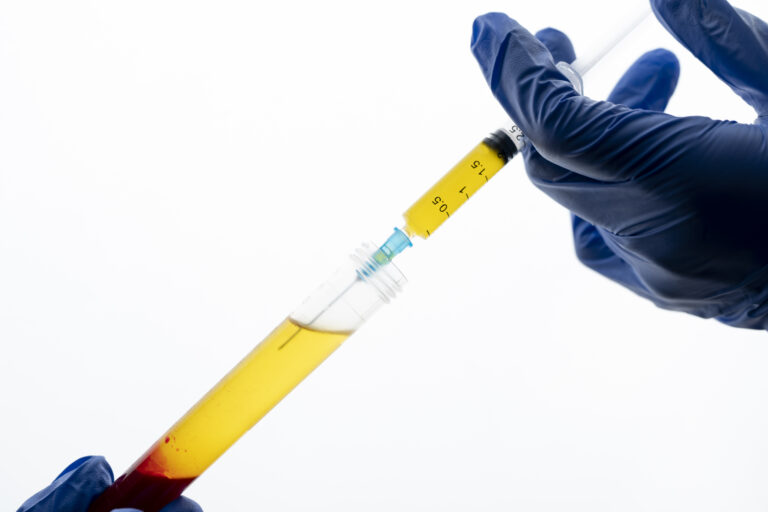
PRP is created using a small sample of your own blood. That blood is processed to concentrate platelets, which are rich in healing proteins and growth factors.
These platelets are then injected into the injured or painful area to stimulate tissue repair, reduce inflammation, and encourage natural healing.
PRP is commonly used for joint arthritis, tendon injuries, ligament damage, and chronic musculoskeletal pain.
Preparing for Your PRP Appointment
Preparation plays an important role in the success of the PRP procedure.
You may be advised to stop anti-inflammatory medications such as ibuprofen or naproxen several days before your visit. These drugs can interfere with the body’s healing response.
Staying hydrated, eating a light meal, and wearing comfortable clothing are also recommended. If imaging guidance such as ultrasound is needed, your provider will explain that in advance.
Step-by-Step PRP Procedure Process
Understanding the PRP procedure steps helps remove anxiety and allows you to focus on recovery.
First, a small amount of blood is drawn from your arm, similar to a routine lab test. This usually takes only a few minutes.
Next, the blood is placed into a centrifuge. This special machine spins the sample to separate and concentrate the platelets.
Once the platelet-rich plasma is prepared, the target area is cleaned and numbed if needed. Using precise technique and often ultrasound guidance, the PRP is injected directly into the affected tissue.
The entire visit typically takes 45 to 75 minutes.
What Does a PRP Injection Feel Like
Many patients describe the injection as uncomfortable rather than painful. You may feel pressure, mild burning, or deep soreness at the injection site.
Discomfort usually lasts a few minutes and improves quickly. Some soreness afterward is expected as the body begins its healing response.
PRP Side Effects and Safety Expectations
PRP is considered low risk because it uses your own blood. However, PRP side effects can still occur.
Common side effects include localized soreness, stiffness, swelling, and a temporary increase in pain during the first few days. Less common risks include infection or irritation at the injection site.
Serious complications are rare when the procedure is performed by an experienced provider.
PRP Recovery Time and Healing Timeline
One of the most common questions patients ask is about PRP recovery time. Healing varies by condition, but most follow a predictable pattern.
During the first 48 to 72 hours, you may notice soreness and limited activity. Light movement is typically encouraged, but strenuous activity should be avoided.
Within one to two weeks, inflammation begins to settle, and early improvement may be noticed.
Between four and eight weeks, many patients experience meaningful pain reduction and improved function as tissue healing continues.
Some conditions require a second PRP session for best results. Full benefits may continue to develop for three to six months.
Activity Restrictions After PRP Treatment
Rest is important in the early phase, but complete immobilization is rarely advised unless specifically directed.
Most patients should avoid heavy lifting, high-impact exercise, and aggressive stretching for at least one to two weeks. Walking and gentle range-of-motion activities are often encouraged.
Your provider may also recommend rehabilitation or physical therapy to maximize results.
When Will You Start Feeling Better
Improvement after PRP is not immediate like a steroid injection. PRP works by stimulating natural repair, which takes time.
Some patients feel early relief within two to three weeks. Others may not notice improvement until six to eight weeks. This varies depending on the tissue treated and the severity of injury.
Who Is a Good Candidate for PRP Therapy
PRP is often used for patients with tendon injuries, osteoarthritis, ligament damage, and chronic joint pain that has not responded to standard care.
Patients with active infection, severe blood disorders, or certain cancers may not be ideal candidates.
A proper evaluation at ASAP determines whether PRP is appropriate for your condition and goals.
PRP for Joint Injections Versus Tendon Injuries
The PRP for joint injection procedure differs slightly from PRP used in tendons.
Joint PRP typically targets arthritis and cartilage irritation. Tendon PRP is often used for chronic overuse injuries such as rotator cuff tendinopathy or Achilles tendinitis.
Tendon PRP may involve a longer recovery because tendon tissue heals more slowly than joint structures.
How Aftercare Impacts Your Results
Aftercare plays a major role in treatment success.
Avoid non-steroidal anti-inflammatory medications for at least one to two weeks unless directed otherwise. These medications can block the inflammatory healing response PRP is designed to trigger.
Follow activity guidelines closely, attend rehabilitation if prescribed, and maintain healthy habits such as proper hydration and nutrition.
When PRP May Not Be Enough
While PRP is effective for many patients, it is not a solution for every condition.
Advanced joint degeneration, severe structural tears, or mechanical instability may still require surgical or interventional treatment.
That is why a thorough evaluation is essential before starting PRP therapy.
How ASAP Supports Your PRP Recovery
At ASAP, PRP therapy is delivered as part of a complete recovery strategy. Imaging, rehabilitation planning, and follow-up monitoring are built into your care.
If your treatment plan includes rehabilitation, we may also recommend our shoulder rehab exercises or other therapy-based protocols that align with your injury.
You can also explore our guide on PRP for Osteoarthritis for patients seeking non-surgical arthritis relief.
When to Contact Your Provider After PRP
You should contact your provider if you develop fever, severe swelling, increasing redness, or persistent worsening pain after the first few days.
These symptoms are uncommon but require evaluation.
Medical Reference
The Cleveland Clinic provides a detailed overview of how PRP works, its safety, and expected recovery.
Final Thoughts on PRP Treatment
The PRP treatment process is safe, minimally invasive, and supports natural healing using your body’s own repair system. While results are not instant, many patients experience lasting pain relief and functional improvement over time.
Understanding the recovery timeline helps set realistic expectations and improves long-term outcomes.
If you are exploring PRP for joint or soft tissue pain, a personalized evaluation is the best first step.
Call to Action
If you are considering PRP therapy or want to know whether it is right for your condition, the specialists at ASAP – Advanced Spine and Pain are here to help. Schedule a consultation today to receive a personalized, evidence-based treatment plan designed to help you heal safely and naturally.