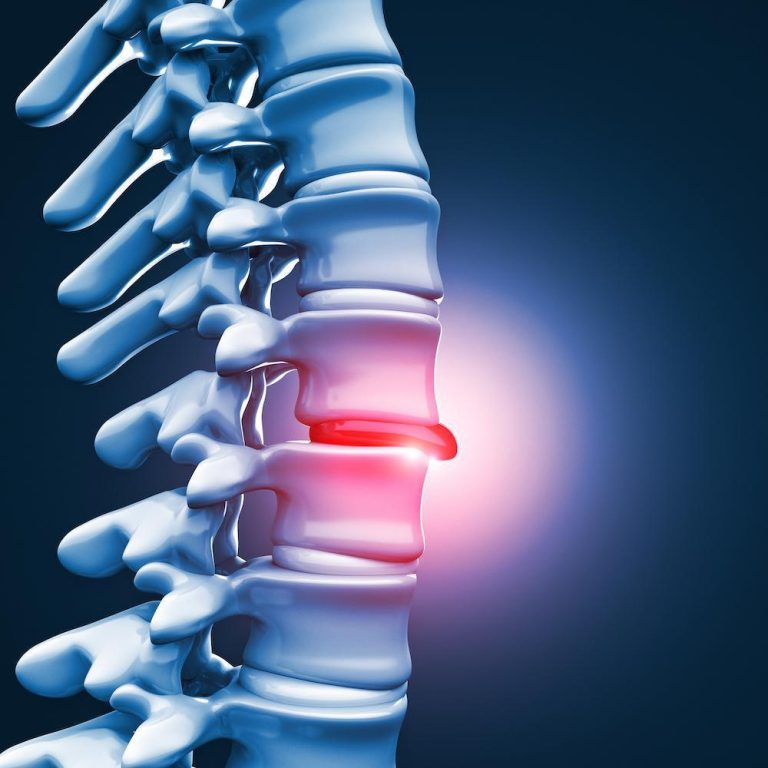
Whiplash is a common neck injury that occurs when the head suddenly moves forward and backward with force. This rapid motion can strain muscles, ligaments, and nerves in the neck. As a result, whiplash injury symptoms may develop shortly after an accident or appear hours later.
Although many people associate whiplash with car accidents, it can also happen during sports injuries, falls, or sudden impacts. Understanding the symptoms, causes, and recovery process can help individuals seek appropriate care and prevent long-term complications.
This guide explains how whiplash occurs, the typical symptom timeline, and the treatment options that support recovery.
What Is a Whiplash Injury?
A whiplash injury occurs when the neck experiences a sudden and forceful back-and-forth motion. This movement can stretch or tear soft tissues in the cervical spine.
The injury primarily affects muscles, ligaments, and tendons in the neck. In some cases, nearby nerves may also become irritated.
How Neck Strain Whiplash Happens
The rapid motion that causes neck strain whiplash often occurs during unexpected impacts.
Common causes include:
- Rear-end car accidents
- Contact sports injuries
- Falls or slips
- Sudden blows to the head or upper body
When the neck moves abruptly, soft tissues can stretch beyond their normal range. This leads to inflammation and pain in the surrounding structures.
Common Whiplash Injury Symptoms
Symptoms may not appear immediately after the injury. In many cases, discomfort develops within several hours or even a day after the incident.
Recognizing early signs can help individuals seek treatment sooner.
Early Symptoms After a Whiplash Injury
The most common whiplash injury symptoms include:
- Neck pain and stiffness
- Reduced range of motion
- Headaches at the base of the skull
- Shoulder or upper-back pain
These symptoms often worsen with movement and may make everyday activities difficult.
Additional Symptoms That May Develop
Some individuals experience additional symptoms as inflammation increases.
These may include:
- Dizziness or fatigue
- Tingling or numbness in the arms
- Blurred vision or difficulty concentrating
- Sleep disturbances
The severity of symptoms varies depending on the extent of tissue injury and inflammation.
The Role of Inflammation in Whiplash Pain
Inflammation plays a major role in the discomfort associated with whiplash injuries. When tissues in the neck are stretched or damaged, the body triggers an inflammatory response to begin healing.
Soft Tissue Inflammation
Soft tissues such as muscles, ligaments, and tendons may become inflamed following a sudden neck movement.
Inflammation can lead to:
- Swelling in surrounding tissues
- Muscle tightness
- Reduced flexibility in the neck
These effects contribute to stiffness and pain during movement.
Peripheral Neuroinflammation
In some cases, the injury can also irritate nearby nerves.
This process, known as peripheral neuroinflammation, occurs when nerves become sensitive due to inflammation in surrounding tissues.
Symptoms related to nerve irritation may include:
- Radiating pain into the shoulders or arms
- Tingling sensations
- Increased sensitivity to movement
Understanding the role of inflammation helps explain why symptoms may worsen several hours after the initial injury.
Whiplash Pain Timeline and Treatment
Recovery from whiplash varies depending on the severity of the injury. However, many people experience a similar pattern of symptoms and recovery stages.
Immediate Phase (First 24 Hours)
During the first day after injury, symptoms may be mild or barely noticeable.
Individuals may experience:
- Slight neck stiffness
- Mild soreness or tension
Rest and cold therapy can help reduce early inflammation.
Early Recovery Phase (1–7 Days)
During this stage, symptoms often become more noticeable.
Common experiences include:
- Increased neck pain
- Reduced mobility
- Muscle tightness
Treatment during this stage may involve anti-inflammatory medication, gentle movement, and avoiding prolonged rest.
Recovery Phase (2–8 Weeks)
Most people begin to recover during this period.
Healthcare providers often recommend:
- Physical therapy exercises
- Posture improvement
- Gradual return to normal activities
These strategies help restore strength and flexibility in the neck.
Persistent Symptoms (3 Months or Longer)
A small number of individuals develop longer-lasting symptoms.
Persistent discomfort may require additional evaluation to rule out nerve involvement or chronic inflammation.
Conservative Treatment Options for Whiplash
Most whiplash injuries improve with conservative care rather than invasive treatment.
Pain Management
Several methods may help manage discomfort during recovery.
These include:
- Over-the-counter anti-inflammatory medications
- Cold or heat therapy
- Gentle stretching exercises
Pain relief strategies should always follow medical guidance.
Physical Therapy and Movement
Movement is an important part of recovery.
Physical therapists often recommend:
- Neck strengthening exercises
- Range-of-motion movements
- Posture correction techniques
Early mobility helps prevent stiffness and improves healing.
Lifestyle Adjustments
Simple daily adjustments can reduce stress on the neck.
Helpful habits include:
- Maintaining proper posture when sitting
- Adjusting computer screens to eye level
- Using supportive pillows during sleep
These changes help reduce strain during the healing process.
When to See a Specialist for Whiplash Symptoms
While many people recover within a few weeks, certain symptoms may require medical evaluation.
Seek professional care if you experience:
- Severe or worsening neck pain
- Numbness or weakness in the arms
- Persistent headaches
- Symptoms lasting several weeks
Understanding when symptoms require specialist attention is similar to recognizing warning signs in other musculoskeletal conditions, such as knowing when lower back pain becomes serious and requires medical care.
Early evaluation can help prevent complications and ensure proper treatment.
For more detailed medical guidance on whiplash injuries, information from the Mayo Clinic explains causes, symptoms, and treatment options.
Preventing Future Neck Strain Injuries
Although not all accidents can be prevented, certain habits may reduce the risk of neck injuries.
Consider these preventive strategies:
- Adjust vehicle headrests to support the neck
- Strengthen neck and shoulder muscles
- Practice safe techniques during sports
- Maintain good posture throughout the day
Small preventive steps can help protect the cervical spine from sudden strain.
Final Thoughts
Whiplash injuries can cause discomfort, stiffness, and limited movement in the neck. Understanding whiplash injury symptoms, the role of inflammation, and the typical recovery timeline can help individuals manage their condition more effectively.
Most people recover with conservative treatments such as physical therapy, gentle movement, and proper posture. However, persistent symptoms should be evaluated by a healthcare professional.
Early awareness and appropriate care play an important role in supporting a smooth recovery and preventing long-term neck problems.