Introduction
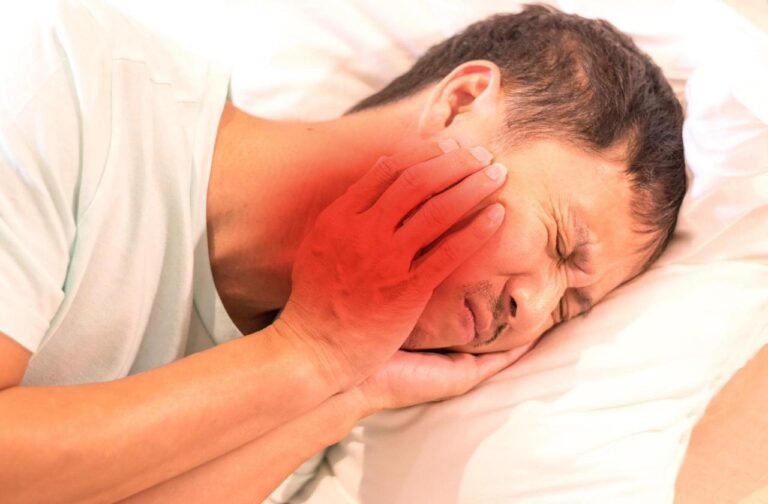
Does pain get worse at night? If you’ve ever noticed your discomfort intensifying as the day winds down, you’re not imagining it. Many people experience increased pain levels in the evening, especially those dealing with ongoing conditions.
This pattern is closely linked to your body’s internal clock—known as the circadian rhythm—which regulates hormones, inflammation, and pain sensitivity. Understanding why this happens can help you better manage chronic pain at night, improve sleep, and find effective nighttime pain relief.
Does Pain Get Worse at Night? The Short Answer
Yes, pain often feels worse at night—and in many cases, it actually is.
This happens due to a combination of:
- Hormonal changes
- Increased inflammation
- Reduced distractions
- Sleep-related factors
For those dealing with chronic pain at night, these effects tend to be more intense and consistent.
Understanding Pain and Circadian Rhythm
What Is the Circadian Rhythm?
Your circadian rhythm is your body’s natural 24-hour cycle. It controls:
- Sleep and wake patterns
- Hormone release
- Body temperature
- Immune activity
It also plays a major role in pain and circadian rhythm interactions, influencing how sensitive you are to discomfort throughout the day.
How Pain Changes Throughout the Day
Pain doesn’t stay constant—it follows a daily pattern:
Morning
- Higher cortisol levels (anti-inflammatory)
- Lower pain sensitivity
Afternoon
- Peak energy and movement
- Moderate pain levels
Night
- Lower cortisol
- Increased inflammation
- Higher pain sensitivity
This explains why many people notice worsening chronic pain at night, even if nothing else changes.
Why Does Pain Get Worse at Night?
1. Hormonal Changes (Cortisol Drop)
Cortisol helps control inflammation. At night:
- Cortisol levels decrease
- Inflammation increases
- Pain signals become stronger
2. Increased Inflammation
Your immune system becomes more active in the evening.
This leads to:
- More inflammatory chemicals
- Joint stiffness
- Increased nerve sensitivity
3. Reduced Distractions
During the day, your brain is busy.
At night:
- Fewer distractions
- More awareness of pain
This makes discomfort feel more intense.
4. Sleep Deprivation Amplifies Pain
Pain and sleep are deeply connected.
- Pain disrupts sleep
- Poor sleep increases inflammation
- Inflammation increases pain
This creates a cycle that worsens chronic pain at night.
5. Physical Inactivity and Positioning
When you lie down:
- Muscles may stiffen
- Joints lose support
- Blood flow shifts
This is why pain can feel worse in bed.
Does Chronic Pain Fluctuate During the Day?
Yes—this is very common.
Typical Pattern
- Lower pain in the morning
- Gradual increase during the day
- Peak intensity at night
This pattern is driven by circadian rhythm and pain sensitivity.
Conditions Commonly Affected
- Arthritis
- Back pain
- Fibromyalgia
- Nerve-related pain
Each condition may behave differently, but nighttime worsening is a frequent pattern.
Why Pain Feels Worse at Night (Perception vs Reality)
It’s important to understand the difference:
Biological Factors
- Hormones
- Inflammation
- Nerve sensitivity
Perception Factors
- Quiet environment
- Mental focus
- Stress or anxiety
Both contribute to why pain seems stronger at night.
Common Nighttime Pain Scenarios
Pain Worse at Night but Not During the Day
Often caused by:
- Inflammation cycles
- Daily physical strain
- Hormonal shifts
Pain Worse When Lying Down
This may result from:
- Poor spinal alignment
- Pressure on joints
- Unsupportive mattress or pillow
Pain That Wakes You Up at Night
Possible causes include:
- Nerve irritation
- Severe inflammation
- Circulation issues
If this happens regularly, it may need further evaluation.
Research on Diurnal Pain Variation
Research shows that pain sensitivity changes over a 24-hour cycle.
Key findings:
- Pain tolerance is lowest at night
- Inflammatory activity increases in the evening
- Sleep loss significantly increases pain perception
These findings reinforce the strong link between pain and circadian rhythm.
Nighttime Pain Relief: What Actually Works
1. Optimize Your Sleep Position
Proper alignment can reduce pressure and discomfort.
- Back pain: sleep on your side with a pillow between your knees
- Neck pain: use a supportive pillow
- Joint pain: keep joints slightly elevated
2. Time Your Pain Relief Strategically
Since pain peaks at night:
- Use heat or cold therapy before bed
- Stretch gently in the evening
- Follow your treatment plan consistently
3. Improve Your Sleep Environment
- Keep your room cool and dark
- Minimize noise
- Avoid screens before bed
Better sleep directly supports nighttime pain relief.
4. Reduce Inflammation Before Bed
- Avoid heavy meals late at night
- Limit caffeine and alcohol
- Practice relaxation techniques
5. Stick to a Consistent Sleep Schedule
Your body responds well to routine.
- Sleep at the same time daily
- Wake at the same time
- Avoid irregular patterns
Best Sleep Positions for Chronic Pain
The right position depends on your condition:
- Side sleeping: reduces spinal pressure
- Back sleeping: supports alignment with proper pillow support
- Avoid stomach sleeping: increases strain on the neck and spine
Adjusting your sleep posture can significantly improve chronic pain at night.
Breaking the Pain–Sleep Cycle
To reduce nighttime pain, address both sides:
Pain Management
- Stay active during the day
- Maintain good posture
- Follow a treatment plan
Sleep Improvement
- Improve sleep habits
- Reduce stress
- Create a relaxing bedtime routine
This combined approach helps break the cycle of pain and poor sleep.
When Nighttime Pain Signals Something Serious
While it’s common to wonder does pain get worse at night, certain symptoms should not be ignored.
Warning Signs
- Pain that wakes you frequently
- Severe or worsening pain
- Pain with unexplained symptoms
- Numbness or weakness
If you experience these, it’s important to seek medical advice.
Internal Resources for Deeper Understanding
To better understand and manage your condition, you can explore more helpful guides from Advanced Spine and Pain.
You can learn practical strategies for long-term relief in our article on chronic pain management, which covers treatment options and lifestyle changes. If you’re struggling with rest, your guide on sleep and pain connection explains how sleep quality directly impacts discomfort.
For those dealing with spinal issues, our resource on back pain treatment provides targeted solutions. You can also explore how your body responds to inflammation in this article about inflammation and pain, helping you understand the root causes of discomfort.
Final Thoughts
So, does pain get worse at night? For many people, the answer is yes—and it’s driven by your body’s natural rhythms.
From hormonal changes to inflammation cycles and sleep disruption, nighttime creates conditions that can intensify discomfort. The good news is that by understanding the connection between pain and circadian rhythm, you can take steps to manage symptoms more effectively.
With the right strategies, it’s possible to reduce chronic pain at night, improve sleep quality, and regain control over your comfort.