Say you sprain your ankle running, experience carpal tunnel syndrome symptoms from typing too much, or have lower back pain whose source you can’t quite figure out. These are all examples of musculoskeletal injuries, and the pain and mobility problems they cause can limit your activities and rob you of life’s joys.
There’s an emerging treatment for these types of injuries that has doctors and patients alike singing its praises. Platelet-rich plasma therapy, or PRP for short, is an innovative treatment that mobilizes your body’s own incredible healing capabilities. The orthopedic care team at Advanced Spine and Pain offers PRP treatment because it dramatically reduces pain and accelerates healing for many types of injuries and conditions.
How does platelet-rich plasma therapy (PRP) work?
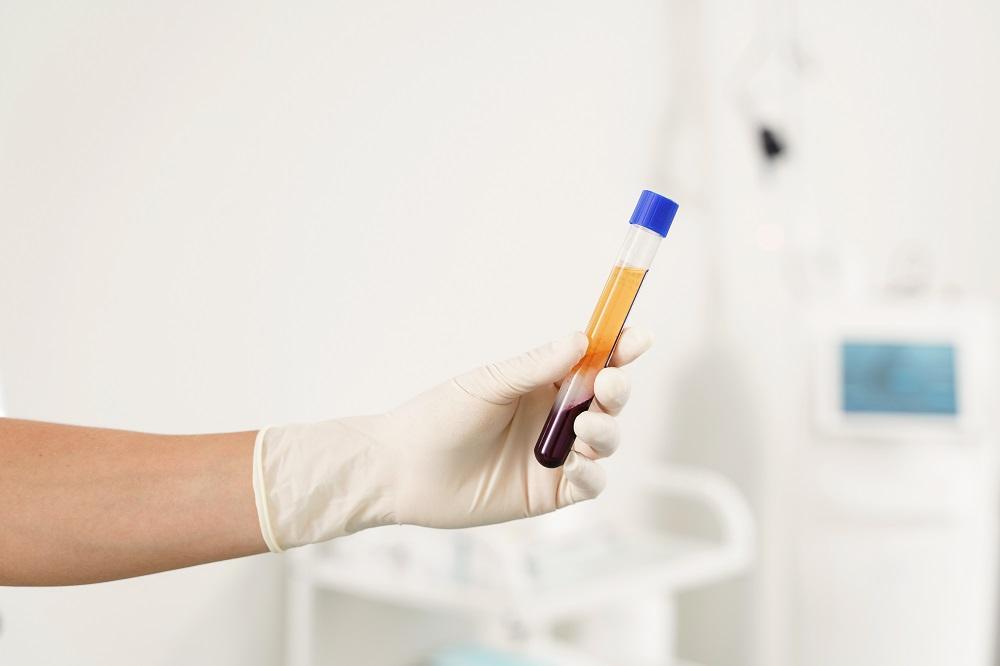
PRP works in conjunction with your body’s natural healing properties. Your blood contains white blood cells, red blood cells, and platelets, which originate in your bone marrow, cause your blood to clot, and hold hundreds of proteins needed for healing. Plasma is the liquid portion of your blood containing nutrients, proteins, and hormones.
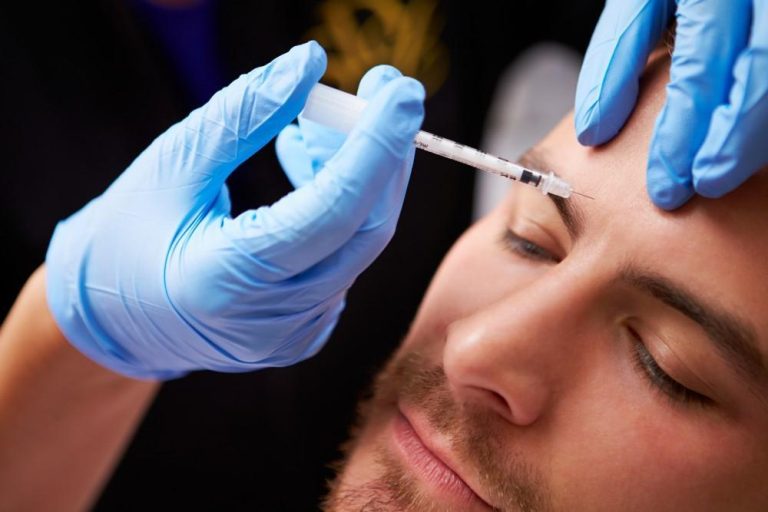
During PRP treatment, we take a blood sample from you, reconstitute it in a spinning device called a centrifuge, and take the concentrated “liquid gold” filled with platelets — and reinject it at your point of pain. Depending on your injury and the site of your pain, we may also use a local anesthetic to ensure your comfort during the procedure.
Why are doctors and patients so excited about PRP?
PRP therapy has taken health care by storm because of its many patient-friendly benefits, including its effectiveness, ease of treatment for the patient (therapy sessions are brief), and the fact that, aside from a bit of inflammation and tenderness at the injection site, there are no side effects or post-treatment downtime associated with it. You can also notice your treatment working within just a few days.
From our perspective, PRP therapy is a treatment that has abundant, diverse applications. It can address:
- Muscle injuries
- Damaged ligaments
- Knee pain from osteoarthritis
- Tendon injuries
- Bone fractures
- Post-surgery pain
This list continually grows as researchers learn more about exciting uses for PRP therapy every day. We may treat your injury by recommending an injection session for a specific condition or traumatic injury, or if you need surgery, we may stitch plasma into your tissues at your surgical site during the procedure to shorten your recovery time.
PRP treatment-related infections are very rare — under 1% — and the treatment carries a very low potential for an allergic reaction since we derive the PRP from your own blood.
Call the Advanced Spine and Pain office that’s most convenient for you, and make an appointment to learn more about cutting-edge PRP therapy — you may be an ideal candidate. You can also use our convenient online booking tool.
]]>