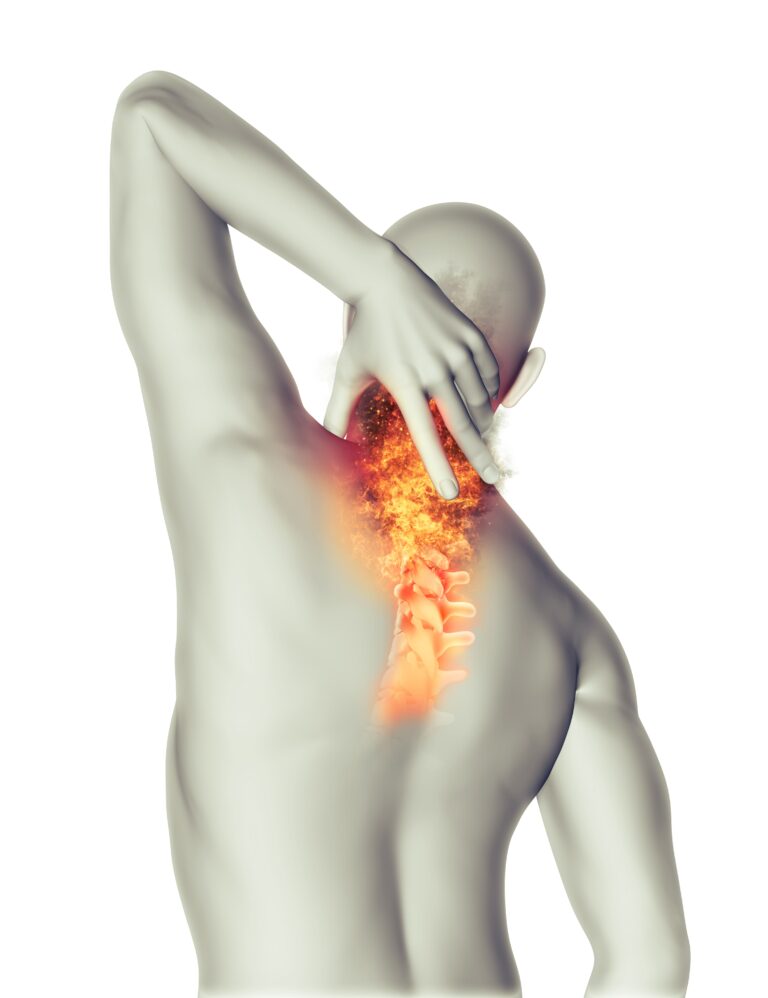

There are multiple types of arthritis, but osteoarthritis is the most prevalent, affecting a staggering 32.5+ Americans. Age and wear-and-tear from activity are the primary culprits to blame for this condition, which occurs because the pillowy cartilage that protects the tips of your bones simply breaks down.
Osteoarthritis typically causes damage to your spine, knees, hips, and hands, but did you know it can also wreak havoc on your neck? This condition is called cervical osteoarthritis (also known as cervical spondylosis), so named because the arthritic area is specifically in the bones, joints, and discs of your neck.
The extraordinary team at Advanced Spine and Pain has decades of combined experience in treating osteoarthritis, which should give you confidence about entrusting your care to us. Dr. Thomas Raley, Dr. Brian Lee, Dr. Alfred Correa, and Dr. Randy Davis provide an essential but rare combination of excellence in clinical care and true compassion when they treat you.
Neck osteoarthritis symptoms limit your life
We know that the pain and discomfort from cervical osteoarthritis is more than a distraction — it can be life-altering. The symptoms of neck osteoarthritis include:
- Pain in your neck
- A stiff neck
- Limited mobility, sometimes severe
- Pain that extends to the shoulders or arms
You can have a hard time turning your head to the right or left or bending at your neck as symptoms progress. Some patients even notice an audible grating or crunching noise when they try to move their neck.
Less common symptoms include nausea, headache, vertigo, blurry vision, and even memory challenges. Bone spurs in your neck called cervical osteophytes can cause pain, tingling and numbness, and weakness too, with pain radiating from your neck to your shoulder, arm, or hand.
Cervical spondylosis can put pressure on your spinal cord and cause another condition called cervical myelopathy, characterized by muscle spasms, difficulty walking, and reflex problems.
The types of limitations and discomfort that cervical osteoarthritis cause are also associated with high blood pressure, so getting treated is a must.
The problem with cervical spondylosis
Unfortunately, neck osteoarthritis damage is irreversible. If you’re at risk, we can take a preventive approach, and If you’ve already been diagnosed with it, we help you manage it so your pain is lessened and you can move as freely as possible.
You’re at higher risk for neck osteoarthritis if you’re over 50 because of its degenerative nature. More women suffer from cervical osteoarthritis, smokers have a higher risk, and if your family has members affected by it, you’re more likely to be diagnosed. It’s also common to see patients with this condition also suffering from degenerative disc disease.
In addition to the effects of long-term wear on the ends of your bones, you can be plagued by bone and ligament thickening, which cause crowded conditions in your spinal canal. Engaging in repetitive neck movements up your risk, as does suffering a past neck injury.
As with most health conditions, there are modifiable risk factors that you can control, and others that you can’t. We know that you can lower your risk of neck osteoarthritis by:
- Working to reach or maintaining a normal weight
- Avoiding excessive repetitive movements of the neck
- Refraining from smoking
- Getting physical activity, but safely
- Striving to preserve good posture
Unfortunately, you can still develop cervical osteoarthritis, through no fault of your own. The good news is that there is a range of effective treatments available.
Treating cervical spondylosis
Before we create your treatment plan, we “do our homework” by learning as much as we can about your pain history and your overall individual and family medical history. Your doctor examines you thoroughly and may use imaging tests to gain information.
Initially, we recommend conservative methods to treat your neck osteoarthritis. These include anti-inflammatory medications and pain relievers, and our doctors may also prescribe a course of physical therapy or a soft cervical collar.
Steroid injections are another solution that address pain and swelling. We also offer weekly injections of specially concentrated hyaluronic acid — the substance that lubricates your joints — to strengthen your weakened joints.
We’ve adopted additional innovative minimally invasive treatments that are classified as regenerative medicine, which maximize your body’s power to heal itself. Platelet-rich plasma (PRP) therapy and stem cell therapy are two such treatments.
Another progressive treatment we’ve found success with is radiofrequency ablation, where we employ radiofrequency waves to burn a nerve that’s causing pain. It eventually regenerates, but this treatment can relieve pain for up to a year.
Our team also discusses surgical options open to you if other treatments are unsuccessful.
Look into lessening your pain and increasing your flexibility
We’re eager to help ease the discomfort that your cervical spondylosis causes. Contact one of our seven convenient offices by phone or request an appointment through our website.
]]>