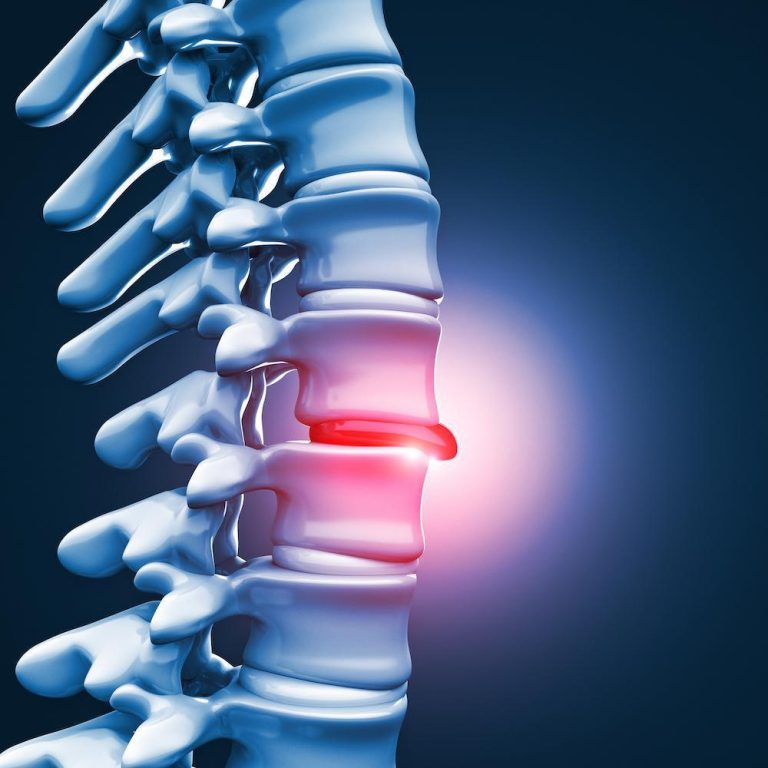

Back pain is a leading cause of disability worldwide. Injury and degeneration can cause chronic back pain and make you miss work and the activities you used to enjoy.
Your spine consists of a series of bones and a spinal canal. The bones help hold up your torso, and the spinal canal contains nerves that connect your brain to the rest of your body. If there is inflammation or any other damage in or around your spinal canal, the nerves can become compressed or pinched, which can lead to chronic back pain.
There are many treatment options available for back pain, but everyone experiences pain differently and not every treatment works for everyone. For patients who don’t find relief with traditional treatments, a spinal cord stimulator may help.
A spinal cord stimulator is a small device that attaches to your spine to stop or inhibit pain signals. At Advanced Spine and Pain, our expert doctors can give you a thorough examination and see if a spinal cord stimulator can help you.
Spinal cord stimulators quiet pain signals
When you get injured or your nerves get damaged, your nerves send pain signals through your spinal cord to your brain. Pain receptors in your brain receive the signals, and then you feel pain sensations.
A spinal cord stimulator sends a low-level electric current to the spinal cord. This current interferes with the pain signals, thereby dulling or eliminating sensations of pain. You can get customized pain relief with a spinal cord stimulator, because you can adjust the strength of the electric current.
A spinal cord stimulator can reduce the need for strong prescription pain relievers. Furthermore, it’s a reversible procedure, which means you can have the stimulator removed if desired.
Spinal cord stimulators offer relief from chronic pain
Our doctors may recommend spinal cord stimulation as a treatment option for hard-to-treat chronic conditions that cause back pain. Common conditions that respond well to spinal cord stimulation include:
- Failed back surgery syndrome
- Neuropathy
- Spinal cord injuries
- Complex regional pain syndrome
- Degenerative disc disease
You can try a spinal cord stimulator for a few days to determine if it’s effective before you have the device implanted. If you find relief during the trial run, our doctors can implant a spinal cord stimulator.
The surgery typically doesn’t require an overnight hospital stay. Using small incisions, your provider attaches electrodes to your spine. The electrodes are connected to a pulse generator that is implanted in your upper buttocks. The generator is controlled by a handheld device, and the strength of the electric current can be adjusted to mask the pain signals you experience.
If you’re one of the millions of Americans living with chronic back pain, it’s time to find out if a spinal cord stimulator can relieve your pain and improve your quality of life. To learn more, book an appointment online or over the phone with Advanced Spine and Pain today.
]]>