
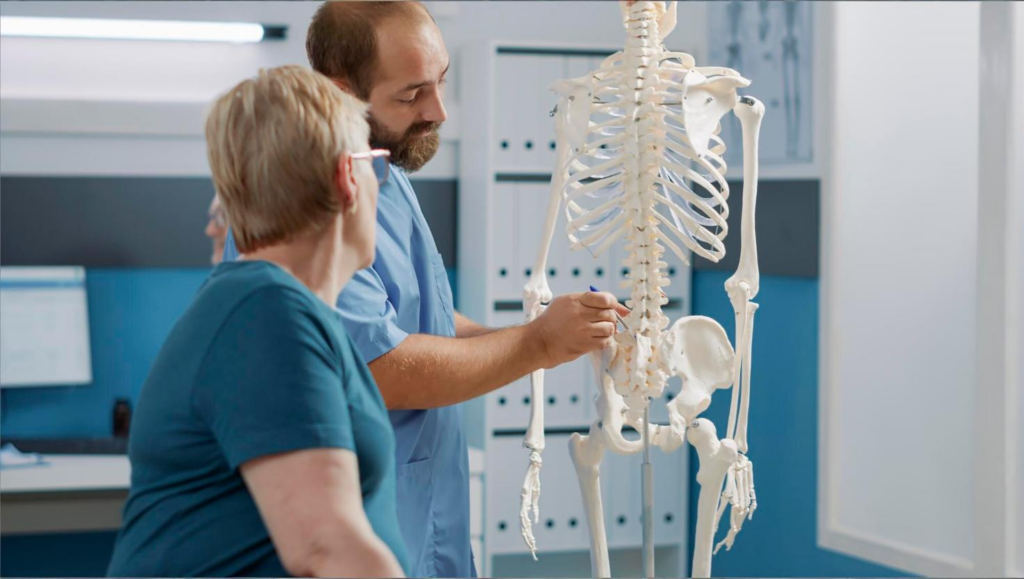
Chronic back pain can be a debilitating condition, affecting your ability to work, exercise, and even perform daily tasks. While many people find relief through non-surgical treatments, some cases require spinal surgery to restore function and alleviate pain. But how do you know if surgery is the right choice for you? In this article, we’ll explore when back pain surgery becomes necessary, the most common procedures, and how surgical and non-surgical treatments compare.
When Does Back Pain Require Surgery?
Most cases of chronic back pain improve with non-surgical treatments such as physical therapy, medication, or injections. However, surgery becomes an option when:
- Pain persists for six months or longer despite conservative treatments.
- There is nerve compression, causing numbness, weakness, or loss of bladder and bowel control.
- A structural issue such as a herniated disc, spinal stenosis, or spondylolisthesis is worsening over time.
- There is instability in the spine, making movement difficult and painful.
Common Types of Back Pain Surgery
If non-surgical treatments fail, several surgical procedures may offer lasting relief. Some of the most common include:
1. Discectomy
A discectomy involves removing a portion of a herniated disc that is pressing on a nerve, causing pain and numbness. It is often used to treat conditions like sciatica and nerve root compression.
2. Spinal Fusion
Spinal fusion is performed to stabilize the spine by permanently connecting two or more vertebrae. This procedure is commonly used for degenerative disc disease and spinal instability.
3. Laminectomy
A laminectomy involves removing part of the vertebra (the lamina) to relieve pressure on the spinal cord and nerves. It is commonly recommended for patients with spinal stenosis.
4. Artificial Disc Replacement
Instead of fusing vertebrae, this procedure replaces a damaged disc with an artificial one, maintaining spinal mobility. It is often considered an alternative to fusion for chronic disc-related pain.
Comparing Surgical vs. Non-Surgical Outcomes
Before deciding on back pain surgery, it’s essential to compare the benefits and risks of surgical and non-surgical treatments.
Success Rates
- Surgical treatments can be highly effective, especially for nerve-related conditions like herniated discs.
- Non-surgical treatments such as physical therapy and injections provide relief for many patients without the risks of surgery.
Recovery Time
- Spinal surgery requires several weeks to months of recovery, with physical therapy often necessary post-surgery.
- Non-surgical approaches allow for gradual improvement while maintaining daily activities.
Risks & Complications
- Surgical risks include infection, nerve damage, and failed back surgery syndrome (FBSS), where pain persists even after surgery.
- Non-surgical risks include prolonged discomfort, but the overall risk profile is lower.
How to Decide if Surgery is Right for You
The decision to undergo spinal surgery should be made carefully. Consider the following steps:
- Consult with a spine specialist who can evaluate your condition.
- Get a second opinion to confirm that surgery is the best option.
- Weigh the risks and benefits, taking into account your lifestyle and long-term health goals.
- Explore all non-surgical options first, unless surgery is urgently required due to nerve compression or severe spinal instability.
Finding the Best Path to Spine Pain Relief
Chronic back pain doesn’t always require surgery, but in some cases, it can provide significant relief and restore quality of life. Whether you pursue spinal surgery or non-surgical treatments, a personalized approach with a specialist is key to achieving the best outcome. If you’re struggling with persistent back pain, schedule a consultation with Advanced Spine and Pain Centers to discuss your treatment options today.