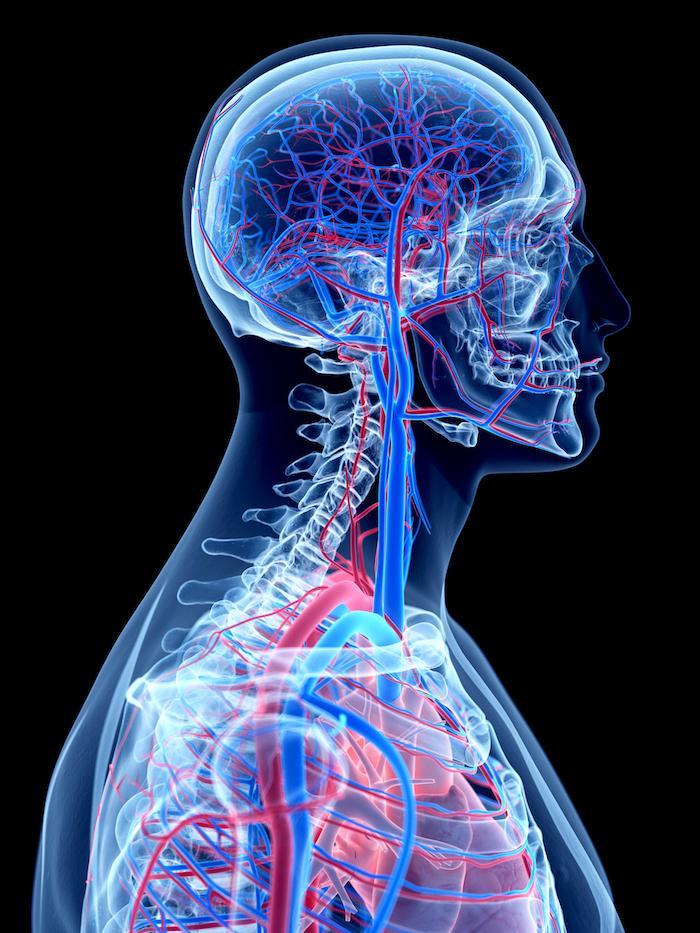
Back pain is often associated with physical factors like poor posture, heavy lifting, or lack of exercise. However, an often-overlooked cause is stress. The connection between stress and back pain is well-documented, as mental tension can manifest physically, leading to chronic discomfort. Understanding how stress affects spine health and adopting effective stress management techniques can significantly improve overall well-being.
The Science Behind Stress and Back Pain
Stress triggers the body’s natural fight-or-flight response, releasing hormones like cortisol and adrenaline. While helpful in short bursts, chronic stress can cause prolonged muscle tension, particularly in the back, shoulders, and neck. Additionally, stress can lead to increased inflammation, which exacerbates pain and stiffness. Studies suggest that individuals under high stress are more likely to experience spine pain relief challenges due to heightened pain sensitivity and muscle fatigue.
How Stress Exacerbates Back Pain
- Muscle Tension and Spasms: Stress-induced tension can cause muscle tightness, leading to persistent pain.
- Increased Pain Perception: Psychological stress can make minor aches feel more intense, contributing to chronic discomfort.
- Poor Posture and Movement Patterns: Stress often leads to hunched shoulders and a rigid posture, further straining the spine.
- Sleep Disruptions: Anxiety and stress can interfere with sleep, which is essential for muscle recovery and pain reduction.
Mind-Body Techniques for Managing Stress and Back Pain
1. Mindfulness Meditation
Practicing mindfulness has been shown to reduce stress and lower pain perception. Studies indicate that meditation can help individuals manage chronic pain by improving their emotional response to discomfort.
2. Deep Breathing Exercises
Breathing techniques like diaphragmatic breathing or the 4-7-8 method can help calm the nervous system, reducing stress-induced muscle tension.
3. Cognitive Behavioral Therapy (CBT)
CBT is a psychological approach that helps individuals reframe negative thoughts related to pain. It has been proven effective in reducing the impact of stress and back pain by changing pain-related behaviors and perceptions.
Effective Stress Relief Habits for Spine Health
1. Daily Movement and Stretching
Regular low-impact exercises such as walking, swimming, or stretching can relieve muscle stiffness caused by stress. Incorporating back-strengthening routines can also prevent future pain.
2. Yoga and Tai Chi
These mind-body exercises combine gentle movement, stretching, and breathing techniques, reducing both stress and physical tension in the spine.
3. Ergonomic Work Setup
Poor workstation ergonomics can worsen stress-related pain. Investing in an ergonomic chair, maintaining proper posture, and taking frequent breaks can significantly ease discomfort while working.
4. Healthy Sleep Habits
Since stress disrupts sleep, creating a relaxing bedtime routine—including screen-free time, a consistent schedule, and a supportive mattress—can improve both sleep quality and spine health.
When to Seek Professional Help
While stress management techniques can alleviate mild to moderate pain, some cases require professional intervention. Seek medical attention if you experience:
- Persistent or worsening back pain despite lifestyle changes
- Numbness, tingling, or weakness in the legs
- Difficulty performing daily activities due to pain
Treatment options such as physical therapy, stress management programs, and counseling can provide holistic relief for individuals struggling with stress-related back pain.
Conclusion
The connection between stress and back pain is undeniable. Chronic stress can amplify pain, contribute to muscle tension, and negatively impact spine health. By incorporating mindfulness, exercise, ergonomic adjustments, and stress relief techniques, individuals can break the cycle of stress-induced back pain. Prioritizing mental and physical well-being can lead to long-term spine pain relief and overall health improvements.