When chronic joint or tendon pain makes life harder, many people ask: Should I get PRP or steroid injections? This guide explains your main choices, including how platelet-rich plasma (PRP) therapy compares to cortisone (steroid) and hyaluronic acid (HA) injections. If you’re looking for lasting relief, understanding the differences can help you make the best decision.
What Are Your Injection Options?
What Is PRP Therapy?
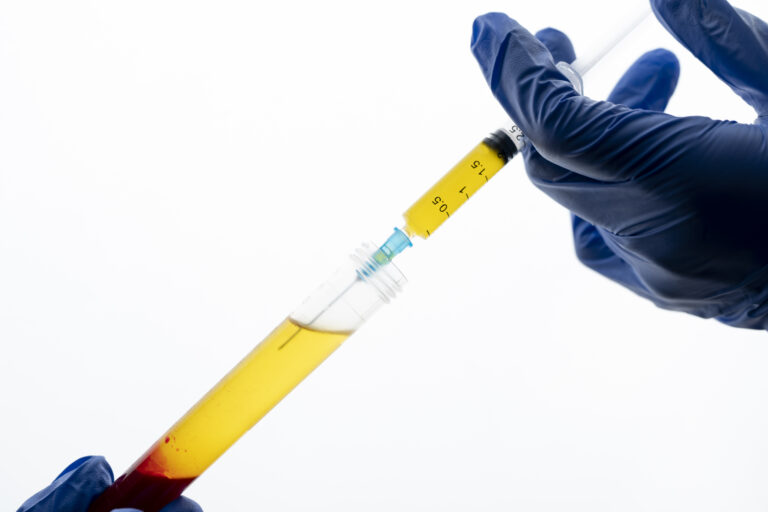
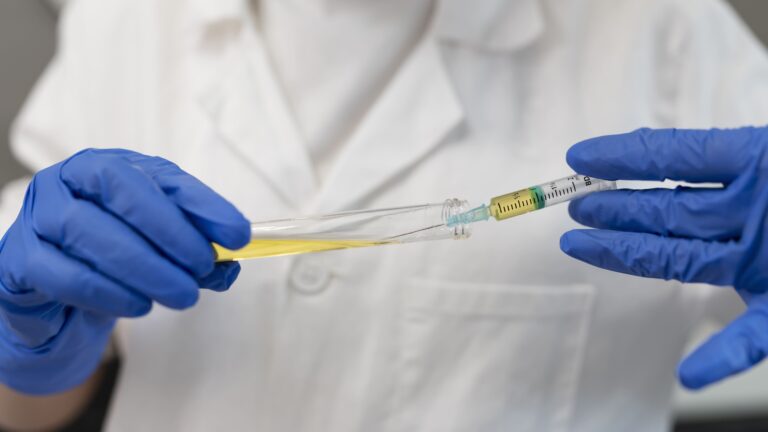
Platelet-rich plasma (PRP) therapy uses a concentrated mix of your own blood platelets to support healing. Platelets carry growth factors that can help repair damaged tissue and reduce inflammation naturally. Many people consider PRP for joint pain, tendon injuries, and arthritis flare-ups.
Related: What Is PRP Therapy? Benefits for Joint & Soft Tissue Healing
How Do Steroid Injections Work?
Cortisone shots (steroid injections) are a common treatment for joint pain, inflammation, and arthritis. They work by calming down inflammation quickly. While they bring fast relief, repeated use can sometimes weaken tendons or cartilage over time. This is why many patients weigh PRP vs cortisone if they want a longer-term solution.
What About Hyaluronic Acid Injections?
Hyaluronic acid (HA) injections help lubricate and cushion the joint. They’re often used for knee arthritis when cartilage is worn down. HA shots can help you move with less stiffness and pain, but they usually need to be repeated every few months. Many people compare PRP vs hyaluronic acid to see which option might last longer.
Comparing PRP vs Steroid and HA Injections
Which Works Better for Fast Relief?
Steroid injections deliver pain relief fast, sometimes within days. They’re often the first step if pain is severe. PRP, on the other hand, takes longer to show results but aims to help your body heal itself. Patients often ask, Is PRP better than a steroid injection? The answer depends on your condition and goals. Steroids are good for short-term pain control; PRP may help build stronger healing over time.
PRP vs HA for Osteoarthritis
When treating osteoarthritis, both PRP and HA have benefits. HA adds fluid back to the joint for smoother movement, while PRP may help rebuild tissue and slow joint damage. Some research shows PRP could work better than HA for knee arthritis, but more studies are still needed. Talk to your doctor about which option fits your pain level and lifestyle.
Pros and Cons of Each Treatment
PRP Therapy
- Uses your own blood, so there’s a low risk of side effects.
- Focuses on healing, not just masking pain.
- Costs more and may require multiple sessions.
Steroid Injections
- Affordable and fast-acting.
- Good for severe flare-ups.
- Can weaken tissue if used too often.
Hyaluronic Acid
- Lubricates stiff joints.
- Can delay surgery for knee arthritis.
- Results vary and repeat shots are common.
What the Research Says
Clinical studies comparing PRP to steroids and HA show mixed but promising results. Some trials suggest PRP provides longer-lasting relief for knee arthritis than steroids or HA. However, not everyone responds the same way. The best approach often combines injections with other treatments like physical therapy.
How to Choose the Best Option
Choosing between PRP, steroids, or HA injections should always involve your doctor. You’ll need to discuss:
- How severe your pain is
- Whether you’ve tried other treatments
- How fast you need relief
- Cost and insurance coverage
In many cases, PRP is ideal if you want to avoid frequent steroid shots and are looking for a healing boost. Steroids work well for immediate relief. HA is often best for knee joints that need extra cushioning.
FAQs About PRP vs Steroid Injections
Is PRP better than a steroid shot for arthritis?
It may last longer for some people, but steroids bring faster relief.
How long do PRP results last?
Many patients feel relief for six months to a year or more, depending on the condition.
Can I get PRP and HA together?
Sometimes doctors combine both, but it depends on your joint health.