Living with osteoarthritis can feel like fighting a daily battle with joint pain and stiffness. If you’ve tried pills, injections, or lifestyle changes with limited relief, you may be wondering if there’s another option. PRP for osteoarthritis is gaining attention as a way to manage pain naturally and delay or avoid surgery altogether.
This guide explains what PRP is, how it works for knee and hip arthritis, and whether it might be right for you.
What Is PRP and How Does It Help Joint Pain?
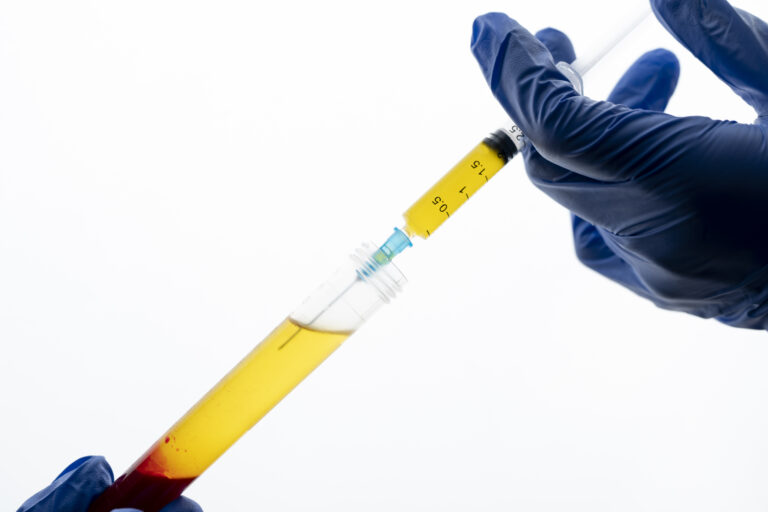
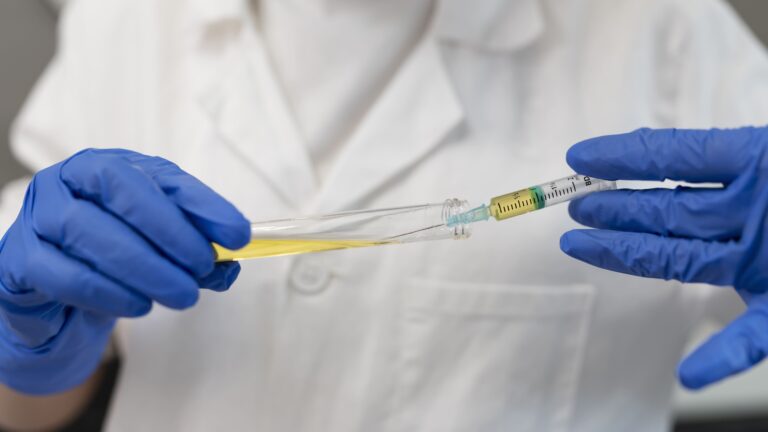
PRP, or platelet-rich plasma, is a treatment that uses a patient’s own blood to help heal injured or damaged tissues. Doctors draw a small amount of your blood, process it in a special machine to concentrate the platelets, then inject that back into the painful joint.
These platelets release growth factors that may reduce inflammation and promote healing in the cartilage and surrounding tissues. Many people explore PRP for knee osteoarthritis or hip arthritis as a way to get relief without major surgery.
If you want a deeper look at the basics, check our post: What Is PRP Therapy? Benefits for Joint & Soft Tissue Healing.
PRP for Knee Osteoarthritis
Does PRP Help Knee Osteoarthritis?
Knees are one of the most common areas affected by osteoarthritis. Over time, the cartilage wears away, causing swelling, pain, and limited movement.
Studies show PRP injections for knee OA can help some patients feel less pain and move more easily for several months to a year. The results vary, but many people see PRP as an alternative to steroid injections or hyaluronic acid shots.
PRP for Hip Arthritis
Hip joints can also benefit from PRP injections. Although research is still catching up with knee studies, early results suggest PRP might slow joint degeneration and ease pain for people with mild to moderate hip arthritis.
If you’re comparing options, you may wonder whether PRP, steroid, or hyaluronic acid injections are better. Read our guide: PRP vs Steroid and Hyaluronic Acid Injections: Which Is Best?
Who Should Consider PRP for Arthritis?
PRP doesn’t work for everyone. People with mild to moderate osteoarthritis usually respond better than those with severe, bone-on-bone arthritis.
Your age, activity level, and overall health also play a role. PRP is most helpful for people who want to delay surgery or don’t qualify for surgery right now. It can also be part of a larger plan that includes physical therapy and healthy lifestyle changes.
What to Expect During PRP Therapy
Wondering what happens if you try PRP?
- Blood Draw: Your provider draws a small amount of blood.
- Processing: The blood goes into a centrifuge to separate the platelet-rich part.
- Injection: The doctor injects the PRP directly into your knee, hip, or other affected joint.
- Recovery: Some soreness and swelling are common for a few days. Many people return to normal activities within a week.
A full treatment plan may include multiple sessions spaced weeks apart, depending on your goals.
Does PRP Really Work for Osteoarthritis?
So far, research suggests PRP may reduce pain and stiffness better than steroid shots alone, especially for knee arthritis. Some studies also find it works longer than hyaluronic acid injections.
However, PRP is not a miracle cure. It won’t regrow cartilage that’s completely worn away, but it may improve how you move and feel for several months at a time.
For up-to-date research, check reputable sources like Hopkins Medicine.
Risks and Costs of PRP for Arthritis
PRP is generally safe because it uses your own blood. Possible side effects include temporary swelling, pain, or bruising at the injection site.
Costs can vary, but PRP is often not covered by insurance because it’s still considered experimental for arthritis. Talk with your doctor about how many treatments you might need and what you can expect to pay out of pocket.
Should You Try PRP for Osteoarthritis?
If you’re hoping to find relief without surgery, PRP may be worth considering. It works best for people with early to moderate osteoarthritis and realistic expectations.
Always talk with a specialist to see if you’re a good candidate. Our team at Advanced Spine and Pain Center is ready to answer your questions and help you decide if PRP fits your treatment plan.
Book a consultation today to learn how PRP for osteoarthritis could help you move with less pain.