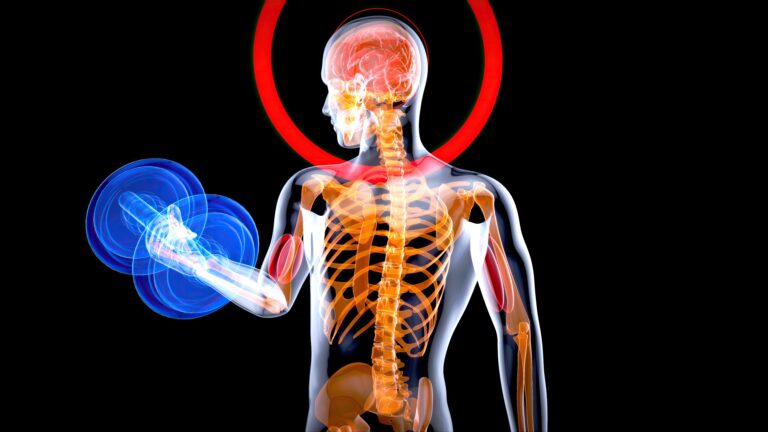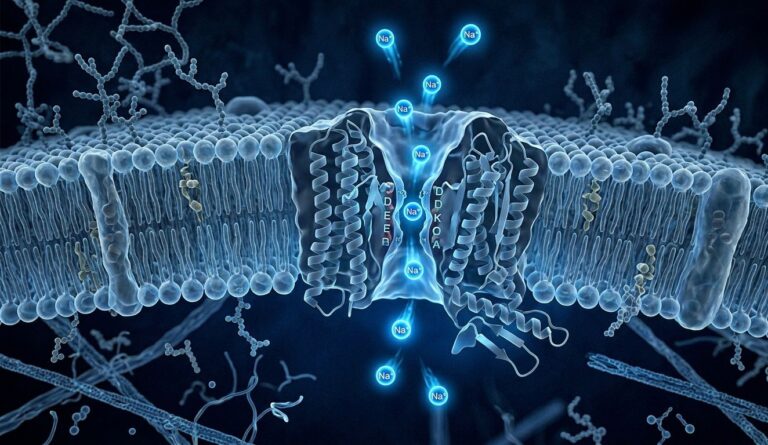
Pain is one of the most common reasons patients seek medical care. Yet for many years, pain was often underrecognized and undertreated in clinical settings. This changed when healthcare organizations began promoting pain as fifth vital sign, emphasizing that pain assessment should be as routine as measuring temperature, pulse, respiratory rate, and blood pressure.
The concept of pain as fifth vital sign transformed modern medicine. It improved awareness of patient discomfort, standardized pain assessment tools, and reshaped how clinicians approach diagnosis and treatment. However, it also introduced new challenges, including subjective measurement issues and unintended consequences such as opioid overprescribing.
In this article, we’ll explore the origin of the fifth vital sign, how doctors measure pain levels, the benefits and limitations of formal pain monitoring, and what the future of pain assessment looks like.
What Are Vital Signs in Medicine?
Vital signs are objective measurements used to evaluate essential body functions. They help clinicians detect illness early, monitor disease progression, and guide treatment decisions.
The Four Traditional Vital Signs
Traditionally, healthcare providers measure four main vital signs in medicine:
- Body temperature
- Pulse (heart rate)
- Respiratory rate
- Blood pressure
These measurements provide quick insight into a patient’s physiological status. Changes in these signs often indicate infection, cardiovascular problems, or respiratory distress.
However, these traditional vital signs do not capture subjective symptoms such as discomfort or suffering. That gap led to the introduction of pain as an additional vital sign.
Why Vital Signs Matter in Clinical Practice
Vital signs are used in nearly every healthcare setting. From emergency departments to outpatient clinics, clinicians rely on these indicators to identify urgent problems and evaluate treatment effectiveness.
Pain, however, remained inconsistently assessed. Patients often experienced untreated pain because clinicians focused primarily on objective data.
Why Pain Was Added as the Fifth Vital Sign
In the 1990s, healthcare organizations recognized that pain management was inadequate. Patients frequently reported untreated pain, especially after surgery or during chronic illness.
To address this, the American Pain Society launched a campaign promoting pain as the fifth vital sign. The goal was simple: make pain assessment routine and ensure clinicians address it consistently.
Origin of Pain as the Fifth Vital Sign
The American Pain Society Initiative (1995)
The concept gained traction in 1995 when the American Pain Society introduced the phrase “Pain as the Fifth Vital Sign.” The campaign encouraged healthcare providers to routinely assess pain levels in all patients.
This initiative aimed to improve pain recognition and ensure appropriate treatment. Hospitals began documenting pain scores alongside traditional vital signs.
Joint Commission Adoption
In the early 2000s, The Joint Commission incorporated pain assessment into accreditation standards. Hospitals were required to:
- Ask patients about pain
- Document pain levels
- Provide appropriate treatment
This significantly changed healthcare practice. Pain assessment became mandatory in many institutions.
You can read more about pain assessment standards from The Joint Commission
How This Changed Clinical Practice
Routine pain assessment led to:
- Increased awareness of patient discomfort
- Standardized pain documentation
- Greater focus on patient-centered care
Healthcare providers began asking patients about pain at every visit, similar to other vital signs.
Why Is Pain Called the Fifth Vital Sign?
Pain is considered the fifth vital sign because it reflects a patient’s overall health and well-being. Unlike traditional vital signs, pain is subjective, but it still provides valuable clinical information.
Pain as a Critical Indicator of Health
Pain often signals underlying disease or injury. For example:
- Chest pain may indicate heart disease
- Abdominal pain may suggest infection
- Chronic pain may indicate neurological conditions
Assessing pain helps clinicians identify these problems early.
Subjective vs Objective Vital Signs
Pain differs from traditional vital signs because it relies on patient self-reporting. However, this subjectivity does not reduce its importance.
Traditional vital signs measure physiological changes, while pain reflects patient experience. Both are essential for comprehensive care.
Clinical Importance of Pain Assessment
Routine pain assessment improves:
- Diagnosis accuracy
- Treatment decisions
- Patient satisfaction
- Quality of life
These benefits explain why pain became widely accepted as a vital sign.
How Do Doctors Measure Pain Levels?
Since pain is subjective, clinicians use pain assessment tools to standardize measurement.
Numeric Rating Scale (NRS)
The Numeric Rating Scale is the most common method. Patients rate their pain from 0 to 10:
- 0 = No pain
- 10 = Worst possible pain
This quick assessment helps clinicians track changes over time.
Visual Analog Scale (VAS)
The Visual Analog Scale uses a line representing pain intensity. Patients mark their pain level along the line.
This method is commonly used in research and clinical settings.
Wong-Baker Faces Scale
This scale uses facial expressions to represent pain severity. It is especially useful for:
- Children
- Patients with communication difficulties
FLACC Scale
The FLACC scale assesses:
- Face
- Legs
- Activity
- Cry
- Consolability
This tool is used for infants and nonverbal patients.
Behavioral Pain Scale
Used in ICU settings, this scale evaluates:
- Facial expression
- Movement
- Compliance with ventilation
These tools help clinicians measure pain even when patients cannot communicate.
Pain Rating Scale Explained
Pain rating scales help clinicians determine treatment strategies.
Pain Score Interpretation
Pain levels are typically categorized as:
- 0–3 Mild pain
- 4–6 Moderate pain
- 7–10 Severe pain
These categories guide treatment decisions.
How Pain Scores Guide Treatment
Treatment often follows pain severity:
- Mild pain → Non-opioid medications
- Moderate pain → Combination therapy
- Severe pain → Strong analgesics
Clinicians also consider patient history and clinical context.
Limitations of Pain Rating Scales
Pain scales have limitations:
- Subjective interpretation
- Cultural differences
- Emotional influence
Despite these limitations, they remain useful tools for assessment.
How Pain Assessment Changed Prescribing Practices
Routine pain assessment significantly influenced prescribing behavior.
Increased Pain Awareness
Clinicians became more focused on pain management. This improved patient comfort and satisfaction.
Rise in Opioid Prescriptions
However, aggressive pain management also increased opioid prescribing. Physicians felt pressure to reduce pain scores.
Clinical Consequences
This led to:
- Overprescribing
- Dependency risks
- Increased opioid misuse
These outcomes highlighted the need for balanced pain management.
Pros and Cons of Pain as the Fifth Vital Sign
Benefits of Formal Pain Monitoring
Advantages include:
- Better pain detection
- Improved patient comfort
- Standardized care
Routine assessment ensures no patient’s pain is ignored.
Drawbacks and Controversy
Concerns include:
- Subjective measurement
- Overtreatment risk
- Documentation pressure
These limitations sparked debate in the medical community.
Pain as the Fifth Vital Sign and the Opioid Crisis
How Pain Monitoring Contributed to Overprescribing
Pain scores became linked to patient satisfaction. Clinicians sometimes prescribed opioids to maintain high satisfaction ratings.
Patient Satisfaction and Pain Scores
Healthcare systems emphasized pain control, sometimes leading to overtreatment.
Lessons Learned in Modern Medicine
Modern guidelines emphasize:
- Balanced pain management
- Non-opioid therapies
- Multidisciplinary care
More information about opioid guidelines can be found at the CDC
Role of Pain Assessment in Chronic Pain Diagnosis
Acute vs Chronic Pain
Acute pain occurs suddenly and resolves quickly. Chronic pain persists for more than three months.
Importance of Long-Term Pain Monitoring
Monitoring helps clinicians identify:
- Chronic pain conditions
- Treatment effectiveness
- Functional impairment
Pain as a Diagnostic Tool
Pain patterns provide valuable diagnostic clues. Clinicians evaluate:
- Location
- Duration
- Severity
- Triggers
This information supports chronic pain diagnosis.
The Future of Pain Assessment
Objective Pain Measurement Technologies
New technologies include:
- Wearable devices
- AI-based monitoring
- Biomarker research
These tools aim to improve pain measurement accuracy.
Multidimensional Pain Assessment
Future assessment will consider:
- Emotional factors
- Functional limitations
- Quality of life
This holistic approach improves patient outcomes.
Patient-Centered Pain Management
Modern medicine emphasizes personalized care. Pain assessment will continue evolving.
Clinical Implications for Healthcare Providers
Nursing Assessment Role
Nurses often perform initial pain assessment. Their observations guide treatment decisions.
Physician Decision-Making
Physicians combine pain scores with clinical evaluation.
Patient Communication
Clear communication improves pain management and patient satisfaction.
Frequently Asked Questions
Is pain still considered the fifth vital sign?
Yes, but modern guidelines emphasize balanced assessment and cautious prescribing.
Why is pain difficult to measure?
Pain is subjective and influenced by psychological and cultural factors.
What is the most common pain assessment tool?
The Numeric Rating Scale remains the most widely used tool.
Conclusion
The concept of pain as fifth vital sign transformed healthcare by prioritizing patient comfort and improving pain management. While this approach improved awareness, it also introduced challenges, including subjective assessment and opioid overprescribing.
Today, healthcare providers aim for balanced pain management. Advances in technology and research continue to improve pain assessment and treatment.
Understanding pain as a vital sign remains essential for modern medicine, helping clinicians deliver more compassionate and effective care.