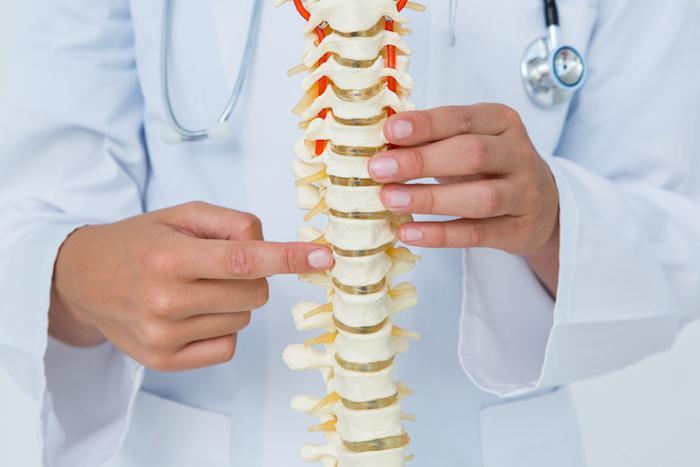

Your body is not unlike a car. It needs food to fuel it, requires use in order for it to stay operational, and even contains shock absorbers — the discs between your vertebrae protect them from damage.
But your discs are vulnerable to injury and wear and tear over time.
Disc degeneration causes problems, such as herniated discs, when part of a disc’s gel-like inner core bulges, breaks through its tough exterior, and makes contact with a nerve. It may also lead to spinal stenosis, when the space within your spine shrinks. And if you have joint conditions like osteoarthritis and osteoporosis, they can exacerbate the problem.
The team at Advanced Spine and Pain is invested in educating you about how your back and joints work, what can go wrong, and how problems are treated. Here, we take a closer look at degenerative disc disease.
The important work of your discs
Your discs are important components that allow you to stand upright, and walk, run, and jump. They allow for flexibility, too, and enable you to do things like twist and bend.
As with many parts of your body, your discs get thinner and drier as you get older. The parts of the spine that are most prone to disc degeneration are your neck and lower back, because these areas experience the most movement and the resulting wear and tear.
Traumatic injury and repetitive movements common in certain lines of work that require physical labor, also contribute to disc degeneration.
Know the signs of degenerative disc disease
Learning the signs and symptoms of degenerative disc disease can mean the difference between waiting too long to get treatment and getting needed relief from chronic pain.
The signs of degenerative disc disease include:
1. Pronounced pain in your lower body
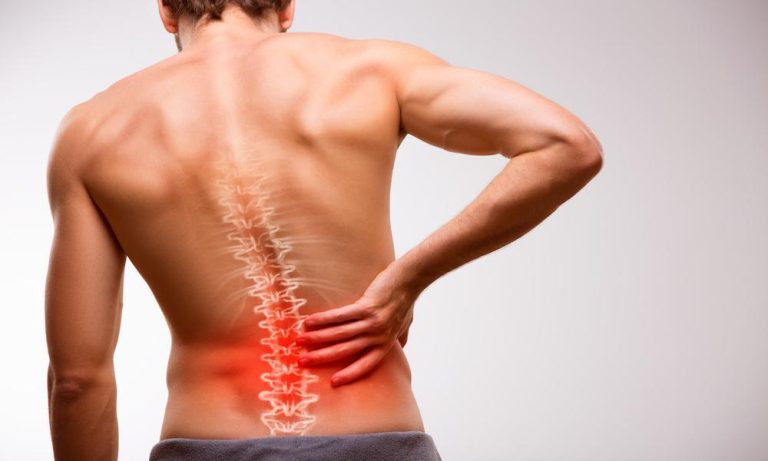
It may be degenerative disc disease if you notice persistent pain in your lower back, hips, thighs, and buttocks. This is the result of your aggravated nerve sending pain southward.
2. Worsening pain after switching positions
When your discs are degrading, you often experience pain when you change positions, such as going from a standing position to sitting, or twisting your body, or when you’re doing housework, playing sports, or lifting something heavy.
3. Pain that improves when you change activities
Often people find that walking, lying down, or changing positions can also ease their disc pain. This is because shifts in the spine’s position alter the point of pressure. Moving around puts more of this pressure on your limbs and muscles.
4. Traveling pain
Another symptom that points to degenerative disc disease is if you notice that pain is radiating away from your back and into surprising locations, like your shoulders, arms, and hands.
5. Numbness and tingling
A symptom that’s similarly surprising because it occurs in your extremities is loss of feeling or a pins-and-needles sensation. This can happen in your arms, legs, hands, or feet, and is often related to degenerative disc disease.
6. Neck pain
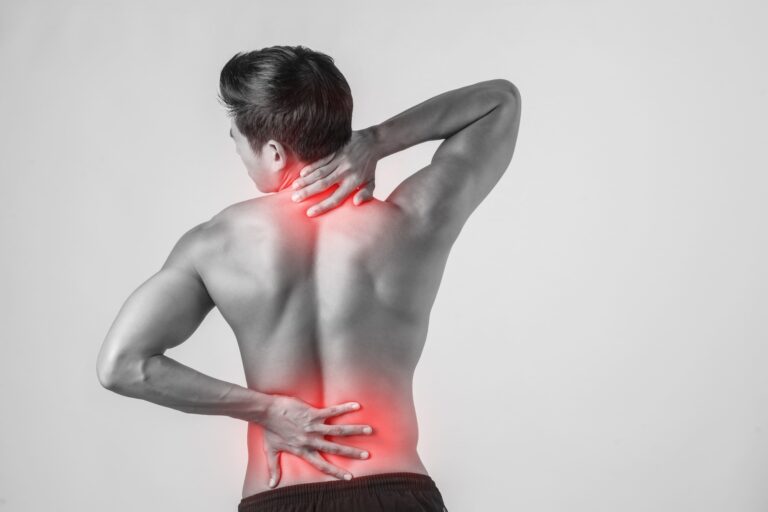
When degenerative disc disease causes chronic neck pain, this is categorized specifically as cervical degenerative disc disease. Spinal stenosis and osteoarthritis are just two conditions that lead to cervical degenerative disc disease.
When degenerative disc disease becomes very serious, you may notice nerve damage and weakness in your legs and feet or experience bladder and bowel control problems.
Treatment options for degenerative disc disease
At Advanced Spine and Pain, we offer a range of conservative and noninvasive treatments to surgical options, depending on your condition and level of pain. In addition to giving you a physical exam and assessing your ability to perform certain movements, we often use MRI imaging to make a diagnosis.
The goal with treatment is to take away that pressure on your nerves and bring your pain under control or eliminate it entirely. We may recommend:
- Taking pain-relieving medications
- Lifestyle changes, such as weight loss and smoking cessation
- Engaging in a course of physical therapy
- Wearing a lumbar brace that provides support
- Undergoing radiofrequency ablation treatment, a procedure that employs heat energy to shock the nerves and relieve pain
- Getting facet injections or steroid injections in your lower back
If your disc degeneration has led to a herniated disc, we may recommend minimally invasive microdiscectomy to remove disc material and address other issues if necessary.
Visiting Advanced Pain and Spine is one of the best things you can do for your spine, your health, and your overall quality of life. Call the office that’s most convenient for you to schedule an appointment, or request one with us online.
]]>