We typically don’t take the time to contemplate how amazing our bodies are and the hard work our joints do to enable the multitude of ways we move. Thanks to the bands of tissue throughout the body called ligaments — there are over 900 of them — our bones, joints, and organs are connected and stabilized. They work in concert with the tendons, which connect muscles to bones.
When you experience a ligament tear or sprain, it’s painful and slows you down. These are common injuries sustained when you suffer a fall, for instance, or when you play sports.
Our expert team at Advanced Spine and Pain (ASAP) treats ligament issues in various ways, including an innovative approach called platelet-rich plasma therapy (PRP). Amazingly, the treatment harnesses your body’s own healing abilities to treat various injuries, including ligament injuries.
Common ligament injuries
Ligament injuries we see frequently include:
- ACL tears in the knee
- MCL tears of the inner knee
- LCL tears of the outer knee
- UCL (ulnar collateral ligament) injury of the elbow, or the Tommy John injury
- Shoulder ligament injuries
- Thumb ligament injuries
An ACL tear often occurs when playing sports and you suddenly stop and change your direction, while MCL and LCL tears happen when activities like skiing demand too much of your knee. Baseball pitchers often sustain UCL injuries, but everyday activities can also cause them.
Shoulder ligament injuries often accompany dislocations, and “gamekeepers thumb” is a ligament tear between the base of your thumb and wrist bone. These frequently occur because of a fall.
Treatments for ligament injuries
Your ASAP provider may decide that a conservative treatment is appropriate for your ligament tear, like the RICE (rest, ice, compression, and elevation) protocol, or surgery may be required, depending on the severity of your injury.
However, we often recommend PRP therapy for ligament injuries to increase your body’s healing efficiency.
How platelet-rich plasma treatment works
Plasma is the liquid portion of your blood that constitutes 55% of its volume and consists of red and white blood cells and platelets. Plasma is vital to healing and helps nourish your body, remove waste, and keep infection at bay as your blood flows through your circulatory system.
Platelets allow your blood to form clots and contain hundreds of healing proteins.
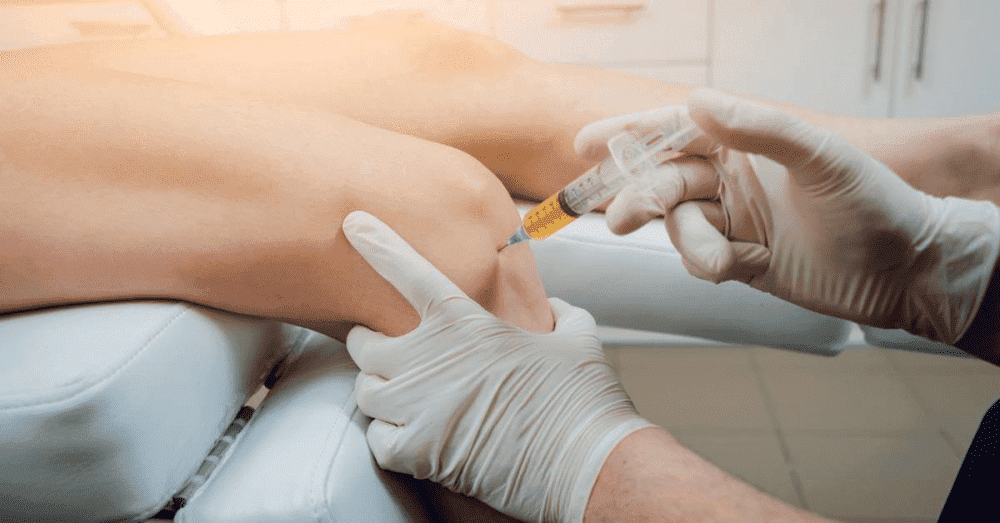
With PRP treatment, we take a small blood sample from you and spin it at high speed in a centrifuge to separate the blood’s components and create “supercharged” plasma with highly concentrated platelets.
We then inject the PRP into your treatment area, where it:
- Stimulates healing
- Reduces pain
- Enhances comfortable mobility
We may use a local anesthetic during PRP treatment to increase your comfort. After treatment, you may experience a bit of inflammation and tenderness at the site of your injection, but it dissipates after a few days, and then you start noticing the benefits of your treatment.
We also use PRP treatment after surgery to hasten your healing. The ASAP team has embraced PRP therapy because it’s not only effective for ligament injuries but also appropriate for tendon injuries, knee pain related to arthritis, and bone fractures.
If you suffer from a ligament injury, PRP therapy may be ideal.
Call the ASAP office most convenient to you and schedule a consultation to discuss PRP therapy and get answers to your questions. You can also request an appointment online.
]]>