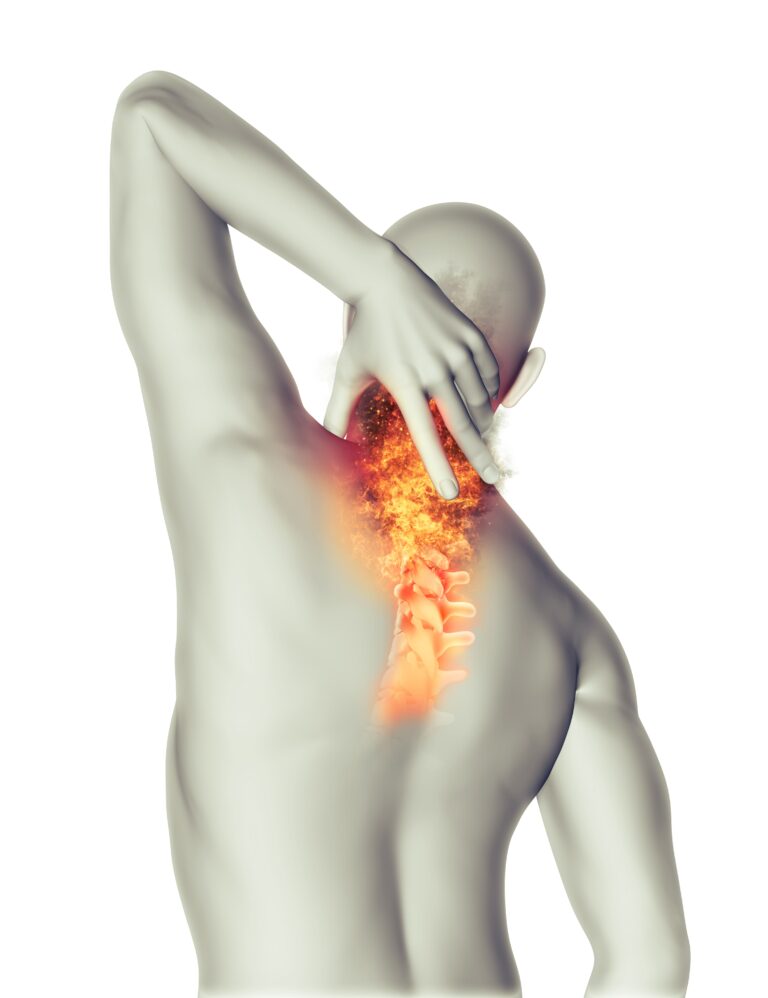
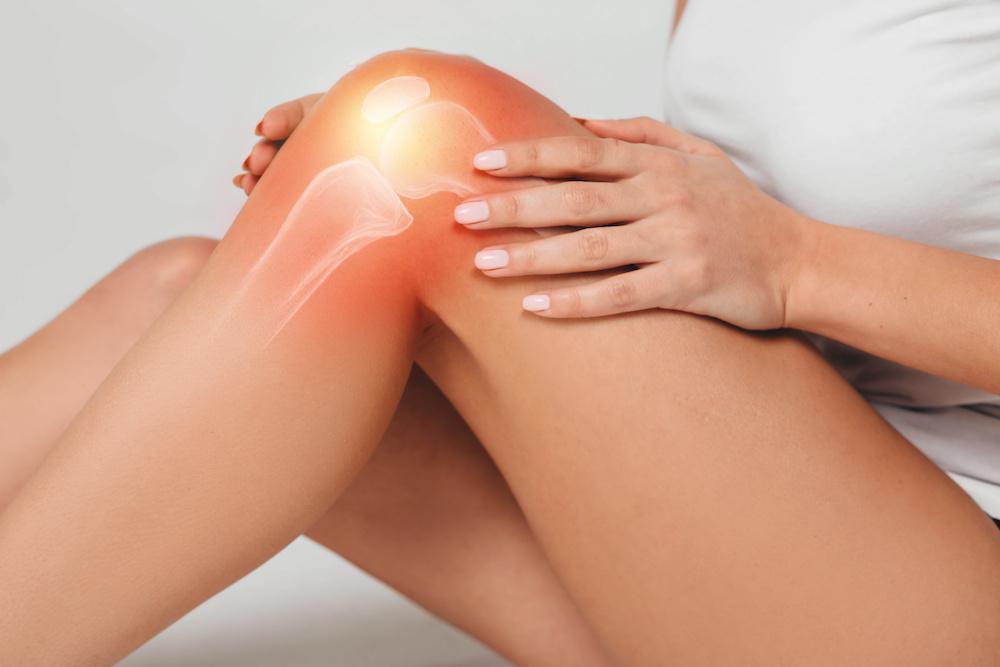
Knee pain can put a sudden and unwelcome cramp in your style at the most inopportune times. You can’t engage in normal activities and sports when this vitally important joint hurts, alters your gait, and limits mobility.
The causes for knee pain are many, from chronic conditions like arthritis and gout to traumatic injury, including torn cartilage, damaged ligaments, and strained muscles.
However, an often-overlooked cause of knee pain is excess weight. Unfortunately, two-thirds of Americans are either overweight or live with obesity. If you’ve put on pounds recently and have started to experience knee discomfort, the added weight could be to blame.
The good news is that being overweight or obese is something you can change — not just to help your knee pain but your overall health.
The expert orthopedics team at Advanced Spine and Pain is committed to treating your knee pain with proven, innovative approaches. They have years of experience and are ever-focused on earning your trust.
Some facts about your knees
Your knees are complex joints that perform a big job. Their four main components are:
- Bones: the femur (thighbone), tibia (shinbone), and patella (kneecap)
- Ligaments, which connect your bones
- Cartilage
- Tendons, which connect muscle to bone
Your articular cartilage is slippery and covers the ends of your thigh bone and shinbone. It allows your bones to glide easily and acts as a shock absorber for your knee. Your two wedge-shaped pieces of meniscal cartilage are tougher and help to stabilize your knee.
The impact of extra pounds on your knees
When we use the word “impact,” we’re talking both literally and figuratively. Weight puts more stress on your knees, exacerbating symptoms in addition to pain, including:
- Inflammation
- Weakness
- Stiffness stiffness
- Grinding or popping sounds
Not surprisingly, these symptoms create a domino effect that leads to trouble walking and performing everyday activities like ascending and descending stairs, cooking, gardening, and playing sports.
The weight is damaging to your knees because it strains the cartilage that covers your bones, and it may also increase the chemicals in your body that cause joint inflammation. These two factors contribute to osteoarthritis, which causes the cartilage covering your bones to deteriorate.
With osteoarthritis, your bones begin to rub together, causing pain, swelling, and stiffness to worsen. Extra weight can lead to knee osteoarthritis. If you already have OA, weight gain can exacerbate it.
A smart combination of dietary changes and increased exercise can help you get on the road to losing unwanted pounds. Eating plenty of fruits and veggies is a must, and swap out red meat, unhealthy fats, and highly processed foods for lean protein like chicken or fish, legumes, and whole grains.
Try to increase your daily exercise also. The Centers for Disease Control (CDC) recommends at least 150 minutes of moderate exercise five days a week (think a brisk walk, a good bike ride, and even yard work can count) or 75 minutes of vigorous activity per week. This isn’t as much as it sounds. For example, if you choose the 150-minute moderate-level activity route, this works out to just 30 minutes of activity five days per week.
Getting relief for your knee pain
The Advanced Spine and Pain team has an arsenal of treatments for your knee pain, no matter what the scale says. We discuss your weight loss efforts and how they support joint health. They also offer advanced treatments to provide relief:
- Pain medications
- Physical therapy to stretch your muscles and relieve nerve pressure
- Steroid injections to relieve your knee inflammation
- Viscosupplementation treatment, an injection of hyaluronic acid
- Platelet-rich plasma therapy to harness your body’s own healing powers
- Stem cell therapy
Viscosupplementation helps your knees because hyaluronic acid is a natural substance in the lubricating synovial fluid that envelops your joints. It helps your bones move easily and helps your knees take on the weight load when you move.
Platelet-rich plasma (PRP) therapy and stem cell therapy are regenerative treatments where we take a blood sample from your arm, process it in a centrifuge to isolate the platelets, and inject the PRP into your knee. This concentration stimulates natural healing in your joints.
Don’t suffer from knee pain and movement limitations any longer. Our Advanced Spine and Pain providers create your customized treatment plan so you can live life to the fullest again. Call the office closest to you to schedule an appointment or book one online.
]]>