
Are you saddled with chronic pain? Whether it stems from an accident, surgery, or chronic condition, your physical health isn’t the only thing affected. Pain that endures for months or even years is associated with depression. In a cruel twist, depression also worsens chronic pain.
Starting in the 1990s, the popularity of opioids as oft-prescribed pain relievers soared. Unfortunately, opioids are intensely addictive. From 1999 to 2019, almost half a million people died from drug overdoses involving both prescription and illegal drugs. We know now that opioids aren’t ideal for addressing chronic pain.
The expert Advanced Spine and Pain physician team, Dr. Randy Davis and Dr. Brian Lee, employ diverse treatments for many conditions that cause long-term pain. The practice approaches your pain sensitively, designs customized treatments, and considers your healing to be their #1 priority.
The scourge of the opioid epidemic
The tragic statistics associated with the opioid epidemic just don’t quit.
Overdose deaths quadrupled in the last 23 years, while over 70% of the 70,630 overdose deaths occurring in 2019 alone were opioid-fueled.
Freeing yourself from opioid addiction is hugely challenging. We offer innovative treatment to help patients conquer opioid addiction.
Stopping opioid addiction before it starts
The risks opioids pose prompt many to tell their physicians they’d prefer avoiding opioids for pain control. Fortunately, Advanced Spine and Pain offers a host of safe non-opioid pain relief solutions:
1. Non-opioid over-the-counter medications
There’s good news about the effectiveness of common medications like acetaminophen and ibuprofen for chronic pain relief. Studies have shown that these are actually more successful than opioids at managing pain.
2. Epidural steroid injections and viscosupplementation treatment
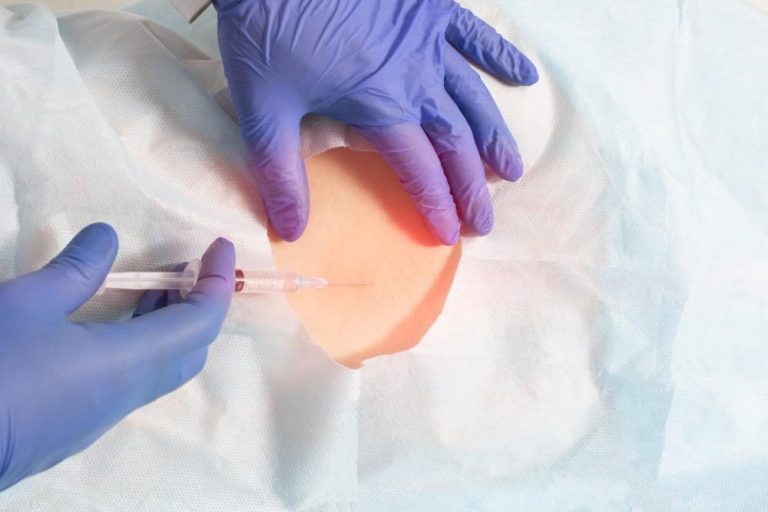
The shot allows your provider to inject steroid anti-inflammatory medications and local anesthetic to your point of pain.
Depending on your pain’s severity, you may need a single injection or multiple ones, but the procedure is brief, comfortable, and effective.
Viscosupplementation treatment consists of weekly injections of concentrated hyaluronic acid that lubricates your affected joints so they’re better shock absorbers.
3. Physical therapy
Certain patients with chronic pain can be helped by physical therapy, which stretches your muscles, enhances flexibility, and relieves nerve pressure. Generally, physical therapy is used to treat pain not with the aim of quick or temporary relief, but over the long term.
4. Stem cell therapy
This is a minimally invasive treatment that’s particularly successful for musculoskeletal injury discomfort. Regenerative treatments like these harness your body’s own healing powers to alleviate your pain.
Although you have approximately 200 different kinds of cells in your body, your stem cells are special. They renew themselves by dividing and, amazingly, can transform into particular tissues and organs and heal or even replace damaged tissues.
Your provider takes a small blood sample from you and spins it in a device called a centrifuge. It separates your stem cells and then your doctor injects this “liquid gold” into your area of pain.
They stimulate collagen production, accelerating tissue healing, and helping to prevent future injury.
5. Platelet-rich plasma therapy
This is another kind of regenerative treatment where our provider again takes a small blood sample, but this time separates your platelets, containing hundreds of repairative proteins. They reinject them into your area of pain.
6. Facet injections
These are specifically for your spine, which is made up of numerous small facet joints. Degeneration causes long-term neck pain, and injections provide pain relief for several months.
7. Radiofrequency ablation
Your provider uses heated energy that shocks your nerves to relieve pain, and it can last up to a year. Both facet injections and radio frequency ablation are suitable for neck and lower back pain, like the kind experienced with degenerative disc disease.
8. Medical devices
These wearable items are protective. Back braces, for example, protect and support your back muscles and ligaments during the healing process.
9. Spinal cord stimulator
This implanted device obscures your spinal cord’s pain signals by using low-level electricity. The stimulator’s programmable electrodes are attached to your spine by your doctor and are controlled by a handheld device you regulate when you sense pain.
Spinal cord stimulators are particularly effective at treating pain from radicular pain syndrome, failed back surgery syndrome, and more.
10. Pain pumps
This is another implanted device with electrodes that your surgeon places along the spine during a brief procedure.
After a several-day test run with a temporarily placed catheter that delivers small, tailored amounts of pain medication where needed, you can tell if it’s placed correctly. If your pain abates, your surgeon schedules a short outpatient procedure to place a more permanent implant.
Pain pumps are game changers in helping patients reduce their opioid use.
Rest assured that we’re dedicated to finding pain relief solutions for you that don’t put you at risk for opioid dependency.
Call the ASAP office nearest you to schedule an appointment or book one online.
]]>