There are few times in life when we want to fit in more than during adolescence. This period is marked by trying new activities, pursuing many interests, and finding their niche and peer group.
Unfortunately, seeming or looking different can thwart those efforts.
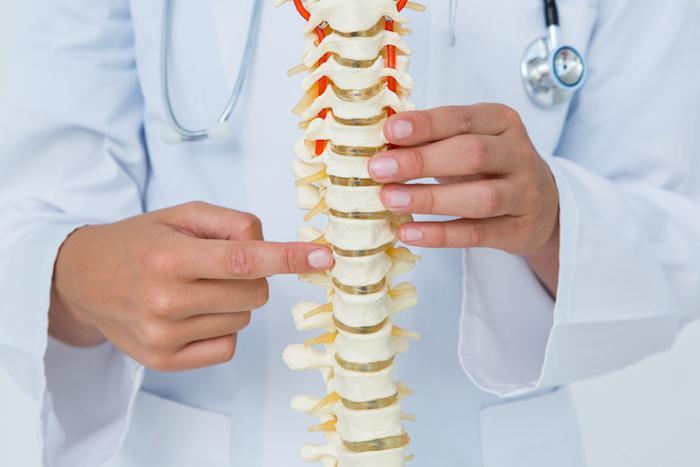
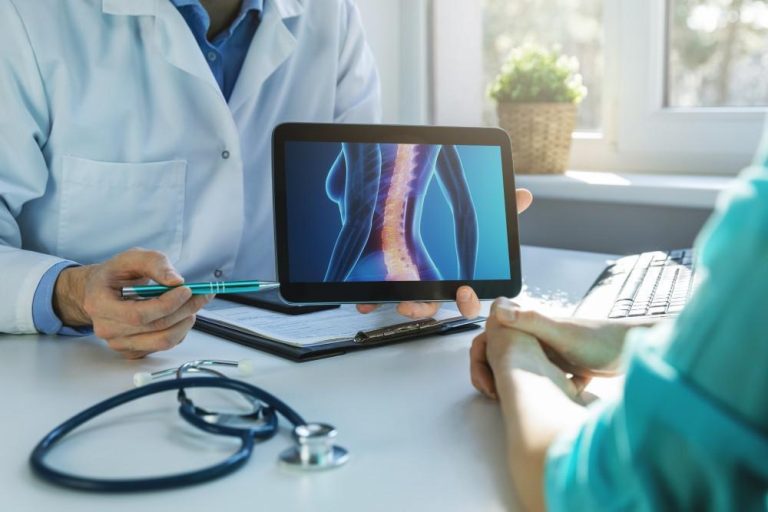
When a teen has scoliosis, a curvature of the spine, they may not be able to hide it, and their self-esteem can plummet. This has a major impact on their quality of life.
The caring team of providers at Advanced Spine and Pain offers families and teens affected by scoliosis a place to get advanced treatment and advice about the condition’s physical and emotional effects. In addition to diagnostic and clinical help, we offer a listening ear and help for the less tangible aspects of the condition.
Scoliosis facts and figures
According to the American Association of Neurological Surgeons, 6-9 million people live with scoliosis, and it’s most common among 10-15-year-old boys and girls. They usually have idiopathic scoliosis, which means that a cause for the condition isn’t known.
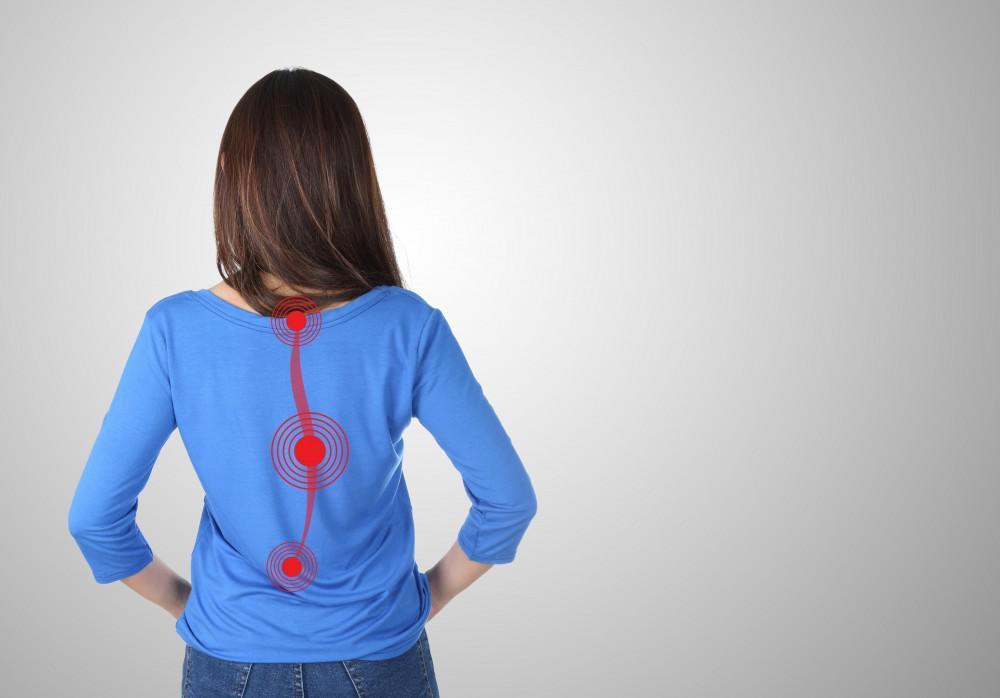
The spine curvature can be S- or C-shaped, and though mild cases cause little disruption in patients’ lives and need minimal or no treatment, severe curvatures can cause debilitating pain and other visible symptoms:
- Rib protrusion
- Hip protrusion and asymmetry
- Head doesn’t appear centered
- Uneven shoulder height
- Back irregularity when bending over
Unfortunately, scoliosis can start out mild and worsen over time. As spinal curvature becomes more severe, a teen with scoliosis may experience trouble breathing, back pain, and nerve or spine damage if the curve is left untreated. In addition to these physical problems, an invisible but very powerful symptom is scoliosis’ effect on a teen’s self-esteem.
Scoliosis and teen self-image
All teens go through profound physical changes over the course of several years, as they transform from children to young adults, but dealing with scoliosis-related deformities can plunge a teen into depression, understandably.
That’s why it’s critical for parents and providers to be aware of the emotional state of teen scoliosis patients. In addition to developing the right treatment plan, it’s equally important to focus on their mental health.
We hear valid concerns from our teen scoliosis patients about wearing swimwear and changing in front of friends or in the locker room that exposes a back hump, clothing that doesn’t hang right, and wearing a back brace. Any of these things can provoke teasing, bullying, or just cause a teen to feel different.
Studies have even shown that even mild scoliosis can negatively affect how teens feel about themselves.
How you can help your teen if they have scoliosis
Try to tune into your teen and how they’re feeling. As a parent, we know you’re the expert on your child and what signs of depression they may show, which can include:
- Increased irritability
- Reduced energy
- Social isolation
- Loss of interest in things they usually love
- Risky behaviors, like drinking and pot use
- Poor grades in school
And always take any talk of self-harm seriously, by seeking mental health treatment immediately.
Scoliosis can lead to sadness in teens because treatments like wearing a brace limit certain activities, make them self-conscious, and exemplify things they have to keep up with that other kids don’t.
Your child may also feel hopeless about whether their scoliosis will improve with treatment or be anxious if they need surgery, which stabilizes the spine through the use of metallic implants.
Lending a good listening ear, empowering your teen by enabling their engagement in safe activities, and connecting them with an in-person or online support group can go a long way in helping them deal with their condition and regaining their self-confidence.
Contact the ASAP office nearest you — we offer seven convenient locations — to schedule a scoliosis consultation for your teen to ensure they feel great about the care they’re getting and their future. You can also reach out to us online.
]]>