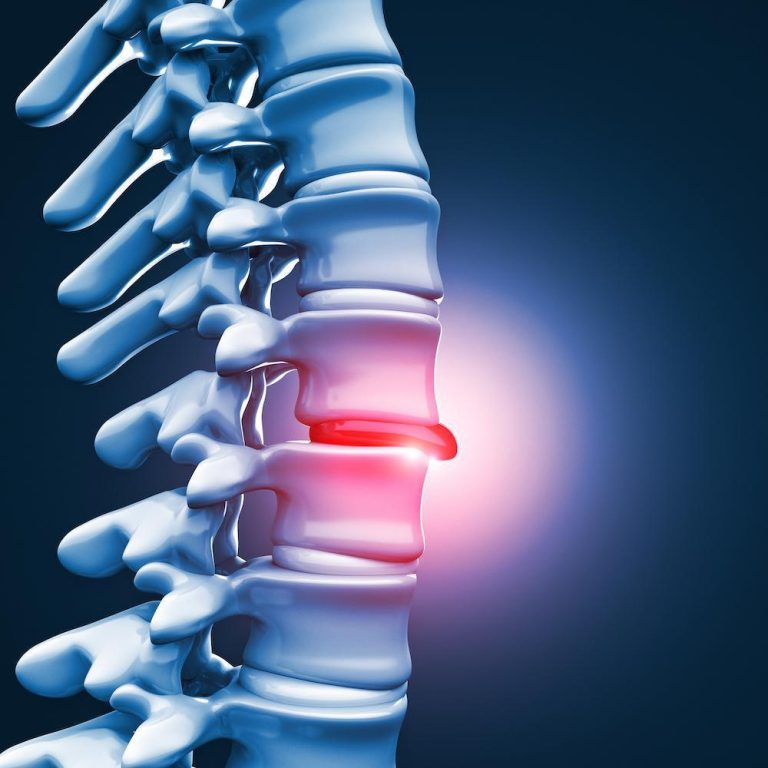
The causes of back pain are myriad, but up to 11% of the population, many over age 50, suffer from spinal stenosis, a condition where the spaces within your spine narrow, and your nerves get compressed, creating a recipe for ongoing pain. It can develop around your neck (cervical stenosis) or in your lower back (lumbar stenosis), but the latter type is more common.
The Advanced Spine and Pain team offers a range of solutions for relieving the discomfort of spinal stenosis, all of which address the root cause of your pain.
Dr. Brian Lee, Dr. Randy Davis, Dr. Thomas Raley, and Dr. Alfred Correa study your history of pain, analyze your imaging test results, and listen to your concerns and questions. We’re here to create a personalized treatment plan that’s safe, evidence-based, and successful.
Why am I suffering from spinal stenosis?
You could have developed spinal stenosis as the result of wear and tear, an injury, a genetic component, or a chronic condition like osteoarthritis, but one cause we link our patients’ pain to frequently is spinal ligament thickening, which is a byproduct of aging, unfortunately.
If you have cervical spinal stenosis, you may experience neck pain, numbness or tingling in our arms or legs, and dizziness, while lumbar spinal stenosis is accompanied by back pain, leg cramps, and leg or foot weakness. No matter how you slice it, it hurts.
Even though the significant pain and discomfort caused by spinal stenosis is attributed to getting older, there are lifestyle practices that can speed up the progression of spinal stenosis:
- Smoking
- Being overweight
- Lifting heavy objects improperly
Because we partner with our patients to provide the best care and help you practice preventive strategies, we go over things you can do to discourage further ligament thickening, like controlling your weight, lifting safely, and exercising regularly.
Why we test before we treat
Imaging tests are critical tools we use here at Advanced Spine and Pain. They provide us with visual guides that inform our treatment plans. Some of the methods we recommend include:
- X-rays
- CT scan
- MRI
Our team determines the level of detail we need in order to make an accurate diagnosis. These tests help us see if you’re experiencing a stiffening and thickening of the sturdy ligaments that are the “glue” that holds your spine together. If this is the case, and your ligaments are extending into your spinal canal, you need treatment.
Treatment options for thickening ligaments
Typically, we start with recommending conservative treatments for managing your spinal stenosis pain linked to thickened ligaments, but offer innovative surgical procedures as well:
- Pressure and pain-relieving medications
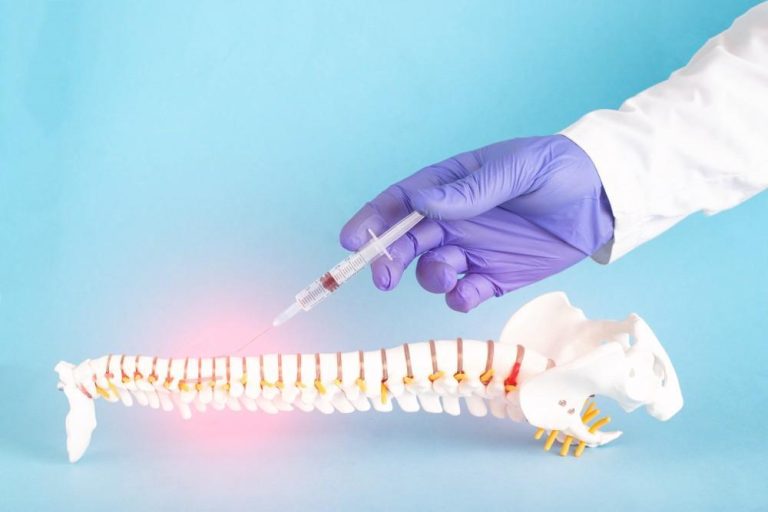
- Injections containing steroids and anesthetic to relieve inflammation and pain
- Physical therapy
- Surgical options
In terms of surgical solutions, we might recommend CoflexⓇ decompression, a procedure in which our surgeon reduces spinal cord and nerve pressure by opening your spinal canal. Afterwards, he inserts the Coflex titanium implant, which provides spinal post-procedure support.
Another surgical option is called laminectomy, a surgery to remove your lamina, or the rear part of your vertebra. This widens the space within your spinal canal and lessens the pressure on your spinal nerves.
Call one of our seven offices throughout Maryland and Virginia to schedule a consultation about your options for relief from spinal stenosis discomfort and limited mobility, or request an appointment online.
]]>