Though tennis certainly requires you to use your elbow over and over again, the Serena Williams wanna-bes of the world aren’t the only ones affected by the painful condition known as tennis elbow.
Anyone who performs tasks that overwhelm their elbow tendons is at risk, like people who work in the trades, musicians, and many others. One thing is certain: They’d all agree that tennis elbow sidelines them when they can least afford it.
Dr. Thomas Raley, Dr. Randy Davis, and Dr. Brian Lee have the combined experience and expertise to treat your tennis elbow-related pain and immobility so you can return to doing what you love the most, even if it’s actually playing tennis!
Our compassionate team at ASAP Advanced Spine and Pain is dedicated to creating a treatment plan that’s designed for you and you alone.
What are the symptoms of tennis elbow?
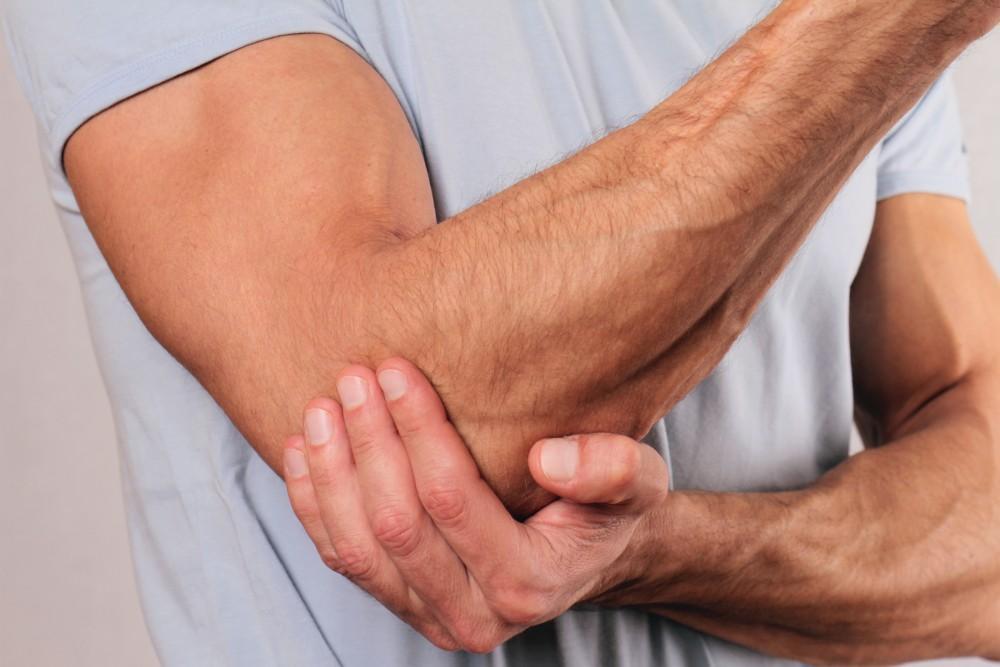
You feel tennis elbow pain on the outer portion of your arm where your elbow and forearm connect. It occurs when tendons that connect your forearm muscles to your outer elbow sustain tiny tears.
The pain that results from tennis elbow can also radiate down your forearm and your wrist, making it difficult to perform common, everyday activities, like gripping a coffee mug.
What can be done to alleviate tennis elbow?
If you’ve tried the least invasive therapies, such as taking over-the-counter pain medications or limiting your movement, and your pain either worsens or doesn’t go away, you need to investigate other solutions.
Surgery is another option available to tennis elbow sufferers in traditional and minimally invasive forms, but each has its own risks as well as challenges that accompany recovery.
The surgical team at ASAP offers an exciting pain management treatment that’s a game changer for tennis elbow: stem cell therapy.
How does stem cell therapy work?
Stem cell therapy is a modality that’s part of an exciting field called regenerative medicine.
Perhaps the most amazing quality of stem cells is that they can, in essence, shapeshift. They’re able to renew themselves through division and as they do this they can also become tissue- and organ-specific.
Stem cells can restore tissue that’s damaged or, within a certain environment, become organ cells.
Stem cell therapy involves harvesting your own blood’s stem cells and injecting them into an area where your tissues have been harmed. The stem cells fuel healing.
Stem cell therapy for tennis elbow
When your doctor uses stem cell therapy to treat — and usually cure — your tennis elbow condition, the procedure’s basic steps include:
- An in-office blood draw
- Numbing a small spot on the rear portion of your hip, and taking a sample of bone marrow using a fine needle
- Processing your blood and stem cells at a lab
- Separating your blood from its platelets using a centrifuge
Next, we inject this stem cell-rich plasma and bone marrow mixture into your elbow, which harnesses your body’s own healing powers. The process also stimulates collagen production, an important protein that’s crucial for keeping connective tissue strong.
We’ve seen extraordinary results by treating our patients afflicted with tennis elbow with stem cell therapy. Their healing is accelerated and, most important, the pain vanishes and they have freedom of movement again. Stem cell therapy has also been shown to reduce risk for future injury.
Are you a candidate for stem cell therapy?
Stem cell therapy may be just the solution for your case of tennis elbow. Arrange to meet one of our physicians at any one of our seven offices located throughout Maryland and Northern Virginia. Call us or book an appointment online.
]]>