Most people wouldn’t wish a migraine on their worst enemy. The intense pain, pressure, sensitivity to light, and other severe symptoms often sufferers take to their beds for hours — and sometimes days. Sadly, between 3% and 5% of Americans suffer from chronic migraines.
The pain experts and our team at Advanced Spine and Pain (ASAP) in Fairfax County, Stafford County, Arlington County, Virginia, and Greater Baltimore, Maryland, can treat chronic migraines so you enjoy relief from the awful symptoms and can re-enter normal life again. We customize treatment for each patient, no matter which service you’re receiving, and we approach your care with compassion.
Anatomy of a migraine
Migraines have distinct phases, and patients report that even a couple days ahead of a migraine striking, there can be subtle signs that signal its arrival. The four stages of a migraine are:
1. Prodrome
This phase happens before your migraine strikes, and you might notice food cravings, mood changes, constipation, and neck stiffness. You may also retain fluids or find you need to urinate more frequently.
2. Aura
These symptoms can come either before or during your migraine, and they may last for mere minutes or up to an hour. They include vision loss or seeing spots or light flashes, tingling in your leg or arm, and even problems with speech. You can also experience numbness or weakness on one side of your body.
These symptoms can be particularly alarming, since some of them mimic the signs of a stroke.
3. Attack
This is when the migraine comes full-on, and unfortunately, when it goes untreated, the symptoms can last up to 72 hours. Intense, throbbing pain can affect either one or both sides of your head. You can even suffer from nausea and vomiting.
High sensitivity to sound, light, touch, and smell can also develop.
4. Postdrome
Migraines take so much out of you that afterwards, you may feel like a completely wrung out wet rag and may not be back to yourself for a day or so. Some people are so happy the suffering stopped, they’re giddy.
At this stage, it’s important to gently move your head, as shifting it suddenly or roughly can provoke pain again.
Some individuals get migraines rarely, while others get them regularly. To be considered a chronic sufferer, you need to suffer from a migraine at least 15 days per month, and the pattern must last for at least three months.
How are chronic migraines treated?
Conservative treatments include preventive pain medication and other medications that have been found to help with migraines, including certain anticonvulsant medicines, and some antidepressants and beta blockers.
Lifestyle factors into migraines, too. Obesity and snoring increase your risk for migraines, so keeping your weight in check and getting evaluated for sleep apnea can help. Sleep problems and drinking lots of caffeine can also exacerbate a migraine problem.
Your mental health plays a part in the development of migraines, as well. Suffering from mental or physical trauma can make you more prone to migraines, and so can having a mood disorder, such as depression.
Botox — for migraines?
Sometimes a treatment for one health condition is discovered to help another, completely unrelated one. This is the case with BotoxⓇ, which was serendipitously discovered to be a wrinkle eraser while it was being tested to treat eye spasms.
It works because a nonlethal amount of botulinum toxin, the bacterial neurotoxin that causes botulism, temporarily paralyzes facial muscles whose constant movements cause facial expression lines and furrows.
The discovery of Botox for the treatment of migraines was also accidental. Patients who received Botox treatments for aesthetic reasons started telling their doctors that their migraines had improved, with more days free from all headache pain and reduced time away from work.
Formal studies were conducted that confirmed Botox’s effectiveness in treating migraines, and the FDA approved it to treat migraines in 2010. It was found that Botox blocked chemical neurotransmitters that deliver pain signals from the brain. The medication safeguarded the nerve endings around patients’ heads and necks.
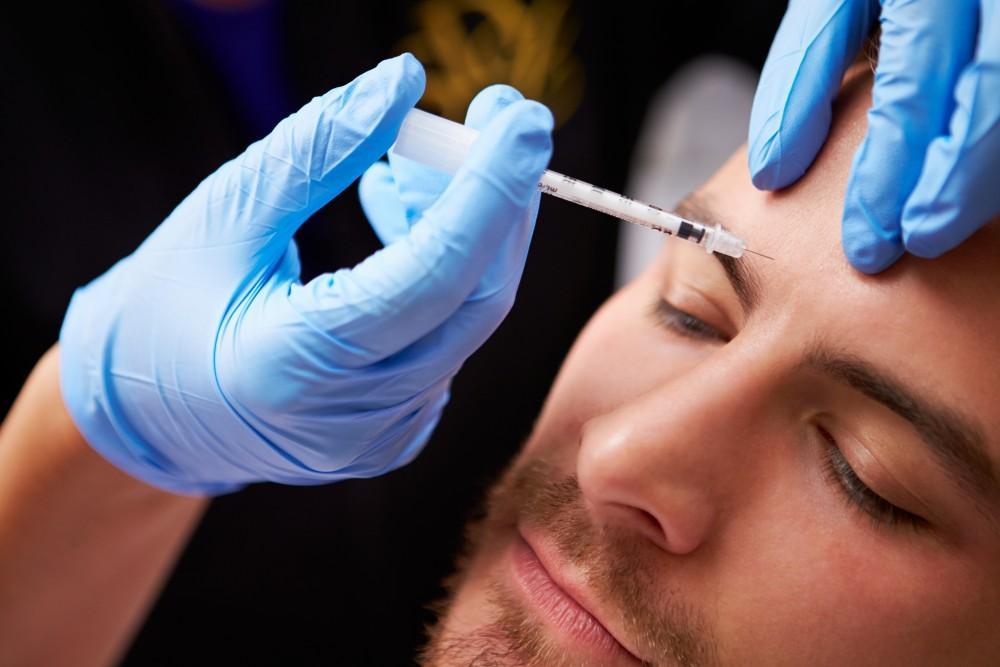
The ASAP team is pleased to offer Botox treatment to chronic migraine sufferers and see them blossom without the constant worry of when the next migraine will hit. Treatment is comfortable and quick. You simply visit our office for several shots about every three months, and these keep the migraines — and all their agonizing symptoms — at bay.
We customize the location of your injections to where you experience pain the most, and patients typically start noticing a difference about two to three weeks following treatment.
Don’t suffer another day with a debilitating migraine. Schedule an appointment with us at Advanced Spine and Pain or book one through our website. You deserve to get on the road to recovery.
]]>