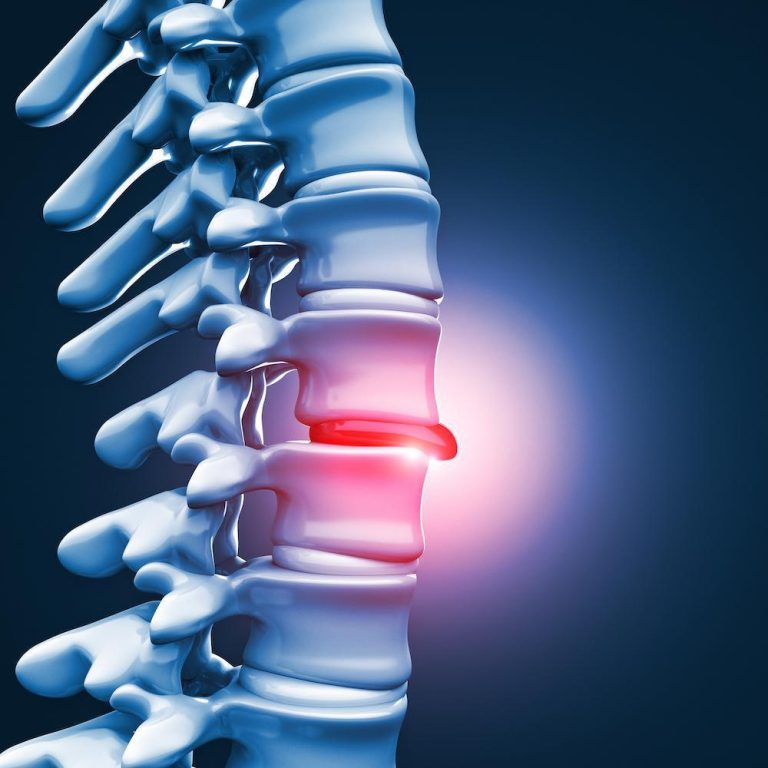

Chronic pain can make living a normal life next to impossible, especially if you’ve been suffering for a very long time with pain that’s severe. Whether you’re dealing with pain related to a chronic condition or an injury, sustained discomfort like this makes your mood plummet and lowers your overall quality of life.
The caring team at Advanced Spine and Pain (ASAP) not only delivers state-of-the-art treatment, they do so with focus and compassion.
Each patient is an individual at ASAP, and we devote the proper time and attention to you so we can learn about everything that factored into you seeking treatment with us, including your family medical history, your personal medical history, and your unique pain narrative.
The pain pump: A viable option for many
Pain pumps do miraculous work. Technically, they are intrathecal drug delivery implant systems, and when one is placed by your surgeon, it delivers a precise amount of pain medication directly into your cerebrospinal fluid through a catheter. This fluid that surrounds your spine is filled with pain receptors, so that’s a key to the pain pump’s effectiveness.
A pain pump can be beneficial for patients who have tried other treatments — from oral pain medications to epidural steroid injections — to no avail.
What situations call for a pain pump?
Pain pumps can help patients with many types of issues. These include degenerative conditions, like osteoarthritis; pain stemming from cancer; diseases of the nervous system, such as multiple sclerosis; and nerve injuries related to medical conditions, autoimmune diseases, and accidents.
A source of chronic pain for many people is severe pain after unsuccessful back surgery. Pain pumps are successful at helping with this type of pain, too.
Why seek pain pump treatment from us?
We have extensive experience administering and monitoring pain pumps since ours is the sole practice in both Maryland and Virginia that offers pain pump treatment. In order to deliver this treatment, we undergo rigorous specialized training to ensure your comfort and safety and the treatment’s effectiveness.
Getting a pain pump means that you need to go through a trial period to see if it’s been placed correctly and that it’s going to work properly.
The preparation phase before your trial involves cutting your current pain medications in half.
For your trial, we place your pain pump with a very small needle with the help of an X-ray image. The procedure is brief — just about half-an-hour. You then go home, and, over a period of several days, your medication is delivered via the pump, and you see if it addresses your pain successfully.
During the trial period, the goal is for you to feel relief very quickly.
If things go well, you have a minor outpatient procedure where we implant your pain pump for the long-term.
Learn more about pain pumps and whether you might be a candidate for one by scheduling a consultation with us. Call the Advanced Spine and Pain office closest to you or request an appointment online.
]]>